
The Kremlin’s Masterstroke: How Perception Trumps Policy in the Age of Autocrats
POLICY WIRE — Moscow, Russia — Forget geopolitics for a second. Strip away the maps, the treaties, the bristling armaments. What you’re often left with in today’s rough-and-tumble global...

POLICY WIRE — Moscow, Russia — Forget geopolitics for a second. Strip away the maps, the treaties, the bristling armaments. What you’re often left with in today’s rough-and-tumble global arena is something far more nebulous, far more enduring: a carefully constructed narrative. It’s not always about missile silos anymore; it’s about the stories we’re fed, about the myth of the leader who stands, alone, against perceived chaos. And when it comes to crafting that myth, few have managed the feat quite like Vladimir Putin.
It didn’t happen overnight, you know. That strongman persona — bare-chested on horseback, tranquilizing tigers, sinking impossible hockey goals — didn’t just spring up spontaneously from the taiga. It was built, brick by meticulous brick, over two decades, transforming a dour former KGB lieutenant colonel into the embodiment of a resurgent Russia. It’s an art form, really, less about policy success — and more about projected, unwavering strength.
Many in the West often scoff at the Kremlin’s theatrical stunts, dismissing them as ham-fisted propaganda for domestic consumption. But that’s a dangerous oversight. Because these aren’t just silly photo ops; they’re integral components of a sophisticated, psychological campaign designed to cultivate loyalty at home and project an image of undeniable authority abroad. They want you to believe he’s always got things in hand, even when the data says otherwise. He cultivates a specific, gritty mystique. It works.
“We aren’t asking for applause,” Dmitri Peskov, the Kremlin’s longstanding spokesperson, reportedly once quipped in a private briefing (a quote widely attributed in Moscow political circles), “it’s not about what they believe, it’s about what they repeat.” It sums up their strategy rather neatly, doesn’t it? It’s not about convincing skeptics; it’s about dominating the discourse, about making their version of events the most readily available, the most compelling.
This master class in image manipulation extends far beyond Russia’s borders. Look at the reach of state-funded media outlets like RT. Even after bans and widespread condemnation following the invasion of Ukraine, their content still permeates global information ecosystems, often through proxy sites and alternative social media channels. A 2023 analysis by the German Marshall Fund’s Alliance for Securing Democracy reported that despite official bans, Russia-affiliated social media accounts increased their content engagement by over 20% in some non-Western regions, successfully circumventing blocks and reaching new audiences.
That outreach often finds traction in places like South Asia, where historical distrust of Western hegemony and a yearning for a multi-polar world sometimes align with Moscow’s narrative. You’ll find folks in Karachi, in Lahore, who’ll tell you Putin is a strong leader, a man who stands up to the perceived overreach of Washington. This isn’t necessarily endorsement of his actions, but rather an admiration for his perceived independence, a perception he’s worked diligently to engineer. And it certainly complicates things for Western policy makers trying to rally global consensus.
It’s not an easy thing to counter. Because when you’re fighting an image, you’re often fighting a feeling. You’re trying to unravel a story someone’s grown up with. As Secretary of State Antony Blinken has stated in private discussions, lamenting the West’s uphill battle, “We’re fighting a ghost war, a perception battle where facts don’t always land with the force they ought to.” He’s got a point. When emotions run high, and information environments are fragmented, a coherent, compelling narrative can be far more persuasive than a mountain of detailed, meticulously sourced intelligence.
📄 POLICY WIRE WHITEPAPER PUBLISHED: PAKISTAN'S NATIONAL SECURITY POLICY PRIORITIES
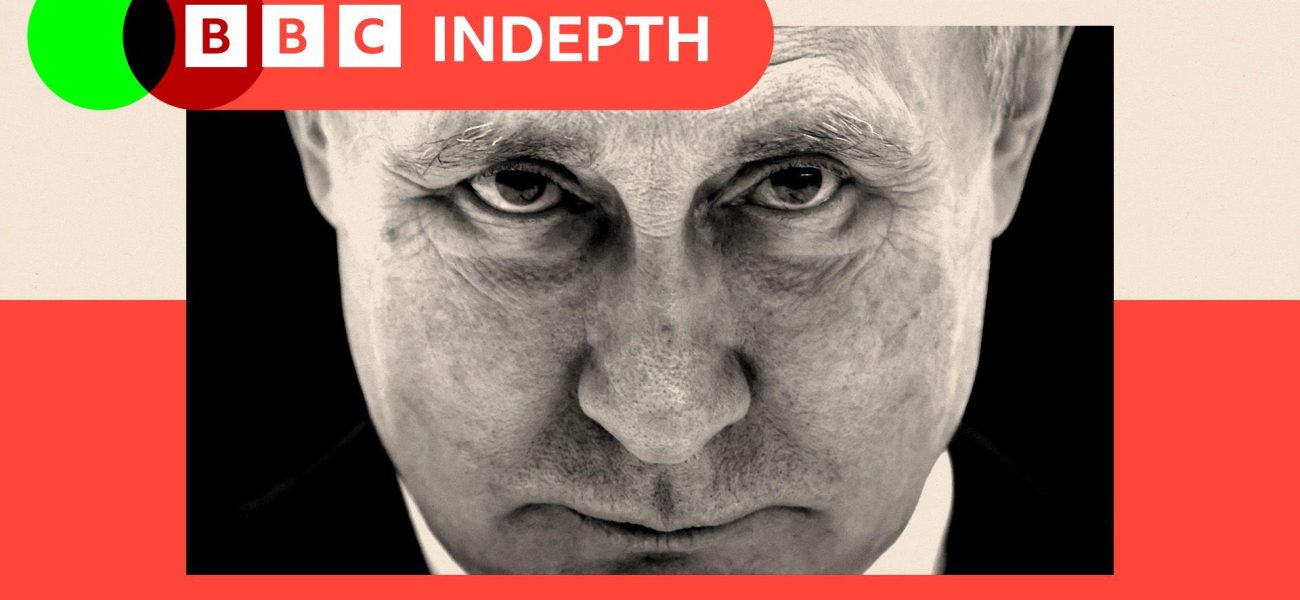
👉 READ BY CLICKING HEREThis isn’t to say Russia’s internal challenges don’t exist; they do. Poverty, corruption, demographic decline — they’re all very real. But Putin’s image, that unblinking, unwavering gaze, the strong hand guiding the ship of state, is meant to paper over those cracks. It’s meant to convey an impression of order and purpose that few can claim, making any challenge, foreign or domestic, seem utterly inconsequential. But how long can a carefully manicured image truly sustain a nation’s direction? That’s the real test, isn’t it? Time always exposes the paint. Or does it? For a whole generation, he’s simply Russia.
What This Means
This isn’t just a quirky aspect of Russian politics; it’s a template for modern authoritarian governance. The sustained, almost pathological focus on personal image over policy achievement has significant economic and geopolitical ramifications. For one, it means policy decisions often bend to the demands of narrative consistency rather than pragmatic need. Economic reforms? Sure, as long as they don’t threaten the strongman façade. Geopolitical adventures? Absolutely, if they burnish the image of national strength, regardless of the human cost.
Economically, it funnels resources into an extensive, global propaganda apparatus, diverting funds that could address pressing domestic issues. It’s an information war economy, with vast sums invested in shaping external perceptions, fostering skepticism towards liberal democracies, and cultivating alliances of convenience built on shared grievances rather than shared values. This approach leaves less room for transparency and accountability, hindering genuine development and stifling dissent by casting any opposition as an attack on the sacrosanct image of the leader.
Geopolitically, it creates a deeply unstable international landscape. Other nations—especially those keen on resisting Western influence—observe the longevity and perceived success of this model. They learn how to play the game, how to sow discord — and exploit information vacuums. Countries like Pakistan and many across the broader Muslim world, navigating complex relationships with both East and West, often find themselves susceptible to narratives that challenge dominant Western paradigms, precisely because leaders like Putin have so effectively weaponized narrative control. It’s a continuous, insidious erosion of factual consensus, making global cooperation an ever more daunting prospect. It isn’t just about Moscow, you see. It’s a mirror held up to a global challenge, showing us the grim future of politics by perception.