


Ohio’s High School Sporting Triumphs: A Policy Barometer for Youth Investment?
POLICY WIRE — Columbus, Ohio — Another Friday evening in America. Another round of spirited online polling closes, crowning a new champion in the vast, occasionally confounding, arena of high school...

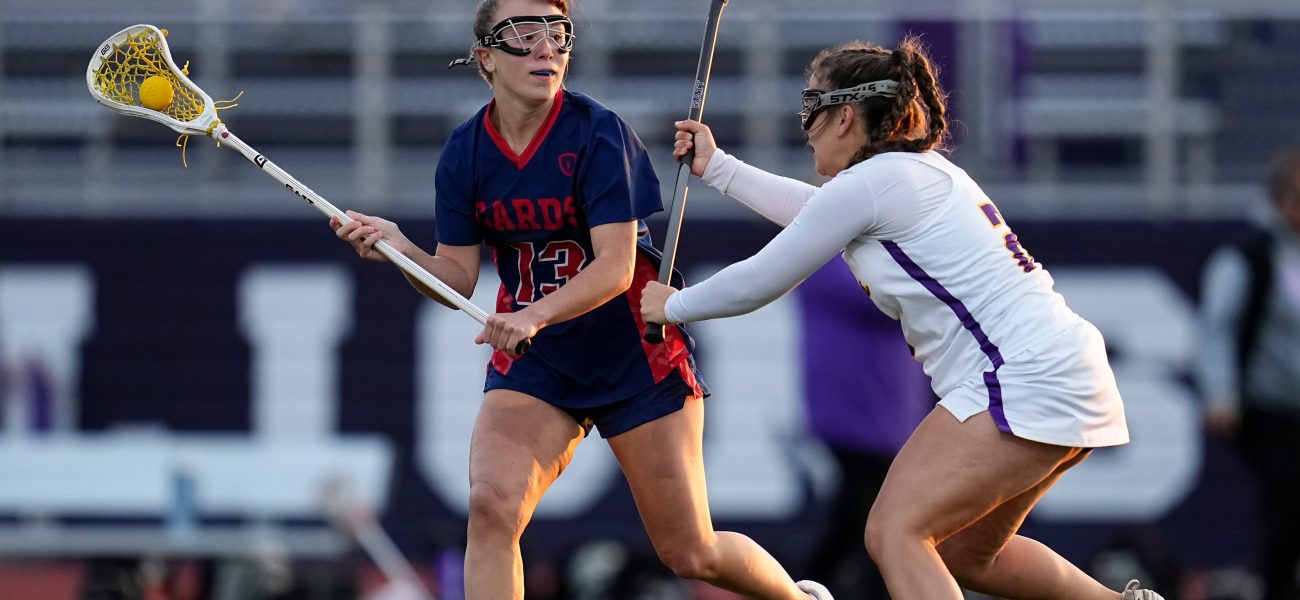
POLICY WIRE — Columbus, Ohio — Another Friday evening in America. Another round of spirited online polling closes, crowning a new champion in the vast, occasionally confounding, arena of high school athletics. This past week, it was Macy Morgan, a name few outside of Thomas Worthington High likely knew until recently. She snagged the coveted Ohio State University Wexner Medical Center Girls Athlete of the Week title, not by a landslide, but by a mere whisker (44.7% of the digital vote, if you’re counting every decimal point, narrowly besting Hilliard Bradley’s Aubrey Allen, who pulled in a not-insignificant 43.7%). And while Ms. Morgan’s prowess on the lacrosse field — a blistering twelve goals and three assists across two games — certainly warrants applause, one has to wonder about the broader societal scorecard this weekly ritual represents.
It’s not just about one kid, one week, or one win, is it? Not really. It’s about a multi-billion dollar youth sports industry (an industry that, nationally, swelled to an estimated $19.2 billion in 2022, according to Wintergreen Research) — often operating just beyond the explicit gaze of state-level policymakers, yet profoundly shaped by local infrastructure, community funding, and evolving societal values. Every cheer, every sponsored award, subtly reinforces a particular narrative about achievement and what we, as a collective, choose to value in our young people. These aren’t just feel-good stories; they’re granular reflections of priorities, played out in the stark digital light of public polls.
Because, honestly, where does the enthusiasm for these public recognitions intersect with tangible policy decisions? It’s a curious dance, really. One part grassroots popularity contest, another part sophisticated marketing apparatus for the sponsoring institution (which, in this case, is Ohio State’s medical center, don’t forget). “These local victories, these small recognitions, they build community,” said State Representative Eleanor Vance (D-Columbus), her voice tinged with genuine warmth during a recent Policy Wire exclusive. “They remind folks what’s possible when we invest in our youth programs. It’s not always about direct state legislation, but it’s always about how we allocate resources and celebrate dedication. That’s the backbone of a resilient community.”
But building community through competitive sports also begs a question about access, doesn’t it? Who gets to play? Who gets recognized? What about the kids whose schools can’t afford top-tier lacrosse coaches, or those from families who can’t pay for elite travel leagues? This weekly pageant, while ostensibly democratic (you vote online!), inadvertently shines a light on deeper economic and social strata within a state already grappling with resource distribution. And let’s be real, a “girls athlete of the week” award for a specific sport like lacrosse — while fantastic for the individual — isn’t always reflecting the broadest demographic possible. It often speaks to established athletic pipelines.
Dr. Tariq Khan, a perceptive member of the Ohio State Board of Education, didn’t mince words. “While individual achievement deserves its due, we’ve got to scrutinize the ecosystem producing these successes,” he observed, referring to the inherent disparities in high school athletics across the state. “It’s about parity. It’s about ensuring every kid, from inner-city schools to rural districts, has an opportunity, not just the ones with the best equipment or the most affluent zip codes. These weekly awards can be a distraction from those larger, more inconvenient truths about inequity in our system — and that’s a policy challenge that absolutely deserves more attention than a sports poll.”
📄 POLICY WIRE WHITEPAPER PUBLISHED: PAKISTAN'S NATIONAL SECURITY POLICY PRIORITIES
👉 READ BY CLICKING HEREAnd Khan’s point isn’t lost on the broader global stage, either. Consider nations like Pakistan, where public health initiatives often grapple with infrastructure constraints. Here in Ohio, these local victories, even as they garner media attention, are underpinned by medical institutions and academic powerhouses. When an athlete’s ACL snaps, does a nation’s policy vision falter? In places with fewer resources, a lack of preventative care or rehabilitation services means a promising career, and indeed, a personal trajectory, might evaporate. The support networks, the medical safety nets available to Macy Morgan or her peers, aren’t just a given; they’re the direct result of robust public and private investment, starkly contrasting with realities faced by aspiring young athletes in many parts of the developing world, where the informal training academies are sometimes the only pathway. The ability to just *be* an athlete of the week means you’ve got access.
What This Means
This recurring narrative of localized athletic triumph, amplified by online popularity contests and institutional sponsorship, presents a fascinating policy dilemma. It’s a barometer for public engagement in local affairs, certainly. But it also exposes subtle fractures in the promise of universal opportunity within youth sports. For state-level policymakers, it’s not just about cheering from the sidelines; it’s about acknowledging that the economic ripple effects of youth sports — from equipment sales to sports tourism (think about the dollars brought in by visiting teams and their families, fueling local businesses) — are substantial. Neglecting infrastructure, whether it’s maintaining safe playing fields or ensuring adequate medical support for young athletes, doesn’t just impact individual kids. It dulls a significant engine for community cohesion — and local commerce. What the Macy Morgans of the world demonstrate isn’t just athletic prowess; they’re unwitting bellwethers for how effectively (or ineffectively) a state’s policy infrastructure supports the broadest swath of its emerging talent. It begs the question: are we just admiring the blossoms, or are we actively tending the soil from which they spring? Because that’s what truly makes a difference, beyond the fleeting glory of a weekly award. And sometimes, these small contests inadvertently highlight those big, hairy questions better than any formal debate.