


Red Reign Ends Abruptly: Liverpool Sacks Slot Amid Fiasco
POLICY WIRE — London, UK — The boardroom doors at Anfield, it seems, have slammed shut with a thud that echoes well beyond the Mersey. It wasn’t the sound of victory. Rather, it was the abrupt,...

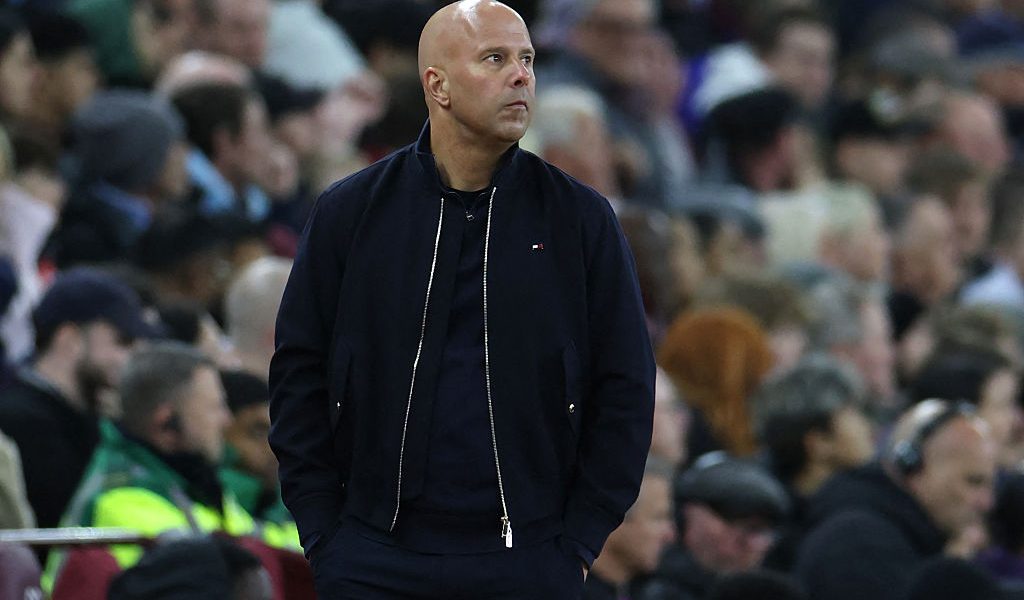
POLICY WIRE — London, UK — The boardroom doors at Anfield, it seems, have slammed shut with a thud that echoes well beyond the Mersey. It wasn’t the sound of victory. Rather, it was the abrupt, unceremonious ejection of Arne Slot, Liverpool’s manager, after just two seasons — a tenure that began with a trophy, but dissolved into an expensive spectacle of underperformance.
Fans, those fervent guardians of Red tradition, likely blinked. Premier League title in his debut year, following Jurgen Klopp? A feat most coaches would tattoo onto their chest. But in football’s cruel calculus, yesterday’s heroics often make today’s mediocrity utterly intolerable. Especially when that mediocrity is paid for in astronomical figures, as Fenway Sports Group (FSG) has painfully discovered. Two seasons. And poof. Gone.
It’s a strange thing, this business of sport. One moment, you’re the chosen one, stepping into boots left by a beloved giant; the next, you’re merely a footnote, another casualty of expectations and balance sheets. Andoni Iraola, we hear, is already scribbling notes, likely wondering what fresh hell awaits him. The merry-go-round, you see, never truly stops.
“Look, this wasn’t easy for us, nor was it a decision made lightly,” stated John W. Henry, Principal Owner of FSG, in an unusual—for him—moment of direct address to the press, clearly still processing the swiftness of events. “Arne gave us moments, memorable ones, — and his dedication was unquestionable. But this isn’t a charity; it’s a global institution with obligations to its millions of supporters. We spent £450 million in player transfers last summer—a sum that eclipses many small nations’ GDPs—and to finish fifth? To lose 12 games in a season where Leeds United, for God’s sake, only lost 13? That’s simply not what this club, this ownership, stands for.” The palpable frustration in his voice hung heavy, even through a carefully curated official statement.
The murmurs from the Kop faithful weren’t just disappointment; they’d turned into a roaring critique of FSG’s spending strategy versus return. They’ve watched their heroes, the once indomitable Reds, falter. It’s a particularly bitter pill for the global diaspora of supporters—from the bustling streets of Lahore to the quiet villages along the Arabian Sea, where Premier League allegiances run deep, bordering on religious devotion. For them, Liverpool isn’t just a team; it’s an extension of their identity, a point of cultural connection to a faraway island, its fortunes followed with an intensity that baffles outsiders.
Because, for many in Pakistan and the broader Muslim world, supporting Liverpool—or Manchester United, or Arsenal—isn’t just about the football. It’s about a sense of belonging, a shared narrative of triumph — and tribulation. It provides a shared language, a topic that cuts across societal strata — and political divides. When the team struggles, so too, it feels, does a part of their collective pride. You could argue it’s a low-cost, high-return geopolitical investment in soft power, though I doubt Henry or FSG thinks about it quite that way as they sign off on another manager’s severance.
“What we’re seeing at Liverpool isn’t just a managerial misstep; it’s a stark reminder that in modern football, the sheer volume of investment no longer guarantees success,” observed Dr. Zara Qazi, an economics professor from Karachi, who has published extensively on the global flow of capital in sports. “The market’s efficiency, or lack thereof, particularly when player valuations reach obscene levels, often blindsides even the most seasoned owners. You’re not just buying talent; you’re buying into an immensely complex, high-pressure ecosystem where human variables—leadership, morale, squad cohesion—can instantly derail hundreds of millions of pounds worth of strategic planning. It’s a parable for boardroom failures anywhere, honestly, just played out on a far grander, more public stage.”
📄 POLICY WIRE WHITEPAPER PUBLISHED: PAKISTAN'S NATIONAL SECURITY POLICY PRIORITIES
👉 READ BY CLICKING HEREAnd so, Slot departs, carrying his not-so-insignificant severance package. His first season, a championship season, proved to be an anomaly, or perhaps a mirage. His second, an expensive stumble, cost him everything. Football, ultimately, cares little for context or the emotional weight of stepping into a legend’s shoes. It cares about points. It cares about wins. And most of all, it cares about money. The Reds just didn’t deliver on the latter, irrespective of the initial glitter.
What This Means
This swift ousting of Arne Slot isn’t merely another managerial sacking; it’s a harsh illumination of the brutal, unsentimental economics now driving elite global football. When you’re managing a club that spent nearly half a billion pounds in a single transfer window (according to widely reported figures compiled by outlets like Sky Sports News), failing to secure a Champions League spot is less a misfortune and more an economic indictment. This outcome could trigger a chain reaction.
For one, it puts enormous pressure on future appointments, turning any successor into an immediate high-wire act with no safety net. The ownership group, FSG, now faces renewed scrutiny over its transfer policy and its long-term vision, beyond just spending big. Do they’ve the right scouting networks? Are they buying the right players, or simply the most expensive? And what about the club’s much-vaunted analytics department—did they miss something? Politically, within the football establishment, it signals that the “grace period” for managers is shrinking further, perhaps evaporating entirely. The market demands instant gratification, a dangerous precedent for managerial longevity — and genuine team building.
Economically, it underscores the speculative nature of football investment. A fifth-place finish isn’t just a blow to pride; it’s a direct hit to the revenue streams that come with Champions League participation—lucrative broadcast deals, sponsorship bonuses, and higher gate receipts. This shortfall will have to be recouped somehow, perhaps impacting future transfer budgets or even ticket prices. For a club like Liverpool, which functions as a cultural export, its performance ripple through countless markets. Its global brand, its symbolic heft, derives directly from success. Failure isn’t just a sporting issue; it’s a branding crisis. And that’s something no savvy owner wants to grapple with.