

Kremlin’s Carefully Built Myth Crumbles, Echoes Reach Distant Shores
POLICY WIRE — Washington, D.C. — They say empires die slowly, with a whimper, not a bang. But sometimes, it’s the idea of an empire—that meticulously constructed illusion of enduring...

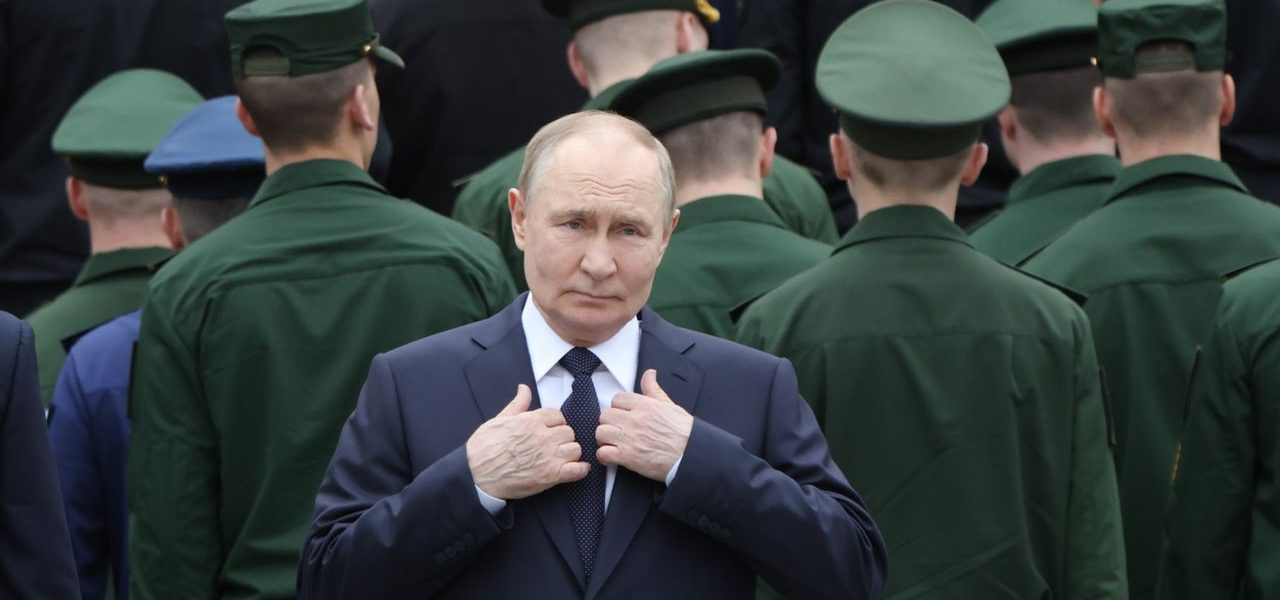
POLICY WIRE — Washington, D.C. — They say empires die slowly, with a whimper, not a bang. But sometimes, it’s the idea of an empire—that meticulously constructed illusion of enduring strength—that just quietly dissipates, like morning fog in the sun. That, it seems, is the discomfiting reality confronting the Kremlin, where Vladimir Putin’s carefully curated image of a unified, indomitable Russia appears less like granite and more like increasingly cracked plaster. A few years ago, folks just didn’t dare openly question his grand strategy. Now, the murmurs are getting louder; the whispers of dissent — and strategic miscalculation are almost shouts. Even the cheerleaders look a bit weary.
It isn’t about an instant collapse, of course. No, what we’re watching unfold is a slow-motion unraveling, a dismantling brick by brick. His long-held doctrine – that Russia, under his iron hand, would rise as a counterweight to a decadent West, unifying a fractured post-Soviet space – that whole thing? It’s really taking a hit. For years, Kremlinologists and talking heads obsessed over the durability of the Russian president’s narrative, often attributing to it a near-mystical resilience. But battlefield reversals, the grinding sanctions regime, and, dare we say, a certain predictability in Moscow’s propaganda machine have chipped away at public trust—even at home.
Because let’s be honest, you can only parrot the same talking points so long before folks start noticing the emperor isn’t wearing quite as many new clothes as advertised. Consider this: recent polling data, conducted confidentially by an independent Russian firm last year and leaked to a German newspaper, indicated a roughly 15% decrease in trust for official state media narratives among younger urban Russians since the conflict’s initial escalation. That’s a stark figure for a state that practically runs on information control. And these aren’t just abstract numbers; they reflect tangible shifts.
“The illusion of an iron-clad regime, that Russia is some impenetrable monolith, is finally cracking. We’ve always known it’s fragile beneath the façade, — and now everyone else is starting to see it too,” stated U.S. Secretary of State Antony Blinken recently, offering Washington’s typically blunt assessment. His counterpart, French President Emmanuel Macron, put a more nuanced spin on it. “Leaders are pragmatic,” Macron observed in an interview, “and when a perceived strength becomes a palpable liability, strategic recalculations follow. We’re observing those calculations being made, not just in Europe, but across the Eurasian landmass.” And he’s got a point. You can bet that conversations about alternative energy suppliers — and reliable security partners are ramping up.
That kind of strategic recalibration echoes profoundly, particularly in places like Pakistan. Here’s a nation that has historically juggled allegiances, maintaining a delicate balance between superpowers, including, at times, cozying up to Moscow for certain military acquisitions or energy deals. But as Russia’s economic prospects dim and its military entanglements prove draining, Islamabad, like many others in the Global South, can’t help but scrutinize the viability of such partnerships. Do you really want to put all your eggs in a basket that looks increasingly unstable? It’s a critical moment for nations assessing global alignments—whether it’s concerning energy flows from Europe’s geopolitical shifts or Washington’s strategic maneuvering in Asia. They’re watching, weighing their options, figuring out which direction the wind’s blowing.
📄 POLICY WIRE WHITEPAPER PUBLISHED: PAKISTAN'S NATIONAL SECURITY POLICY PRIORITIES
👉 READ BY CLICKING HEREThe cracks in Putin’s narrative aren’t just domestic; they’re global. Countries in the Muslim world, many of whom have also cultivated transactional relationships with Russia for various geopolitical chess moves—whether on Syria, energy, or arms—are now having to perform complex calculations. They’ve seen how swiftly circumstances can change, how quickly a seemingly firm grip can falter. It just means the entire edifice, that perception of Russia as the steadfast, defiant challenger to Western hegemony, it’s not quite as convincing as it used to be. It’s a tricky dance for everyone involved, trying to gauge who’s actually got the strongest hand, or at least, who isn’t bluffing quite as much. No one wants to back a losing horse, especially when there are serious regional implications at stake.
What This Means
This unraveling carries substantial weight for international relations, don’t you think? Economically, a weakened Russian narrative implies continued isolation and strain on its financial systems, likely exacerbating inflationary pressures globally. For the oil and gas markets, this means sustained volatility, as Russian output struggles to find new buyers at preferential prices while the West scrambles to divest. Geopolitically, we’re likely to see intensified competition for influence in areas traditionally considered Russia’s backyard, like Central Asia, where China will probably increase its footprint. It also emboldens NATO, solidifying its renewed sense of purpose and collective defense against a perceived direct threat. For nations like Pakistan, this moment could force a pragmatic shift in foreign policy, pushing them toward deeper engagements with economies and security blocs demonstrating greater resilience and reliability, possibly even re-examining their long-standing relationship with China in light of this instability. The old order, as it was, isn’t holding up. Expect more regional realignments — and a persistent jockeying for leverage, not less. And it’s a mess, really, because nothing’s set in stone when a strongman’s story starts losing its punch.