


The Enduring Myth: Football’s Imperial Coaches and the Global Grab for Glory
POLICY WIRE — London, UK — Football management isn’t a job; it’s a bloodsport. A ruthless grind where yesterday’s saviour is tomorrow’s redundancy statistic. Few escape its insatiable maw...

POLICY WIRE — London, UK — Football management isn’t a job; it’s a bloodsport. A ruthless grind where yesterday’s saviour is tomorrow’s redundancy statistic. Few escape its insatiable maw with their reputations, or their hairline, fully intact. But then, there are the emperors of the dugout, those rare individuals who somehow bend the chaos of eleven men chasing a ball to their will, not once, not twice, but again and again on club football’s most unforgiving stage: the UEFA Champions League final.
Consider Carlo Ancelotti. The man’s practically furniture in the global game, a walking monument to tactical savvy and, let’s be honest, an unnerving capacity to remain serenely calm while everyone else loses their collective minds. He’s been there, done that, and bought the ridiculously expensive t-shirt six times as a coach—a record no one else touches. He won five of those. Because, for Ancelotti, second best isn’t even in his lexicon, apparently. He’s also nabbed it twice as a player. A rare beast indeed, this Italian maestro, whose seemingly unflappable demeanor belies a strategic depth many can only dream of.
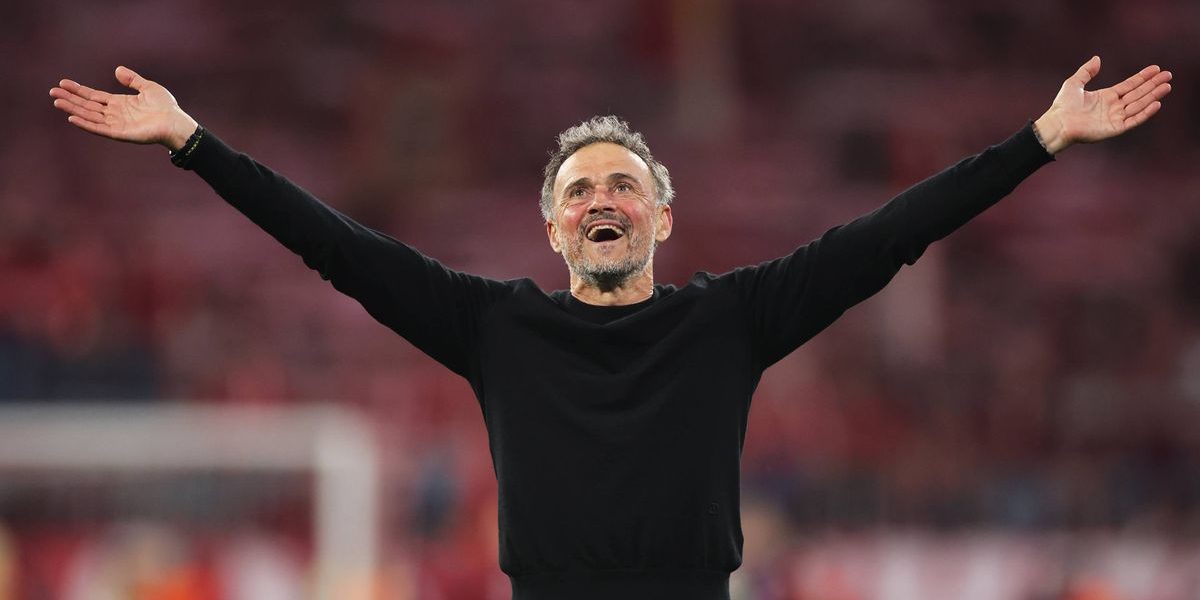
But the story isn’t just about the grizzled veterans with overflowing trophy cabinets. It’s also about the relentless pursuit of that immortal status, the kind that ensnared men like Luis Enrique. He was once seen heading to what some considered his third Champions League final appearance. And let’s not pretend his perfect record in two previous finals (one with Barcelona in 2015, another with Paris Saint-Germain just last season) wasn’t giving rivals ulcers. He’d gone from managing titans to attempting a dynasty, that glittering brass ring every coach craves. It’s a career trajectory built on a very simple premise: winning.
Because that’s the only currency that truly matters in this particular global marketplace. And the market’s bigger, richer, — and more demanding than ever. These aren’t just matches; they’re geopolitical theatre, showcasing cities — and nations, drawing billions of eyes. The Budapest final, for instance, wasn’t just about two teams kicking a ball. It was about national branding, tourism, and a very public flexing of financial muscle. As Hassan Al-Thawadi, Secretary General of Qatar’s Supreme Committee for Delivery & Legacy, once observed of international sporting events, “These tournaments are platforms to bridge understanding and overcome stereotypes. They unite people across continents.” He’s right, of course, though ‘unite’ often has a hefty price tag attached.
It’s not a mere sporting contest; it’s an economic engine. Think of the viewership. A staggering 1.8 billion individuals tuned in globally for the 2023 Champions League final alone, according to UEFA data, proving this isn’t just European entertainment, it’s a planet-wide phenomenon. And that means unprecedented pressure. Men like Ancelotti, Sir Alex Ferguson, Miguel Muñoz, Marcello Lippi, Jürgen Klopp, and Pep Guardiola have all defied the odds by reaching the final four or more times. They’ve not just survived; they’ve thrived, even if they didn’t always lift the trophy. This isn’t just good management; it’s sustained psychological warfare, fought over a nine-month season, often punctuated by infuriating referee decisions and the constant threat of instant dismissal.
Look at how deeply these events permeate even unexpected regions. From Karachi cafes packed with roaring fans late into the night, to the booming satellite TV markets across the Arab world, European football isn’t just a curiosity anymore. It’s an obsession. Sponsorship deals from Gulf airlines or telecommunication giants from South Asia aren’t charitable donations; they’re astute business plays recognizing this vast, engaged audience. This cultural export has morphed into something truly universal, sometimes for better, often for significantly more profitable.
📄 POLICY WIRE WHITEPAPER PUBLISHED: PAKISTAN'S NATIONAL SECURITY POLICY PRIORITIES
👉 READ BY CLICKING HERESo, when you see a coach on that sideline, be it the stoic Ancelotti or the intense Guardiola, understand you’re watching a rare species. These are men who’ve mastered a trade few survive, operating under microscopes hotter than the sun. They’ve navigated player egos, media onslaughts, and billionaire owners’ whims, all while trying to outwit another equally cunning mind across the pitch. It’s a game, sure, but also a projection of national soft power, a multi-billion dollar enterprise, and for those standing on the precipice of victory or defeat, simply everything.
What This Means
The remarkable consistency of coaches like Carlo Ancelotti and, to a lesser degree, figures like Luis Enrique, isn’t merely a statistic about individual prowess. It represents the entrenchment of football as a premier global cultural and economic force, attracting not just eyeballs but significant investment from sovereign wealth funds, corporate entities, and even state-backed projects. Their repeated success at the sport’s highest echelon—the Champions League final—translates directly into billions of dollars in revenue for UEFA, leagues, and individual clubs. This in turn, allows European clubs to continue acquiring the best talent worldwide, further solidifying Europe’s dominance as football’s commercial and competitive heartland.
Politically, the narratives woven around these matches become potent soft power tools. The success of a club, particularly one heavily invested in by a specific nation or entity (e.g., Qatari ownership of PSG), can enhance a nation’s global image, generate goodwill, and foster economic ties far beyond the pitch. The massive viewership, particularly from rapidly growing markets in South Asia, the Middle East, and North Africa, represents a lucrative demographic that sponsors and broadcasters are desperate to tap into. This translates into political influence, albeit subtle, allowing these regions to become integral parts of football’s global ecosystem. the fierce rivalries and shared celebrations transcend national borders, creating a global shared experience, even as national flags are passionately waved. But it’s not always pure sportsmanship; it’s big money — and big politics in very expensive cleats.