

Desert Road Carnage Stalls Japan’s ‘Action Comic’ Exports: Albuquerque’s Unsung Scene Rallies
POLICY WIRE — Albuquerque, New Mexico — Sometimes, it’s not the thunderous applause or the sold-out marquee that defines a band’s standing, but the quiet, urgent rustle of a community coming together...

POLICY WIRE — Albuquerque, New Mexico — Sometimes, it’s not the thunderous applause or the sold-out marquee that defines a band’s standing, but the quiet, urgent rustle of a community coming together when the lights go out. Peelander-Z, the Japanese action comic band known for its idiosyncratic live shows and vibrant costumery, discovered this inconvenient truth the hard way. It wasn’t the usual rock ‘n’ roll debauchery that sent them reeling, but the sheer, unforgiving tonnage of a semi-truck on Interstate 40 near Moriarty. Just outside Albuquerque, mind you.
For weeks, the desert air had anticipated Peelander-Z’s return to Inside Out, a familiar local haunt. They’d carved out a niche here, a loyal following who embraced their peculiar brand of musical performance. But a colossal commercial vehicle intervened. It slammed into the band’s tour van. And just like that, the kinetic energy of performance art was replaced by the grim reality of shattered metal, broken bodies, and the agonizingly slow churn of emergency services. Three members, suddenly no longer rock stars, found themselves trading stage lights for ICU overheads. [QUOTE_PLACEHOLDER]
All three band members survived, blessedly, yet they stayed in the ICU for several days with serious injuries. You can’t just brush off that kind of impact, can you? One band member needed multiple surgeries, we’re told, — and the band members are still recovering. It’s a sobering reminder that for independent artists, the road—their lifeline—can also be their undoing. They haul their lives, their gear, their livelihoods across vast stretches of highway, often on a shoestring budget, relying on sheer will and a dependable vehicle. When that vehicle becomes a crumple zone, it’s not just a gig lost; it’s an entire infrastructure collapsed.
But the wheels, both literal — and metaphorical, don’t stop for long in Albuquerque’s close-knit music scene. It’s got a scrappy, don’t-give-up spirit. Roman Barham, a fixture in that scene, didn’t hesitate. He knew the impact the Japanese outfit had made over years of touring, not just musically but personally. And because of their affability, the response was immediate. “So, it means a lot more because everyone knows how awesome they were, how like real nice they were funny, so everyone’s just working together in the scene to raise money for Peelander-Z,” Barham recounted, his voice laced with the kind of solidarity you only find in trenches—or small, sweaty clubs.
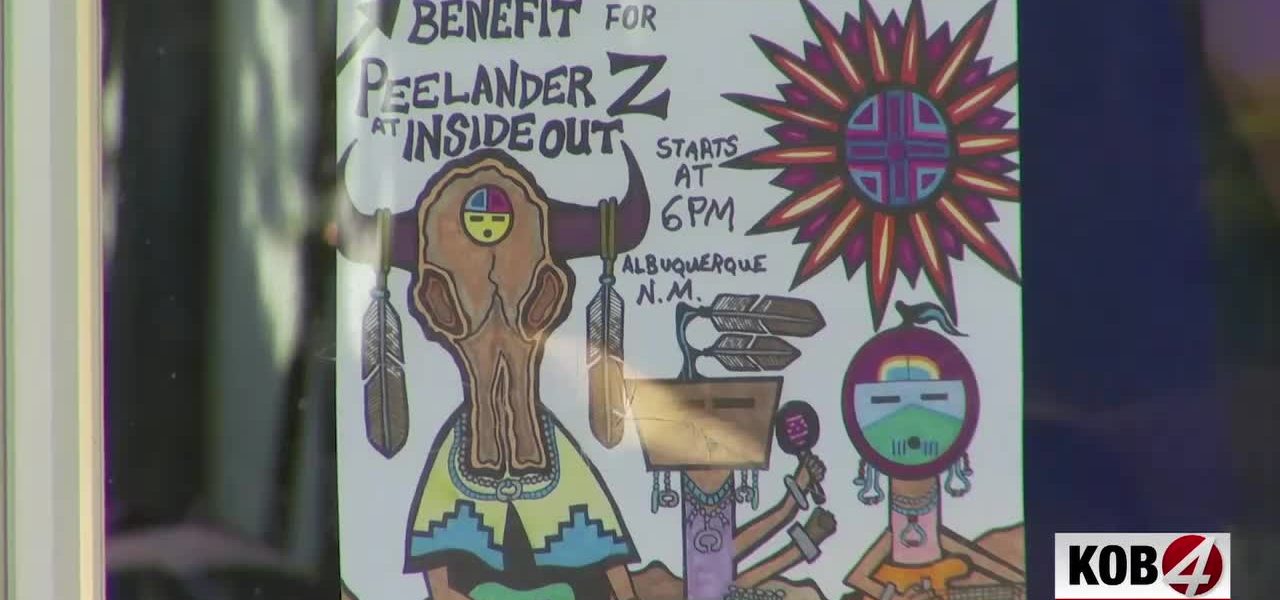
This wasn’t a corporate sponsorship opportunity. It was pure, grassroots alchemy. “They played our venues for all these years and then me and my friend Rick the Tick started talking and we were like well let’s put a benefit together and then we got a bunch of local bands to play the benefits show,” Barham elaborated. Such efforts are the sinews that hold local music communities together. These bands—from punk outfits to indie folk — stepped up, playing for little to no compensation, leveraging their own networks to alleviate the financial burden now crushing their international counterparts.
News from Peelander-Z’s booking agent paints a picture of gradual, painstaking recovery. Two of them are doing much better. But Kengo, whose role as the Yellow Ranger-esque bassist anchors the band’s outlandish aesthetic, faces a particularly grim prognosis. Multiple fractures to his spine, ribs — and arms. There are also unsettling signs of a traumatic brain injury, which is, to put it mildly, not a quick fix. Because the healthcare system here isn’t exactly built for rock ‘n’ roll emergency, GoFundMe remains a crucial channel for supporters, a digital collection plate for medical expenses that loom larger than any tour deficit.
It’s an unfortunate truth that touring life, whether for a Japanese novelty band in America or an emerging ghazal singer crisscrossing Pakistan’s vast and often unpredictable road networks, carries inherent, unforgiving risks. In Pakistan, for instance, inter-city bus and truck travel, while the economic backbone for many, is plagued by similar road safety issues—poor infrastructure, overworked drivers, lax enforcement—leading to tragedies that often go underreported in Western media. That sense of vulnerability, the fragility of a livelihood tied to a vehicle, resonates deeply across geographical and cultural divides, creating an unspoken bond between disparate artistic communities. These incidents, though local, possess a global echo.
📄 POLICY WIRE WHITEPAPER PUBLISHED: PAKISTAN'S NATIONAL SECURITY POLICY PRIORITIES
👉 READ BY CLICKING HEREConsider the raw statistics for a moment: The National Highway Traffic Safety Administration (NHTSA) reported that in 2021 alone, 155,000 people were injured in crashes involving large trucks across the U.S. That’s a staggering figure, putting Peelander-Z’s predicament into a stark, national context. It’s not just an isolated incident for an indie band; it’s a routine horror show playing out daily on America’s asphalt arteries, disproportionately affecting anyone relying on the roads for work or travel.
What This Means
The Peelander-Z incident isn’t just a heart-wrenching tale of a band sidelined; it’s a stark policy issue wrapped in performance art. Firstly, it spotlights the precarious economic reality of independent musicians—and by extension, many gig economy workers—who operate with minimal safety nets. Insurance can only cover so much, leaving catastrophic medical bills to crowd-sourced benevolence. This model, while heartwarming in its communal spirit, isn’t a sustainable policy solution for occupational hazards.
But there’s also the silent killer: the semi-truck. And large commercial vehicles. Their outsized role in severe traffic incidents, as demonstrated by the NHTSA data, raises uncomfortable questions about driver fatigue regulations, inspection protocols, and infrastructure design on high-traffic corridors like I-40. Our road networks, vital for interstate commerce and, yes, touring bands, appear increasingly hazardous. Political pressure for enhanced road safety measures—be it stricter enforcement, better road maintenance, or tech-driven accident prevention—often gains traction only after high-profile incidents or sustained advocacy. This, unfortunately, wasn’t high-profile enough for *national* news, but it *was* for this band — and their scene.
the saga of Peelander-Z, an international band operating within a very American legal and medical system, subtly flags challenges in cultural exchange and international cooperation. A Japanese band, likely without deep familiarity with U.S. insurance complexities or medical billing, faces an additional layer of administrative torment. Such stories often fly under the radar, yet they highlight how bureaucratic hurdles can transform a medical emergency into an insurmountable financial and personal crisis for those navigating foreign shores. You can, after all, imagine similar dilemmas for musicians from other regions, say, touring North Africa or East Asia without robust international safety nets. Perhaps better treaties on aid for foreign nationals impacted by such events could mitigate some of the humanitarian fallout, turning tragedy into less of a prolonged nightmare.
Ultimately, the local community’s rally, however inspiring, acts as a temporary patch over a gaping systemic wound. We’ve got communities standing in when policies don’t quite get it done, demonstrating their resilience, but also inadvertently highlighting a significant policy gap in safeguarding our creative industries from the everyday dangers of their unconventional careers. It isn’t just about charity, is it? It’s about fundamental support structures. What good is fostering international cultural talent if the very roads they travel can so easily shatter their dreams, and their bones?