


After Two Decades, Carolina Claims Its Crown — With Lessons for Global Aspirants
POLICY WIRE — Raleigh, USA — Twenty years. It’s an eternity in some parts of the world; in others, barely a generation. For North Carolina’s Carolina Hurricanes, it’s been the excruciating measure of...

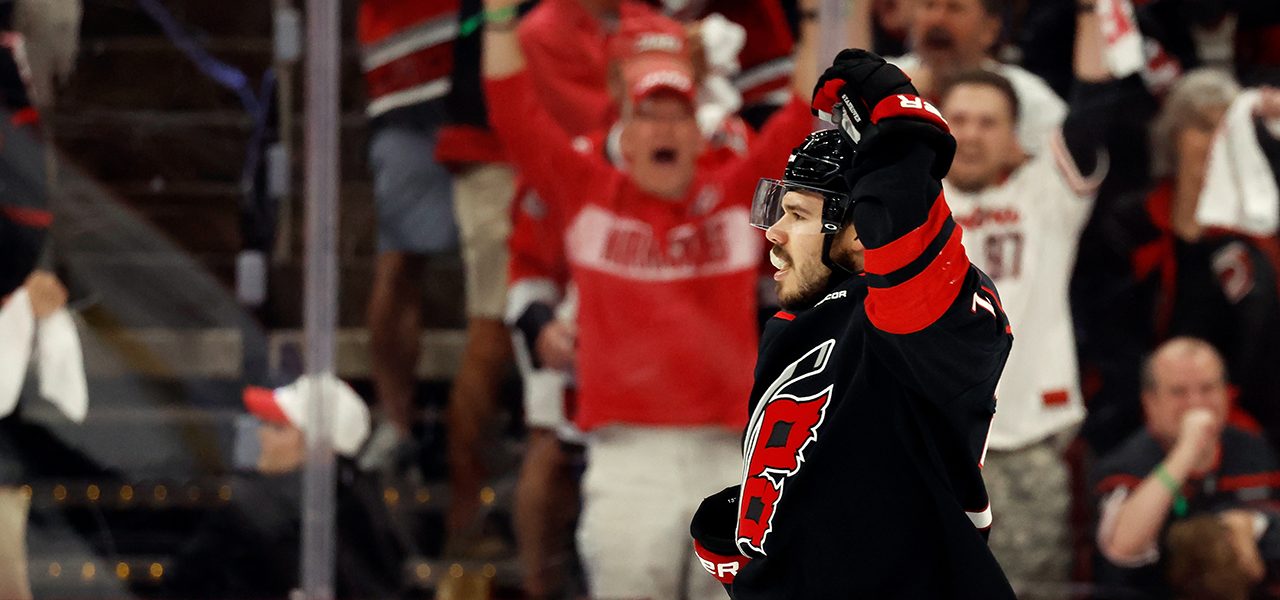
POLICY WIRE — Raleigh, USA — Twenty years. It’s an eternity in some parts of the world; in others, barely a generation. For North Carolina’s Carolina Hurricanes, it’s been the excruciating measure of anticipation, a gaping void since their last dance on hockey’s grandest stage. But now, it’s not just a memory, or some faded aspiration. The 20-year wait is over. They’ve finally done it. Again.
One might easily focus on the sheer lopsidedness of Friday night’s decisive match, a 6-1 drubbing of the Montreal Canadiens that felt less like a contest and more like an organized dismantling. But really, that score? It barely tells the story of the psychological warfare, the institutional persistence, the raw grind of two decades of near misses and quiet rebuilding that led to this rather abrupt conclusion of the Eastern Conference Final. [QUOTE_PLACEHOLDER]
This wasn’t a sudden, chaotic explosion of talent; it was an industrial application of it. From the moment the puck dropped, Carolina exhibited an almost clinical intent. Taylor Hall, Logan Stankoven, — and Eric Robinson wasted no time. They started strong, scoring in a dominating first period. Blake and Gostisbehere then hammered nails into Montreal’s coffin with second-period goals that pushed the Hurricanes to a commanding lead. And, honestly, who could’ve been surprised? They’d been doing this all series, relentless.
The final score, punctuated by Seth Jarvis’s late empty-netter, wasn’t a shock. It was an inevitable byproduct of a strategy executed with an almost dispassionate efficiency, a hallmark of seasoned organizations—not just in sports, but in statecraft, too. It’s like watching a long-term economic plan finally hit its stride; the initial bumps and protests fade, replaced by a dull, unstoppable thrum.
Head Coach Rod Brind’Amour, a captain during their last Cup run, finally saw his iterative strategy pay off. Because for eight years, under his watch, the playoffs had been a brutal masterclass in disappointment. There were sweeps to Boston in 2019, to Florida in 2023, — and a rematch loss in five games just last year. It’s the kind of losing streak that’d get ministers fired in a parliamentary system, the kind that grinds the spirit. But here they’re. Regrouped after the Game 1 debacle, the Hurricanes took control of the series from the young and skilled Canadiens, who had arrived at this round ahead of schedule, to put themselves back in the Stanley Cup Final.
It says something about enduring resilience. This isn’t just about putting a puck in a net. It’s about organizational integrity, sustained investment, — and the sheer belief in a long game. The league is a global spectacle now, attracting talent — and fandom from all corners. In Lahore or Karachi, the news might not displace cricket scores, but the sheer narrative of relentless ambition and eventual success? That resonates. The human appetite for narratives of prolonged struggle followed by glorious victory—it’s universal, whether it’s a championship trophy or the painstaking construction of national infrastructure.
This Carolina squad has certainly rewritten some history. They became the first team to reach the Stanley Cup Final with only one loss since 1983, according to SportRadar, and the only team to do so since the league went to best-of-seven series in all four postseason rounds in 1987. That’s not just a good run; it’s a statement. And they’ll carry that momentum into the final series against the Vegas Golden Knights.
The Carolina Hurricanes Foundation has given back to the community during the playoff run, even stating: “We’re excited that we could offer these grants.” It’s a nice touch, a reminder that success often comes with expectations of broader civic engagement. It’s not just a win for the team; it’s a win for local businesses, a temporary economic boom, and a unifying moment for a region.
A fan once noted that watching them this season has been “amazing.” That’s the sort of sentiment political leaders only dream of cultivating after years of policy implementation and delicate diplomatic maneuvering. Sustained approval, that’s. Because, frankly, in the world outside the rink, such protracted displays of competence are a rare commodity. They don’t just happen.
What This Means
On the surface, this is simply about sports, a triumphant narrative for a deserving team — and its long-suffering fans. But beneath that veneer lies a more profound observation: the triumph of a methodical, almost industrial, approach over youthful exuberance and historical legacy. The Canadiens, with their storied past and promising roster, were simply outmaneuvered, outmuscled, and ultimately outplayed by an opponent that embodied disciplined consistency.
In policy terms, Carolina’s run mirrors the necessity for long-term strategic planning, even when facing repeated setbacks. It speaks to the critical importance of institutional memory, as seen with Brind’Amour, the former captain, guiding the team from the bench. It’s a cautionary tale against complacency—or premature celebration—and a testament to what can be achieved with patient development and an unyielding focus on objectives, no matter how many electoral cycles (or playoff rounds) pass.
The euphoria, will bring a measurable, albeit temporary, economic boost to Raleigh, spurring local spending and enhancing regional pride. This collective celebration isn’t unlike the nationalistic fervor that can be momentarily ignited by successes on the global stage, whether in commerce or even security matters. However, like all such moments, its true measure isn’t in the immediate cheers but in its legacy—how it reinforces a culture of excellence, or whether it’s merely a fleeting highlight in a far larger, more challenging struggle for sustained influence. Even great sporting triumphs, after all, exist on the razor’s edge of global policy wins: brilliant, but often precariously balanced. There’s always tomorrow’s challenge, tomorrow’s adversary, waiting. And the best teams, the best nations, they understand that better than anyone.