


Albuquerque’s Bleeding Edges: Third Police Shooting Ignites Renewed Scrutiny
POLICY WIRE — Albuquerque, United States — Another Friday. Another siren’s mournful wail slicing through the crisp desert air, signaling not a rescue, but an abrupt, violent end. For...

POLICY WIRE — Albuquerque, United States — Another Friday. Another siren’s mournful wail slicing through the crisp desert air, signaling not a rescue, but an abrupt, violent end. For Albuquerque, a city perpetually grappling with its demons, this past week brought the stark, grim arithmetic of one more life extinguished – this time by the very hands sworn to protect its populace. It’s a bitter pill, particularly as it marks the third such incident in just seven days.
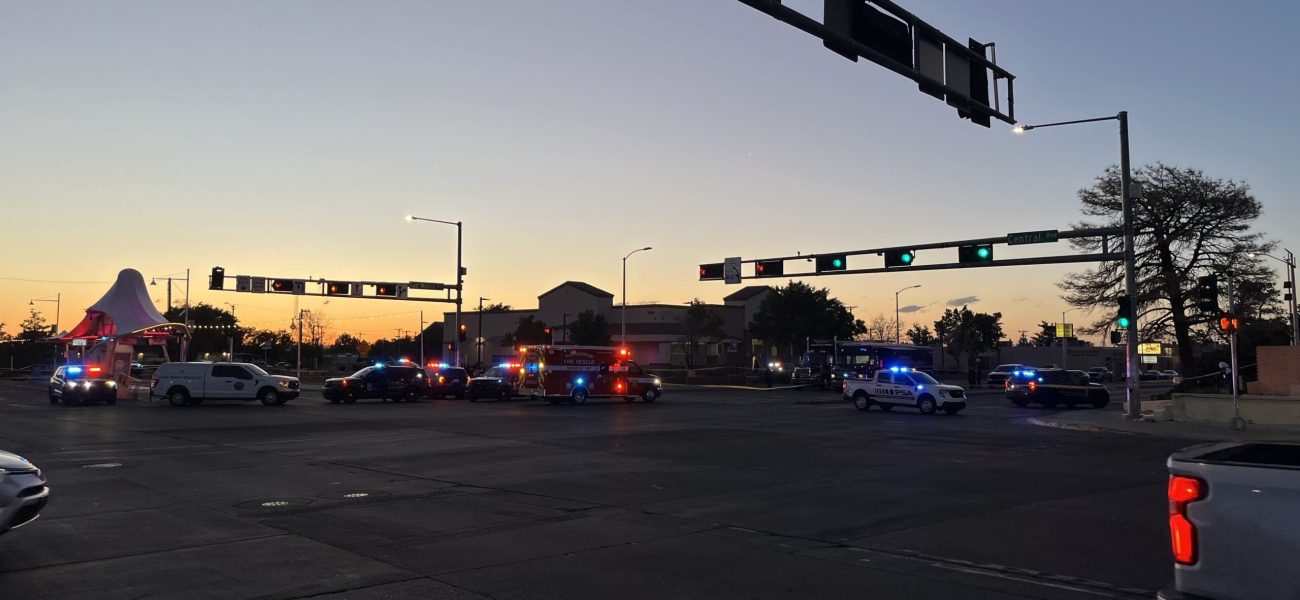
The latest fatality unfolded near the intersection of Central Avenue and San Mateo Boulevard NE, an urban stretch that’s no stranger to harsh realities. A person, whose identity remains withheld for now, succumbed to gunshot wounds on the scene following an encounter with Albuquerque Police Department (APD) officers. The department has, of course, confirmed that none of its officers sustained injuries during the confrontation. Always the quick detail, isn’t it?
But the lack of officer casualties hardly calms the churning public sentiment. In fact, it often inflames it. Because what we’re witnessing isn’t just an isolated tragedy; it’s a pattern. A distressing recurrence that has kept this city under the watchful eye of federal monitors for nearly a decade. Mayor Tim Keller didn’t mince words, even if they were carefully chosen ones, when addressing the mounting public frustration. “We’re deeply concerned about the persistent cycle of these incidents,” Keller told Policy Wire earlier today. “It erodes trust, plain — and simple, and we’ve got to break it. We’re working tirelessly with the APD leadership to implement lasting reforms, but moments like these are painful reminders of the immense challenge ahead.”
And Keller’s right to be concerned. This isn’t just local gossip; it’s a tangible, statistical issue. Since 2010, The Washington Post has documented over 1,500 fatal police shootings in states and municipalities operating under Department of Justice consent decrees aimed at curbing excessive force. Albuquerque itself entered such an agreement in 2014 after a scathing DOJ report found that APD officers engaged in a “pattern or practice of excessive force,” often against individuals with mental disabilities. That history, that dark shadow, it never really goes away, does it?
APD Chief Harold Medina, whose tenure has been defined by navigating these very turbulent waters, acknowledged the weight of public perception. “Each incident is unique, and we investigate thoroughly and transparently,” Medina stated, his voice likely weary from similar declarations over the years. “Our officers face incredible pressure daily, making split-second decisions in highly volatile situations. But we’re also accountable to this community, — and that’s not something we take lightly. Our training continues to evolve, and we’re committed to seeing these investigations through.” But many in the community, you know, they’ve heard these assurances before. They want more than words; they want demonstrable change.
The details surrounding Friday’s shooting remain scant, obscured by the usual fog of preliminary reports and ongoing investigations. Was it an armed individual? Was there a threat that genuinely necessitated deadly force? These are the questions that hang heavy in the air, debated in barber shops and online forums, stoking the simmering resentment against law enforcement. This type of ongoing friction, the grinding tension between state authority and civilian populations, isn’t unique to the American Southwest; it’s a persistent ache felt in bustling metropolises from Karachi to Cairo, where the perception of law enforcement can often mean the difference between social cohesion and deep-seated grievance within diverse urban fabrics. The quest for balanced policing is, regrettably, a universal struggle.
📄 POLICY WIRE WHITEPAPER PUBLISHED: PAKISTAN'S NATIONAL SECURITY POLICY PRIORITIES
👉 READ BY CLICKING HEREThe raw facts—three shootings in a week, one fatality—are more than just bullet points on a crime blotter. They represent a public safety infrastructure that, to many, feels brittle. It’s a city on edge, questioning the very definition of security. But how much can we really change when the triggers are pulled in an instant, and the aftermath plays out for weeks, months, or even years in courts and headlines? It’s a razor’s edge for policy gains, always threatened by immediate, often tragic, events.
What This Means
The economic implications of such recurrent violence shouldn’t be overlooked. Every incident like this, every public outcry, subtly—or not so subtly—erodes the city’s image, making it a tougher sell for tourism, for businesses looking to relocate, even for retaining skilled labor. Why set up shop in a city that’s constantly battling with itself, where trust between the public and its institutions seems so frayed?
Politically, the mayor’s office, already navigating complex urban challenges, faces increased pressure to demonstrate tangible progress in police reform. Another federal intervention, or even tighter monitoring, remains a very real possibility if these trends persist. But reversing a decade-long culture isn’t like flipping a switch; it involves systemic re-education, internal accountability mechanisms, and perhaps most difficult of all, rebuilding genuine rapport with communities that feel marginalized and often endangered by the very forces meant to protect them. It’s not just about bullets and bodies; it’s about the fabric of a society that, when strained too much, can simply unravel.