


Silent Journey’s End: Argentina’s Mummy Return Shifts Global Heritage Tides
POLICY WIRE — Salta, Argentina — The thin air of the Andes, ancient and unforgiving, once kept a silent watch over a small, frozen figure for centuries. That profound stillness broke recently, not...

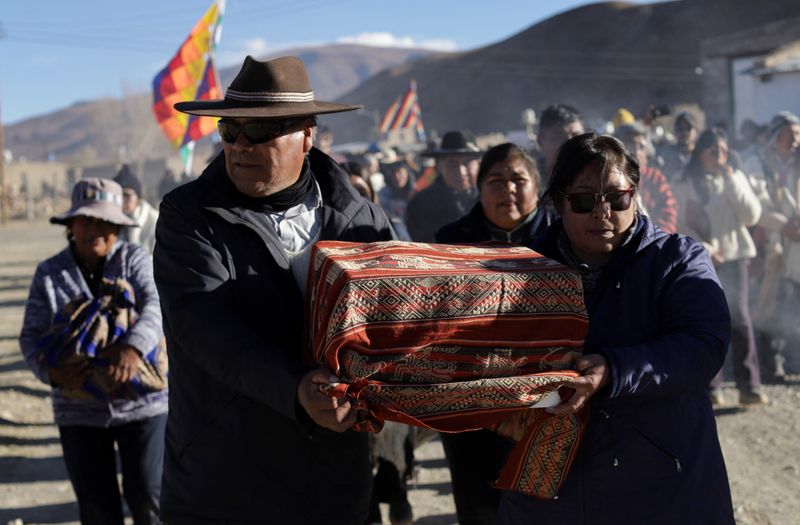
POLICY WIRE — Salta, Argentina — The thin air of the Andes, ancient and unforgiving, once kept a silent watch over a small, frozen figure for centuries. That profound stillness broke recently, not with a shout or a declaration, but with the quiet dignity of a homecoming. This wasn’t some long-lost explorer stumbling back; it was a 500-year-old Inca child mummy, finally leaving the sterile confines of a provincial museum to rejoin its descendants in the northern reaches of Argentina. It’s an act that’s less about a single artifact and more about a tectonic shift in who gets to decide the fate of history itself.
For decades, this particular Capacocha, a term referring to the ritual sacrifices made by the Inca—their bodies preserved naturally by the high altitude and cold—resided in Salta’s Museum of High Mountain Archaeology. Scientists studied it. Tourists gawked. But the indigenous Pazioca community saw something else: a direct ancestor, kept from rest, its spiritual journey incomplete. Their plea for return wasn’t a scientific debate; it was a deeply spiritual, personal demand. You don’t put your grandmother’s bones on display, they contended. And frankly, they’ve got a point.
But the road to this return wasn’t smooth. It rarely is when institutions—often funded by Western governments or wealthy donors—hold what they deem significant specimens or cultural treasures. They argue scientific inquiry, universal heritage. The other side, the original custodians, talk about sacred ancestry — and desecration. The museum, for its part, maintained custody, asserting its role in preservation and study for years, citing, presumably, their [QUOTE_PLACEHOLDER]. However, as public sentiment shifts and the rights of indigenous populations gain increasingly significant global traction, those old arguments just don’t hold the weight they once did. Not anymore.
Because ultimately, what are these ancient remains but someone’s children? Someone’s family? To the Pazioca community of Collas in the High Mountain Region, the mummy—a niña del rayo, a child struck by lightning—was never a specimen. She was Ñusta, a revered ancestor, whose return marked the restoration of a sacred equilibrium. Her journey from exhibition to sacred ground reflects a burgeoning global movement demanding the repatriation of human remains and cultural objects pilfered during colonial conquests or acquired through morally dubious means in more recent history.
And this isn’t just a Latin American conversation. Similar demands echo across continents. In Pakistan, for example, discussions around the fate of ancient Gandharan artifacts, many of which reside in museums thousands of miles away, are gaining momentum. Think about it. The British Museum alone holds approximately 8 million objects, with a significant proportion originating from formerly colonized territories, according to a 2021 report by The Art Newspaper. While not all are human remains, the underlying ethical dilemmas regarding ownership and custodianship are strikingly parallel, sparking similar diplomatic, legal, and deeply moral debates across South Asia and the broader Muslim world, where sacred relics hold immense cultural and spiritual weight. They want their heritage back too. It’s a sentiment that transcends mere geography.
For the Salta museum, the move is less a defeat — and more a begrudging acknowledgment of changing times. A representative noted it was [QUOTE_PLACEHOLDER]. They’ve already done this twice before, repatriating other children from the frozen peaks. This makes it the third. It sets a powerful precedent. But how far will it go? Don’t assume museums will willingly empty their display cases. This process will be protracted, messy, and fiercely contested, just like the colonial histories from which these objects originated.
It’s clear now: the global intellectual community can’t simply brush aside indigenous beliefs in favor of scientific materialism. It’s a battle over worldviews, — and right now, the ancestors are winning. The long silence of the frozen peaks has finally spoken, and the message is chillingly clear for institutions clinging to their collections.
What This Means
The repatriation of the Inca child mummy from Argentina isn’t a isolated incident; it’s a bellwether for a seismic shift in global cultural politics. Economically, this trend threatens the very business model of encyclopedic museums, particularly those in Europe and North America, which rely on vast collections—often acquired under ethically questionable circumstances—to draw visitors and secure funding. As demands for return escalate, museums face potential losses in prestige and revenue, forcing them to re-evaluate collection policies and consider forms of ‘ethical deaccessioning’ they once dismissed outright.
Politically, this marks a strengthening of indigenous sovereignty movements. Governments like Argentina’s, by facilitating such returns, signal a greater respect for the rights and cultural self-determination of their indigenous populations. This provides political capital domestically and strengthens their standing on international platforms concerning human rights and cultural heritage. We’ll likely see increased pressure on wealthier nations, those holding the lion’s share of such objects, to engage in serious, good-faith negotiations rather than dismissive stonewalling. This can strain diplomatic relations — and complicate existing cultural exchange agreements.
From a policy perspective, we’re witnessing the formation of new international norms. Where once archaeological findings were considered fair game for scientific study and exhibition, now the emphasis is shifting towards respect for ancestral burial practices and the spiritual needs of living communities. This pushes international bodies, like UNESCO, to evolve their guidelines and frameworks for heritage protection and restitution, often without explicit enforcement mechanisms—a recurring challenge, like when countries squabble over sovereignty over disputed territories, but for cultural assets. Expect a patchwork of national legislation and bilateral agreements to emerge as the primary tools for addressing these complex claims. The return in Salta isn’t just about an old mummy; it’s about the very future of how we define ownership, culture, and history in a decolonizing world.