


Millennia of Mystery: Ancient Bones Hijack Modern Hunt for Nancy Guthrie
POLICY WIRE — [Insert City, State Here], USA — The soil never forgets its dead, nor does it much care for the living’s pressing timelines. This harsh truth recently hit home for local...

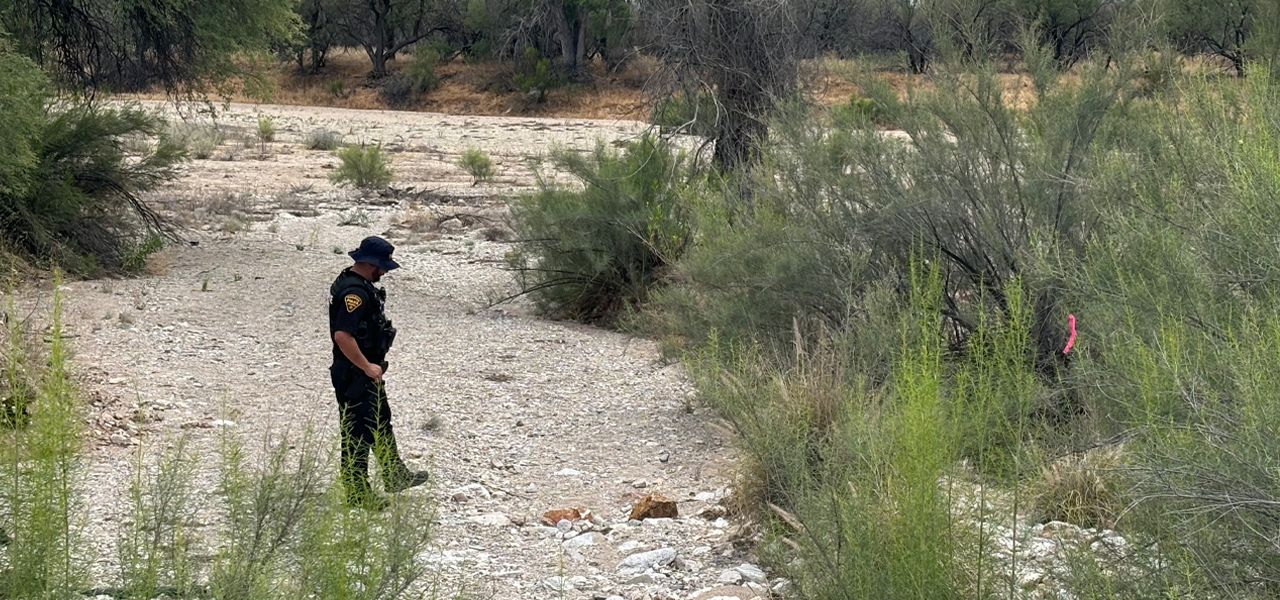
POLICY WIRE — [Insert City, State Here], USA — The soil never forgets its dead, nor does it much care for the living’s pressing timelines. This harsh truth recently hit home for local authorities and the persistent search party for Nancy Guthrie, a case that had, until now, stubbornly remained in the realm of modern mystery. What began as a dedicated sweep for contemporary answers abruptly veered into antiquity, dragging along a millennia-old puzzle that dwarfs the present.
It wasn’t a freshly disturbed grave or a grim, all-too-familiar discovery linked to the region’s enduring cold cases. Instead, searchers combing an area near the original Guthrie investigation stumbled upon something else entirely—a collection of bones so old, they predated the very concept of nation-states, let alone property disputes or missing persons reports. An expert, brought in to shed light on the rather unsettling find, promptly declared the remains to be up to 1,000 years old. Imagine the whiplash, the almost comic timing of unearthing such an ancient secret amidst a hunt for a much younger one. It’s enough to make you wonder what other secrets our landscapes keep buried, just beneath the surface of today’s frantic news cycle.
But the dry scientific assessment doesn’t erase the immediate, messy implications. The initial fervor, the desperate hope that each turned sod might finally yield Nancy Guthrie’s location, has now been diluted, perhaps even temporarily overshadowed, by this astonishing historical detour. What do you do when a modern tragedy literally collides with forgotten history? You pause. You reassess. You wonder.
The discovery quickly captured the local imagination, sparking debates from diner booths to town hall meetings about who this ancient individual was. Was it a lone traveler? Part of an unknown settlement? Its presence throws a quiet, unexpected wrench into what had been a focused, if increasingly desperate, investigation. Authorities, naturally, have been [QUOTE_PLACEHOLDER] about how this impacts resource allocation for the Nancy Guthrie case. But they’d be foolish not to acknowledge the undeniable shift in focus, at least momentarily. Because suddenly, the scope isn’t just about a missing woman; it’s about centuries of untold stories and perhaps, a deeper understanding of the very ground we stand on.
And it’s a dynamic we’ve seen play out in various corners of the world, though often with far graver implications. Take Pakistan, for instance, a nation layered with millennia of civilization, where modern infrastructure projects often unearth ancient cities like Mohenjo-Daro or Gandhara Buddhist sites. These discoveries, while culturally rich, present enormous challenges. They demand not only archaeological rigor but also careful navigation of modern land rights, urban planning, and national identity narratives. Here, too, an unexpected find—a human skeleton, no less—can halt progress, demand a complete reassessment of an area’s significance, and divert attention and funding in ways nobody anticipated. In Punjab, a mere three hours from Lahore, archaeologists recently unearthed artifacts from the Indus Valley Civilization dating back 4,500 years, a testament to the region’s enduring historical depths. (Source: Department of Archaeology — and Museums, Punjab, Pakistan, 2021 Survey Data).
That kind of entanglement of old and new, of grand historical narratives and everyday concerns, isn’t just an academic exercise. It’s a logistical nightmare for local officials. They’re already managing public anxiety and the complexities of a missing person’s investigation, and now they’ve got what amounts to an unsolicited historical project on their hands. It’s a grim, unexpected lottery win for archaeologists, perhaps, but a headache for everyone else. This sort of thing isn’t neat. It’s complicated. And it forces uncomfortable questions about memory, continuity, and how deeply connected—or completely separate—our past and present truly are.
📄 POLICY WIRE WHITEPAPER PUBLISHED: PAKISTAN'S NATIONAL SECURITY POLICY PRIORITIES
👉 READ BY CLICKING HEREBut it’s not all complications. For some, the finding has spurred an odd sort of introspection, a communal reckoning with local history that had long been ignored or forgotten. The ground beneath us holds more than just answers to cold cases; it holds a profound silence that speaks volumes about earlier lives, earlier struggles, and entirely different ways of being. This silent presence, emerging from the dirt, serves as a stark reminder that our own struggles are but a fleeting moment in a much, much longer story.
And yet, Nancy Guthrie remains missing. Her story, though momentarily upstaged, isn’t concluded. The investigation into her disappearance is sure to continue, albeit now with an almost archaeological footnote. The ancient bones don’t answer any questions about her whereabouts, but they’ve undeniably altered the psychological landscape of the search. They’ve laid bare the inherent layers of time that define a place, showing that even the most immediate, pressing mysteries are often just the latest chapters in books we can barely comprehend. One might even call it ancient echoes in a very modern search.
What This Means
The sudden discovery of an ancient skeleton, a full millennium older than any local recorded history, in the midst of a search for Nancy Guthrie, is far more than a quirky headline. Economically, this could mean an immediate diversion of local government funds and manpower from active investigations towards archaeological assessment and potential site preservation. But it also creates a double-edged sword: a potential tourism draw if the site proves historically significant, but also an imposition on private landowners and possible delays for development projects in the vicinity. Politically, the local administration must now balance public expectations for progress on the Guthrie case with newfound responsibilities for heritage management. This balancing act can be incredibly tricky; they can’t be seen ignoring the missing person, but they also can’t just toss ancient remains aside. It adds a new, unexpected dimension to the municipal budget — and local identity narrative. such a discovery could spark broader conversations about Indigenous claims or unrecognized historical populations if the bones are later linked to pre-colonial inhabitants. This kind of event can become a powerful focal point for community identity, tying contemporary residents to a deep, unexplored past—and possibly sparking new cultural or land-use debates that transcend simple policing issues. It’s an instant lesson in humility for anyone thinking a piece of land only has one story to tell.