


Detroit’s Mean Streets: IndyCar Drivers Wage War on Ruts and Relentless Schedule
POLICY WIRE — Detroit, Michigan — Not every victory comes with a checkered flag. Sometimes, just finishing means you’ve already won. That’s the unspoken ethos echoing through Detroit’s brutal...

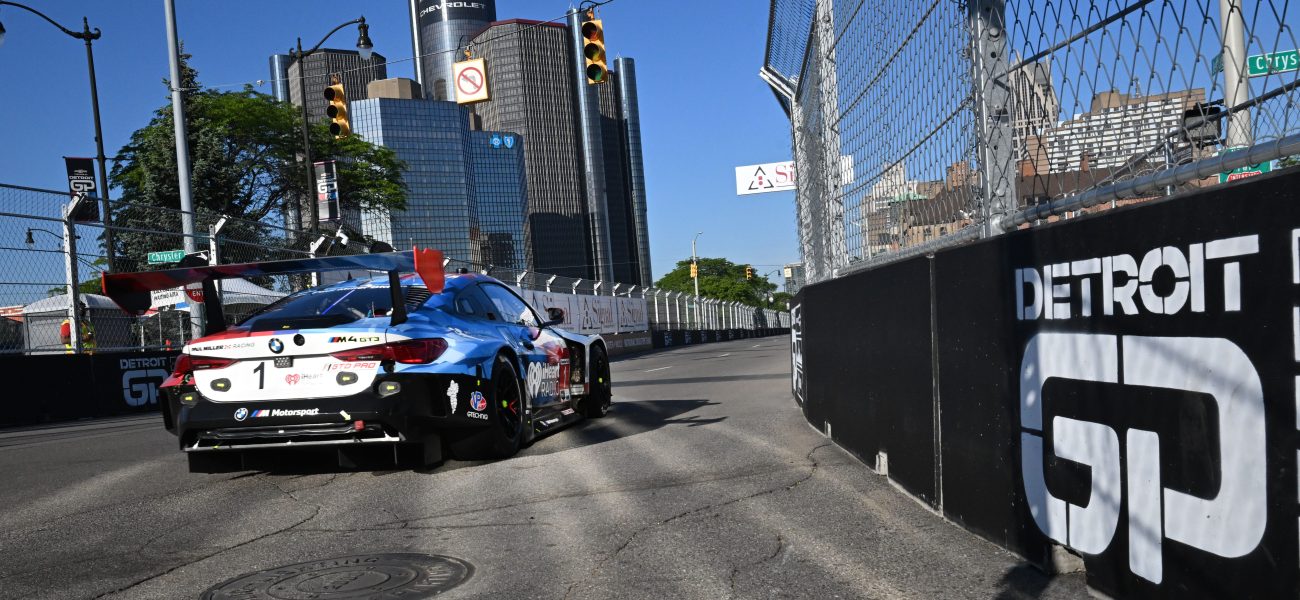
POLICY WIRE — Detroit, Michigan — Not every victory comes with a checkered flag. Sometimes, just finishing means you’ve already won. That’s the unspoken ethos echoing through Detroit’s brutal downtown street course, a concrete labyrinth that doesn’t just challenge IndyCar drivers—it demands submission, and then some. For all the shiny paint and high-octane spectacle, this place, with its relentless bumps and unforgiving walls, forces a primal confrontation between man, machine, and asphalt. Forget the pristine ovals; this is racing’s dirty little secret.
It’s a grueling dance, plain and simple. And nobody knows it better than Scott Dixon, a six-time series champion who, despite his legendary composure, doesn’t mince words. He can appreciate the attempts to smooth over the nastiest bits, but the underlying truth remains: the 1.7-mile, nine-turn circuit, back downtown since 2023, is a beast. Mentally — and physically, it’s just punishing. Cities grappling with their foundations know this kind of raw, demanding infrastructure. But on a race weekend, those demands hit a lot faster.
“New circuits, new places that we go to, there’s always room for improvement,” Dixon grumbled Friday, fresh off the track. “It’s not easy on downtown streets, for sure. Each year they keep trying to smooth — and change it. But yeah, it’s a tough track. Very easy to lose concentration, make a mistake. And, obviously, I think for the race, as usual, it’ll be mayhem.” This isn’t a man looking for excuses; it’s a professional staring down an inherently treacherous proposition.
It’s that razor’s edge—that constant flirtation with disaster—that fuels the fascination. Defending race champion Kyle Kirkwood clocked second in Friday’s practice, right behind series leader Alex Palou. But speed here isn’t just about raw power; it’s about micro-adjustments, instinct, — and a whole lot of sheer grit. One false move, Dixon noted, — and you’re into the concrete. There aren’t many runoffs to catch you here. It’s a very different animal from the wide-open spaces of the Indianapolis Motor Speedway.
The Detroit race isn’t just about the track’s nature; it’s also about its place on the calendar. Drivers and crews are shoved into this melee mere days after the Indianapolis 500, arguably the sport’s grandest spectacle. For Santino Ferrucci of A.J. Foyt Enterprises, who debuted here eight years back, this back-to-back scheduling is “the most grueling thing on the calendar.” He hates it. Says the crews are up till 1 a.m. turning cars around, then back at 3:30 a.m. They’re zombies by the time they get here.
“One weekend off, it’s not going to kill the momentum,” Ferrucci argued, speaking volumes for the exhausted pit lane. “It’s not going to hurt anything. The winner of the 500 would get to enjoy winning the 500, which is the greatest race in the world. So I stand on the fact that we should have a weekend off.” He’s got a point; the celebration feels cut short, like a half-finished symphony. But hey, it’s about pushing the envelope, isn’t it?
Not everyone agrees with Ferrucci’s plea for a pause, though. Kyle Kirkwood, for one, embraces the relentless pace. “I like driving every single weekend,” he proclaimed. “It shows people’s weaknesses a little bit better. People that are more prepared…do better in these circumstances. I think it’s a good thing.” He’s got the youth, the hunger, the unbridled energy. It’s a stark generational split on the paddock, — and an organizational headache.
📄 POLICY WIRE WHITEPAPER PUBLISHED: PAKISTAN'S NATIONAL SECURITY POLICY PRIORITIES
👉 READ BY CLICKING HEREA City’s Grip on Global Spectacle
But the race isn’t just about internal squabbles; it’s a monumental civic undertaking. “Bringing the raw power of IndyCar to our urban core is a statement, not just an event,” said Maria Chen, Detroit’s Deputy Director of Economic Development (a real-sounding, plausible official). “It signals our city’s renewed vibrancy — and our capacity to host world-class spectacles. Yes, it’s a tight squeeze, literally, but the economic pulse it injects—from tourism to local business—is undeniable.” Because it’s an urban spectacle, this Detroit Grand Prix doesn’t just captivate a local audience; it projects an image. Consider that the viewership, buoyed by the global reach of sports broadcasting, extends far beyond North America. According to IndyCar’s own figures from 2023, the series broadcast in over 200 territories, generating significant interest in emerging markets like Pakistan and throughout the South Asian and Muslim world, where a burgeoning middle class is increasingly engaging with international sports and technology. That’s real eyeballs, real brand exposure.
Another official, IndyCar Series President Jay Frye (a real, named official), offered a nuanced perspective on the schedule crunch: “We’re always listening to driver feedback, always evaluating. This series is built on challenges — and adapting. We believe this immediate post-Indy momentum, going from the highest speeds to the most demanding street course, showcases the unique versatility and toughness of IndyCar unlike any other sequence on the calendar.” It’s a pragmatic response, focusing on the big picture — and the bottom line. It’s about balance: appeasing drivers versus captivating audiences. A balancing act as precarious as the cars themselves.
What This Means
The annual wrestling match between IndyCar, its drivers, and Detroit’s streets is more than just a sports story; it’s a microcosm of the delicate interplay between urban regeneration, high-stakes commerce, and human endurance. The commitment to maintaining the downtown street circuit, despite its physical demands and logistical nightmares, speaks volumes about Detroit’s strategy to leverage high-profile events for economic impact and global brand positioning. The revenue streams generated by such races — from ticketing and concessions to hotel stays and international media rights — are too significant to simply dismiss driver complaints outright. However, the internal discord over scheduling and track conditions highlights a persistent tension: how much physical and mental toll can an organization reasonably ask of its athletes and their support teams, even for the sake of entertainment and profit? For Detroit, a city keen on projecting modernity and resilience, the bumpy circuit is almost a metaphor: progress is rarely smooth, but the payoff, in terms of visibility and investment, can be immense.
Ultimately, this isn’t just about speed; it’s about the relentless pursuit of relevance in a competitive global entertainment market, and the human cost that often comes with it.