
Exposing the Playbook from Dhaka to Pulwama
Exposing the Playbook from Dhaka to Pulwama: In the enduring rivalry between India and Pakistan, India has long been skilled at weaving narratives that portray Pakistan as the central antagonist in...
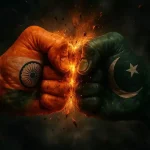
Exposing the Playbook from Dhaka to Pulwama: In the enduring rivalry between India and Pakistan, India has long been skilled at weaving narratives that portray Pakistan as the central antagonist in regional conflicts. Whether through military confrontations, diplomatic disputes, or acts of terrorism, India has repeatedly blamed Pakistan for instigating crises, thus shifting attention away from its shortcomings. However, over time, certain inconvenient truths have surfaced, challenging this one-sided narrative. Key figures within India’s government, such as Prime Minister Narendra Modi and former Jammu and Kashmir Governor Satya Pal Malik, have inadvertently exposed the internal failures and manipulations behind these accusations.
In 2015, Indian Prime Minister Narendra Modi made a rather candid revelation during his visit to Bangladesh. While addressing Dhaka University, he openly acknowledged India’s direct involvement in the 1971 Bangladesh Liberation War. Modi didn’t just mention support; he discussed India’s military intervention and his involvement in the Jana Sangh’s Satyagraha in Delhi, rallying behind the Mukti Bahini’s cause. “Every Indian wanted to participate in the struggle for Bangladesh’s freedom. I was arrested for doing Satyagraha,” he said, giving the world a glimpse of a carefully hidden chapter in India’s history. This wasn’t just a moral victory for Bangladesh; it was India’s admission of interference that had been long denied. For Pakistan, this wasn’t just a revelation, it was a painful confirmation of what had been suspected for years.
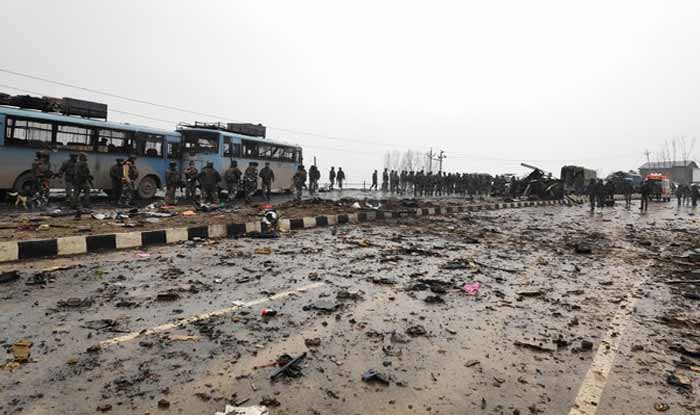
Then, fast forward to 2019, and a tragedy in Pulwama, Kashmir, would once again thrust India and Pakistan into a tense confrontation. A convoy of CRPF personnel was attacked, resulting in the deaths of 40 soldiers. Within hours, the Indian government pointed the finger at Pakistan, and the world was once again fed a narrative of Pakistani-sponsored terrorism. However, just a few years later, in an explosive interview with The Wire, Satya Pal Malik, the former Governor of Jammu and Kashmir, revealed something deeply troubling, something India had tried to bury. Malik exposed the internal failures that led to the tragic attack, claiming that the CRPF had requested aircraft for troop movement, but their plea was denied by the Indian government. He further alleged that Modi and National Security Adviser Ajit Doval instructed him to remain silent about these lapses, suggesting the government’s intent to shift the blame towards Pakistan for political gain.
As Malik’s revelations made headlines, India’s Home Minister, Amit Shah, was quick to dismiss them, questioning the credibility of his former ally and downplaying the significance of his statements. But the damage was done. The same government that had pointed fingers at Pakistan was now being called out for its missteps and cover-ups. If it weren’t for these confessions, one from Modi in 2015 and the other from Malik in 2023, these truths would have remained hidden, buried under layers of political convenience and manufactured narratives.
What’s striking about both of these incidents is the sheer consistency in how India’s leadership has dealt with uncomfortable truths: they’re either concealed or twisted into something else. Whether it was Modi’s admission about the Bangladesh war or Malik’s disclosure about Pulwama, both instances reveal a similar strategy: blame the neighbour, build a narrative, and rally domestic support. But time has a peculiar way of bringing the truth to light, and when that truth comes from within, it’s hard to ignore.
In the grand scheme of things, these confessions aren’t just about pointing out hypocrisy; they are about understanding the cost of political manipulation. In the case of Pulwama, the immediate aftermath saw not only an escalation in tensions but a dangerous game of diplomacy and warfare that could have spiralled out of control. The global community was fed a story of Pakistani aggression, while the real culprits were sitting in India’s political corridors.
📄 POLICY WIRE WHITEPAPER PUBLISHED: PAKISTAN'S NATIONAL SECURITY POLICY PRIORITIES
👉 READ BY CLICKING HEREBoth of these incidents expose the limits of propaganda. India’s leadership may have skillfully crafted narratives that painted Pakistan as the villain, but in the end, it’s the words of their own leaders that revealed what was really happening behind the scenes. Whether it’s Modi’s acknowledgment of India’s role in 1971 or Malik’s brave decision to speak out about Pulwama, both incidents serve as a reminder: in the long run, the truth has a way of revealing itself.
As we look back at these events, it’s crucial to ask ourselves: What does it say about a government that builds its credibility on falsehoods and manipulation? And more importantly, when the truth finally comes out, what are the consequences for the narrative it had spent so long crafting? The world deserves better than to be caught in a web of lies spun by those in power. It’s time for a new chapter, one rooted in honesty, accountability, and transparency.
Author