


The Unscripted Rise: How Outsiders Hijack the Political Narrative
POLICY WIRE — Washington D.C. — They said he couldn’t do it. They said he didn’t fit the mold. Too small, too unconventional, too vocal for the established order. This wasn’t some...

POLICY WIRE — Washington D.C. — They said he couldn’t do it. They said he didn’t fit the mold. Too small, too unconventional, too vocal for the established order. This wasn’t some upstart candidate from a Rust Belt town, mind you—not initially. We’re talking about a phenomenon familiar across arenas, from sports entertainment to statecraft: the relentless outsider who, despite every expectation, barges through the gilded gates of tradition and fundamentally reorders the game.
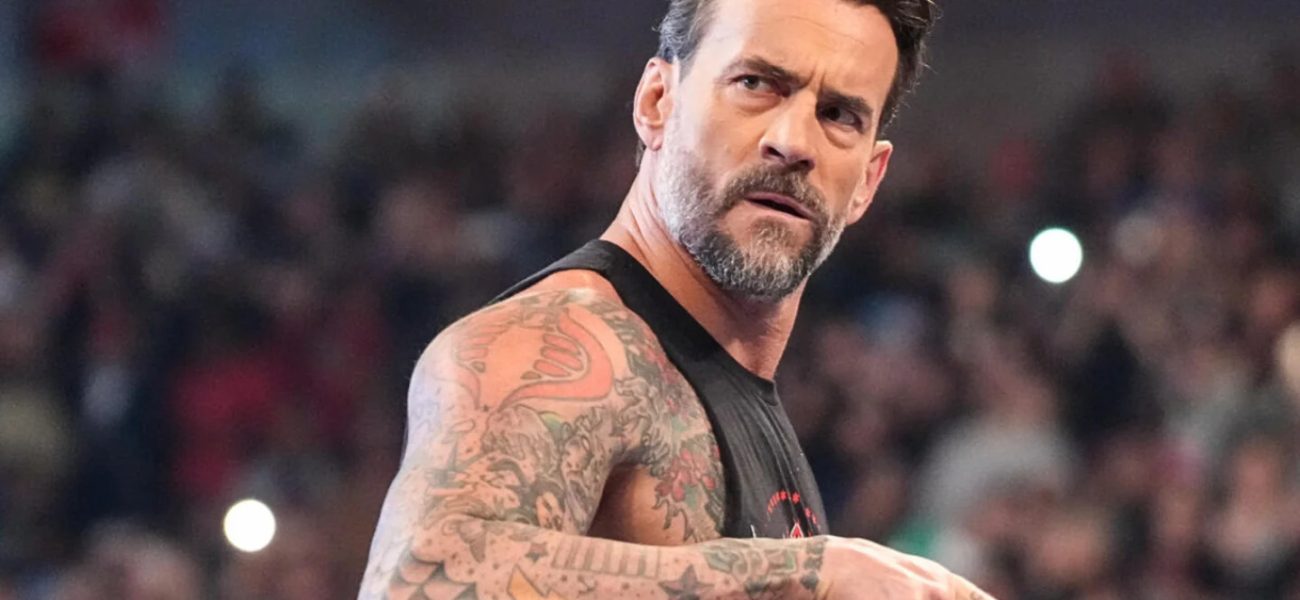
Think back to the peculiar ascendancy of an individual whose entire brand was built on rejecting the perceived excesses and hypocrisies of his chosen field. A self-proclaimed ‘straight edge’ provocateur in a world of bombast and artifice, he simply refused to conform to the established prototype. He wasn’t the chiseled, towering archetype—the ‘6’4″ and 250 lbs’ titan. He was just different, and that difference, cultivated with deliberate disdain for the old guard, made him an undeniable force. And he didn’t just rattle cages; he smashed through entire structural supports, ultimately becoming one of the most recognizable figures precisely *because* he wasn’t what anyone expected.
This template, born in the theatrics of a manufactured clash, rings chillingly true in the far more consequential realm of governance. Because for generations, the levers of power—whether in parliamentary democracies or more centralized systems—have been pulled by a predictable lineage: seasoned diplomats, career politicians, scions of influential families, or figures who patiently toiled their way up the party ranks. They knew the handshake, understood the decorum, and navigated the labyrinthine compromises required to maintain the apparatus.
But that’s changing, isn’t it? The public’s appetite for the well-oiled machine seems to have diminished significantly. Trust in institutions, across the developed — and developing world, has plummeted. A recent Pew Research Center study from 2023 indicates that only about 20% of Americans consistently trust the federal government, a stark decline from prior decades. That kind of dissatisfaction creates an open invitation for anyone with a microphone and a plausible anti-establishment message—a stark departure from conventional expectations.
It’s an insurgency by design, a deliberate refusal to play by inherited rules. We’ve seen this pattern manifest in unexpected corners of the globe, too. Consider the political landscape in Pakistan, for instance, where established dynastic parties and entrenched military influence have long dictated the narrative. Then comes an unexpected figure, sometimes an outsider like a cricket star or an activist, leveraging grassroots support or a fierce anti-corruption platform to challenge the very foundations of the old system. They rally the disaffected, weaponizing social media and a carefully crafted image of authenticity, echoing the raw, unpolished appeal that an unheralded athlete used to connect with legions.
But there are, of course, establishment guardians who view this with a mixture of bemusement — and alarm. “These disruptors, they lack the institutional memory,” observed Eleanor Vance, a veteran Capitol Hill strategist with three decades navigating Washington’s eddies. “They can energize, sure, but governing? That’s not a popularity contest—it’s an art of intricate detail and painstaking consensus building.” She shrugged. “Ultimately, you need people who actually know how the legislative sausage gets made.”
Yet, others see the emergence of these mavericks as a necessary, if sometimes painful, corrective. “The old guard’s inertia can be stifling,” countered Dr. Ahmed Latif, a former State Department envoy with extensive experience in South Asia. “Sometimes you need someone who isn’t beholden to the familiar ways—someone willing to risk the whole edifice—to enact actual, transformative change. But it’s not without peril. And it demands a different kind of leadership once they’ve seized power, doesn’t it?” Latif leaned forward. “You can tear down the old walls. But you still have to build something new that won’t just collapse.”
It’s the same uncomfortable truth: an outsider can be exceptionally good at identifying the perceived rot and exploiting systemic fatigue. But the policy details, the arduous legislative slog—the actual grunt work of statecraft—that requires an entirely different skill set. It’s easy enough to promise fundamental upheaval; it’s a hell of a lot harder to deliver it without burning the house down. Just look at the messy aftermath when some of these figures actually secure the reins, discovering the messy, intractable realities of global economics or entrenched bureaucracies. The weary grandee often finds their electorate exhausted, too, by constant turmoil.
What This Means
The consistent rise of these unscripted political figures signifies more than just a fleeting populist wave; it’s symptomatic of a profound structural reorientation in public expectations. Economically, their policies often introduce an unprecedented degree of uncertainty. Investment, both foreign and domestic, abhors instability, and the unpredictable nature of an ‘outsider’ government can either paralyze markets with fear or invigorate them with novel — if untested — directives. The political implications are even more layered. Traditional party structures weaken, loyalty becomes more fluid, and the political discourse itself often shifts from nuanced debate to sharp, often abrasive, confrontation. But it’s not all chaos; this phenomenon can force established parties to introspect, to address long-ignored grievances, and to revitalize their own messaging, sometimes co-opting the very anti-establishment rhetoric they initially despised. This constant push-and-pull is creating a diplomatic environment ripe for unconventional plays and unexpected partnerships—or equally, for unprecedented gridlock.