


Sixteen Bucks for Enlightenment? New Mexico Gambles on Coffee-Fueled Creative Class
POLICY WIRE — Albuquerque, United States — Forget the glittering tech IPOs or the frantic buzz of Silicon Valley venture capital. In Albuquerque, the engine of economic renaissance might just run on...

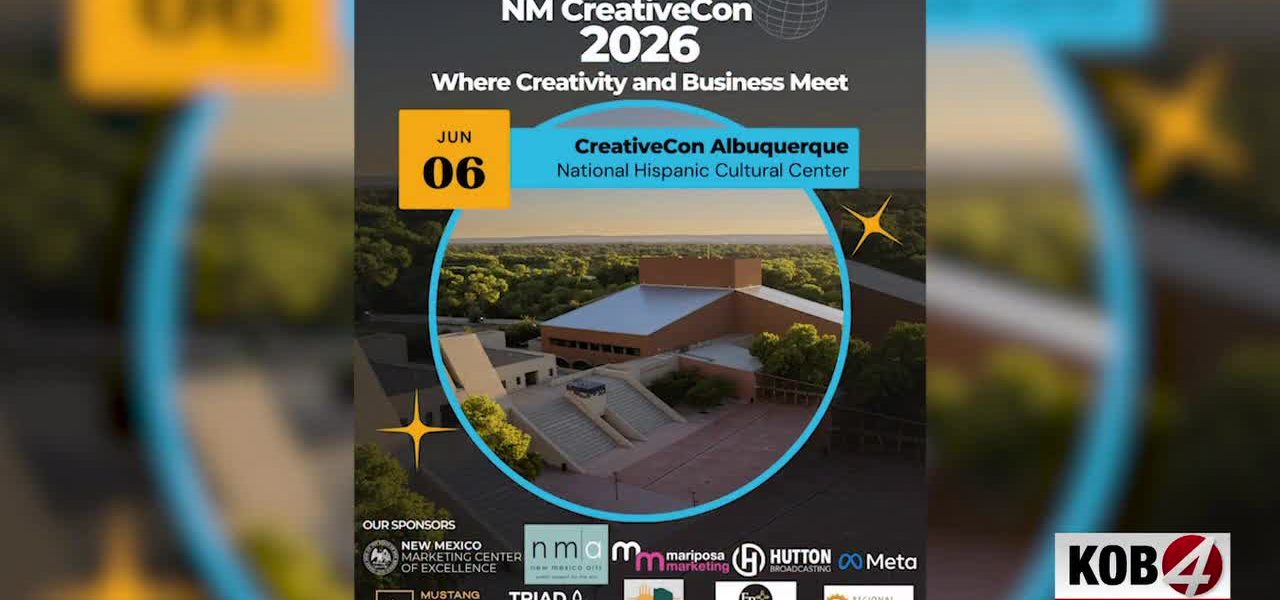
POLICY WIRE — Albuquerque, United States — Forget the glittering tech IPOs or the frantic buzz of Silicon Valley venture capital. In Albuquerque, the engine of economic renaissance might just run on a sixteen-dollar entry fee, a cup of local piñon coffee, and the quiet ambition of artists hoping to make rent. This isn’t your average economic summit, but a local gamble—a calculated push to monetize the inherently unquantifiable, scheduled to culminate June 6 at the National Hispanic Cultural Center.
It’s an initiative that has traversed the state, hitting sleepy towns like Carlsbad and Raton before arriving in the metropolitan hub. What’s unfolding across New Mexico is an experiment: can a state actively cultivate a creative economy from the ground up, moving it beyond a mere cultural amenity to a genuine job creator? And can they do it with workshop tracks focused on everybody from folks that don’t have a business to seasoned local policy developers?
[QUOTE_PLACEHOLDER] explained Shani Harvie, the state’s Creative Industries Division Director. Her department, housed within New Mexico’s Economic Development Department, isn’t just handing out participation trophies. They’re bringing together the different resources, services, grant programs, and business development that’s available for creatives and creative business owners, she says. It’s an earnest endeavor, almost quaint, in a world accustomed to larger, louder economic maneuvers. They’ve even got a resource center, boasting over 600 different assets that can help a creative to understand what business resources are in their area, local area, like small business development centers, as detailed by Creative Industries Division Coordinator Arlen Nelson. And there’s a lot of free resources floating around, for those paying attention.
But how do you define success when your primary input is nebulous talent — and your output is art? The cost to attend is a modest $16, yet a portion of that goes to their grant fund. It also covers your lunch and New Mexico Piñon Coffee all day, as well as other opportunities and sweepstakes for New Mexico magazine placements, social media and subscriptions to some art services. Small stakes, big hopes. It feels almost revolutionary to imagine government actively nurturing what’s often dismissed as a fringe activity, elevating painting or poetry to the same tier as — say — solar panel manufacturing.
And it’s not just about turning easel-wielding dreamers into corporate titans overnight. The strategy here acknowledges the broad spectrum of the creative class. One track is for startup artists or hobby creatives. A second track caters to existing creative businesses. Then, there’s a third designed for local policy developers, elected officials, community developers, people who are in the space that want to know more about what’s the creative economy, why should we be investing in it and what’s this opportunity that we’re talking about. It’s an implicit recognition that without a sympathetic political class, all the artisanal coffee in the world won’t launch an industry.
Because the challenge isn’t merely about funding. It’s about building a robust ecosystem, convincing both creators — and consumers of the sector’s worth. Take, for instance, the broader economic context: the U.S. Bureau of Economic Analysis (BEA) reported that the creative economy, including arts, culture, and creative services, contributed 4.3 percent to the nation’s gross domestic product (GDP) in 2022, totaling nearly $1.2 trillion. That’s more than agriculture, transportation, or even construction. So, perhaps New Mexico isn’t so quixotic after all; they’re just getting with the program.
This localized effort echoes conversations across the globe. From Lahore to Kuala Lumpur, policymakers are increasingly recognizing the soft power and hard cash potential of their indigenous creative industries. Countries like Pakistan, with its rich traditions in craft, textile design, music, and a growing digital media sector, face similar dilemmas. How do you formalize informal economies? How do you provide business acumen and access to capital for a designer working from a home studio in Karachi or a potter in Thatta? Initiatives there often confront challenges far more entrenched—think infrastructure deficiencies, sporadic power supply, or navigating the byzantine bureaucracy.
The lessons from Albuquerque’s measured approach could well offer blueprints for developing nations looking to leverage their unique cultural capital. You know, without just waiting for foreign investment to solve everything. But for now, New Mexico continues its roadshow. They’ve been around — to Carlsbad, Raton, Gallup, Silver City — and are headed to Pojoaque, as well as Albuquerque. It’s a quiet revolution, steeped in Southwestern practicality — and a strong cup of joe.
What This Means
The CreativeCon initiative isn’t just about selling art; it’s about selling an economic vision. Politically, Governor Michelle Lujan Grisham’s administration gains a potent narrative: proactive support for local businesses and diversification away from traditional resource extraction (mining, oil, gas) — always a good look, especially for the progressives. Economically, fostering creative industries provides stable, albeit often micro-scale, employment that tends to be less vulnerable to remote outsourcing than some tech or manufacturing roles. Plus, it builds on inherent cultural strengths, creating local wealth that often stays local. It’s smart. It’s a strategy for the long game, positioning New Mexico as a haven not just for natural beauty but for innovative thought and artistic enterprise. Given the Supreme Court’s decision earlier this year regarding the Rio Grande, and the strained agricultural outlook that often follows, cultivating alternative economic avenues isn’t merely good policy—it’s becoming a stark necessity. Other regions, particularly those in the Muslim world eyeing the gig economy and indigenous artistic revival, are likely taking notes. Or at least, they should be. This kind of grassroots economic development could prove resilient in an increasingly turbulent global landscape, especially compared to the sometimes volatile ‘essentials’ markets.