

Ripples Beyond the Persian Gulf: Trump’s Iran Stance Squeezes Asia’s Remittance Artery
POLICY WIRE — Washington D.C., USA — In the small, sun-baked hamlets of Sindh, Pakistan, where dreams are often shipped abroad for hard currency, an unseen financial chokehold tightens. It’s not the...

POLICY WIRE — Washington D.C., USA — In the small, sun-baked hamlets of Sindh, Pakistan, where dreams are often shipped abroad for hard currency, an unseen financial chokehold tightens. It’s not the Strait of Hormuz causing these ripples, not directly anyway. But it’s connected—a complex, sprawling economic side effect of Washington’s ongoing, perhaps obsessive, campaign to bring Tehran to its knees. Donald Trump’s administration, with its blunt instrument of sanctions, didn’t just target Iran’s oil; it hit its financial jugular, sending shockwaves through illicit and informal money transfer networks vital to millions in Asia.
For years, even decades, workers from Pakistan, India, Bangladesh, and Afghanistan have sent their hard-earned dirhams and riyals back home through channels that often touched, or skirted, the Iranian financial system. Hawala, cash couriers, informal traders—they’ve always been the economic backbone for families who lack formal banking access. But now, these conduits, once reliable if opaque, are considered toxic. Washington’s crackdown on anything even remotely linked to Iranian transactions means banks, big and small, are exercising extreme caution. They’re de-risking, meaning they’re simply cutting off anything that smells like trouble. And that means regular folk, thousands of miles away, don’t get their money.
But don’t mistake this for merely an Iranian problem. Because when you clamp down this aggressively, you don’t just hit the intended target. You splatter. It’s a squeeze. The informal financial web in the Middle East, intricately connected for trade and migrant worker remittances, isn’t neatly segregated by national borders. Iran’s commercial connections, its ports, its vast overland routes into Central Asia and the Subcontinent, they’ve all been integral. Dislocate one key node, — and the entire network experiences severe turbulence.
“This economic coercion isn’t targeting our government; it’s targeting our families,” stated Iranian Foreign Ministry Spokesman Saeed Khatibzadeh recently, though perhaps more passionately now. “Washington thinks it can break our resolve by hurting our people. They’ll fail, but the cost, sadly, falls heaviest on those trying to live.” He’s not entirely wrong. From small-time traders on the Afghan border to families waiting for monthly remittances from Dubai, the ripple effects are becoming concrete realities.
“Financial systems aren’t designed for this level of opacity,” conceded an anonymous Treasury Department official, speaking off the record but clearly exhausted by the compliance treadmill. “We’re asking institutions to either comply with unprecedented sanctions or risk global isolation. There isn’t much middle ground, and sure, collateral damage happens.” Such is the pragmatism of policy-makers, often far removed from the ground-level chaos their decisions sow.
And the implications? They stretch far beyond the immediate economic discomfort, threatening to destabilize fragile economies reliant on these consistent infusions of foreign exchange. The Bollywood of Anguish for South Asian households is very real. The World Bank reported a record $57 billion in remittances to South Asia in 2023, a lifeline many fear is fraying as informal channels, once robust, now become radioactive. A significant, though often unquantified, portion of this money navigates the region through complex, interlinked corridors—many now facing acute disruption due to sanctions on Tehran.
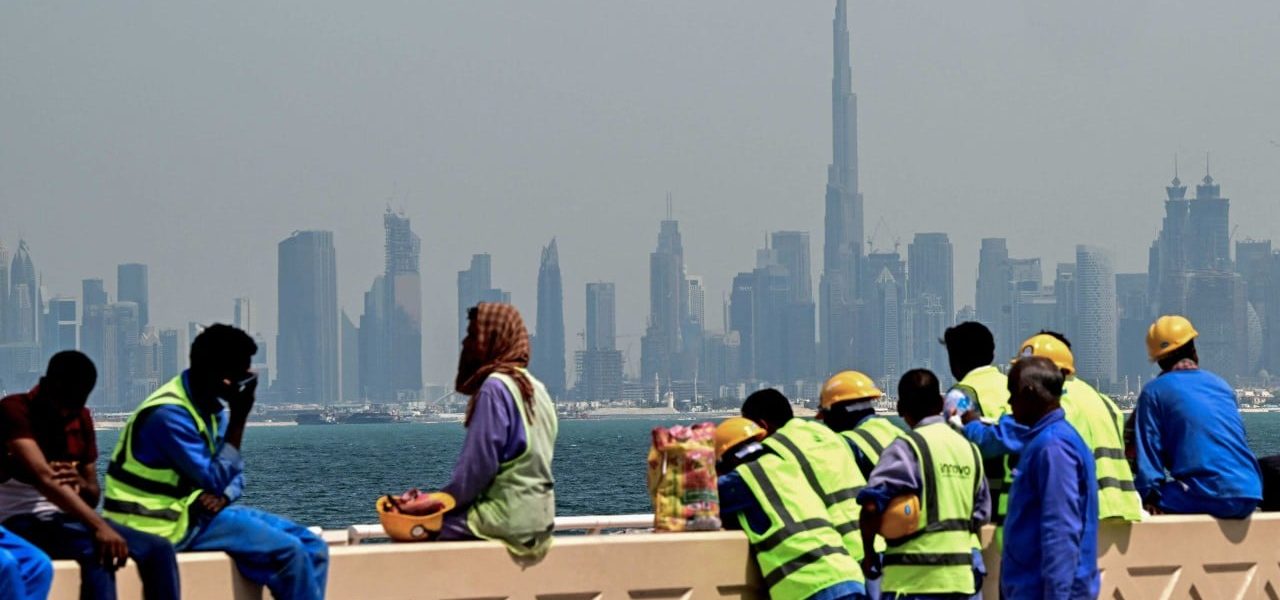
The truth is, remittances, formal or not, constitute a far larger slice of GDP for many of these nations than the West often comprehends. Pakistan, for instance, saw its remittances exceed $30 billion in 2023 alone—money that sustains households, pays for education, and underpins consumer demand. When these informal lifelines seize up, the official banking channels simply can’t absorb the overflow, leading to illicit premiums, delays, and outright loss for some of the world’s most vulnerable. It’s an almost perfect storm for the millions whose families are just trying to get by, often working in tough, sometimes brutal, conditions in the Gulf states, much like the informal labor in Delhi’s heat traps.
What This Means
The ramifications of Washington’s hawkish stance on Iran, filtering down through global financial arteries, present a multi-faceted challenge. Economically, we’re looking at suppressed growth, particularly in economies already grappling with inflation and balance of payments issues. Lower remittance inflows translate directly into reduced household consumption, less investment in small businesses, and greater pressure on domestic currencies. Politically, the frustration generated by these hardships can fuel popular discontent, potentially leading to instability in already volatile regions. Governments in South Asia and parts of the Muslim world, struggling to placate populations hit by economic contraction, might find themselves pushed toward greater alignment with powers willing to skirt sanctions, further fragmenting global alliances.
The strategic implication is also clear: this aggressive de-risking might inadvertently strengthen rather than weaken informal networks. It makes them more expensive, certainly, but also more resilient — and clandestine. And that, paradoxically, could complicate efforts to track illicit financing, as money is pushed even further into the shadows, making compliance objectives harder, not easier, to meet in the long run. It’s a game of unintended consequences, meticulously played out on the global stage, with millions of innocent families as the unsuspecting pawns.