


Teen Prodigy Unravels Strategic Order in IPL Playoff Melee
POLICY WIRE — New Chandigarh, India — The established order, you see, it always fusses over things like process, strategy, and what you’d call the proper way to go about winning. Then a 15-year-old...

POLICY WIRE — New Chandigarh, India — The established order, you see, it always fusses over things like process, strategy, and what you’d call the proper way to go about winning. Then a 15-year-old strolls in with a bat that might as well be a wrecking ball, and suddenly all those finely tuned plans look kinda silly. This isn’t just about another high-stakes cricket match; it’s about a fresh-faced disruptor making seasoned pros rethink their entire universe.
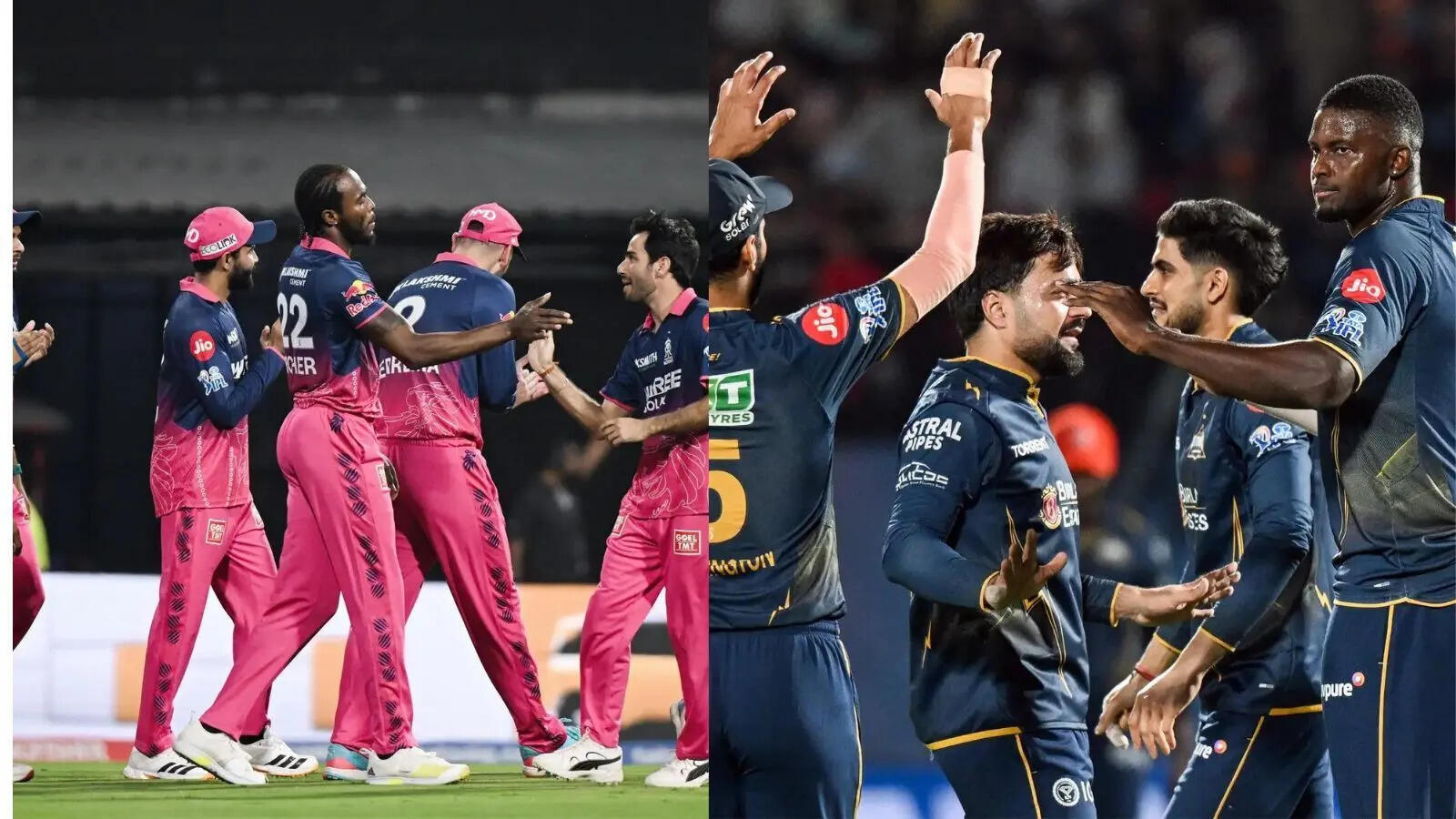
On Friday night, at the Maharaja Yadavindra Singh International Stadium, the spotlight isn’t just on the second qualifier between Rajasthan Royals and Gujarat Titans. It’s fixed on Vaibhav Sooryavanshi, a player whose audacity is – well, it’s astonishing. He’s already gone toe-to-toe with big names like Mohammed Siraj and Kagiso Rabada, even sending the latter’s reputation spinning with an ease that belies his tender age. Those early encounters? Mere previews, a curtain-raiser to this whole playoff spectacle. [QUOTE_PLACEHOLDER]
GT’s bowlers, often described as a well-drilled pace cartel, usually rely on things like discipline and precise execution. Siraj offers skiddy aggression, Rabada brings bursts of hostility, — and Prasidh Krishna extracts awkward bounce. But Sooryavanshi, he doesn’t appear particularly interested in discipline. His astonishing 97 off 29 balls against Sunrisers Hyderabad in the Eliminator, frankly, felt less like an innings and more like a sporting event unfolding at double speed. That’s a statistic that doesn’t just grab headlines; it forces teams back to the drawing board.
And let’s be real, his fearless approach, particularly against veterans—he even pulled a legend like Pat Cummins into the mayhem—highlights a fascinating shift. It’s almost a cultural reset within the T20 format, especially considering the IPL’s massive global footprint. These youngsters, rising from the bustling, cricket-obsessed landscapes of South Asia, including countries like India, Bangladesh, and even Pakistan’s parallel cricketing pathways, they’re not just playing a game. They’re rewriting the emotional tempo of T20 cricket one bat swing at a time. They don’t respect perceived pedigrees; they simply perform. This phenomenon isn’t exclusive to one nation; it’s a regional export, demonstrating the sheer, unbridled talent pool that’s a constant wellspring in this part of the world.
The challenge for GT is, you know, crystal clear. If Sooryavanshi manages to survive those opening overs, the entire geometry of the game changes rapidly. But there’s a crack in that seemingly impenetrable armor, too. His occasional vulnerability against the short ball remains one of the few visible cracks in an otherwise frightening batting profile. Siraj, for one, exploited it once; others have too during the tournament. The big question, though, is whether GT can really persist with that plan without, ironically, giving Sooryavanshi just enough room to free his arms square of the wicket, turning a weakness into an opportunity for havoc.
GT assistant coach Parthiv Patel wasn’t exactly spilling the beans during the presser. I am not a broadcaster at the moment, so won’t be able to reveal our plans,
Parthiv said with a smile. It was the typical pre-match dance, though he couldn’t hide a certain admiration. I am very excited about the way he (Sooryavanshi) is batting.
There’s genuine appreciation there. Hopefully, we will be able to get him out early in the game and we will be able to execute our plans.
He quickly added the standard caveat, because, you know, that’s just how it goes: But what it’s, you will only know when we’re on the ground.
Parthiv, like everyone else who’s witnessed this kid’s onslaught, sounded genuinely captivated. The way he’s batting, people are liking it. We shouldn’t be talking about his age. I think that’s something we need to put an end to.
And he’s got a point. It’s almost reductive to fixate on the birth certificate when you’re witnessing this kind of prowess. He’s been a phenomenal talent just the way he’s been playing. And it’s great to see him; and just from the opposition point of view, we hope that he doesn’t get too many runs,
Parthiv quipped. You gotta laugh, right?
Rajasthan Royals, their trajectory seems increasingly powered by this dynamic duo: Sooryavanshi’s relentless aggression up top, and Jofra Archer’s thunderbolts with the ball. Jaiswal, the other opener, his crucial contributions have almost vanished behind the glare created by his teenage opening partner—a stark measure of this young lad’s impact. GT, on the other hand, it’s a team built on consistency — and method. Guys like Shubman Gill and Sai Sudharsan craft innings with precision; Jos Buttler provides the acceleration; and their bowlers, usually, squeeze opponents into those fateful errors. It’s calculated cricket versus pure, unadulterated chaos.
Despite taking a heavy loss against RCB in the previous qualifier, Parthiv stood firm in defending his team’s measured approach. We know what kind of cricket we want to play,
he stated, unwavering. We trust in our ability. We know what we can do.
He’s got the track record to back it up, too: Since GT’s inception, four out of five years, we have qualified (for the playoffs). The results are there for everyone to see.
And he isn’t wrong. They’ve built a solid franchise, not just a flashy one.
What This Means
This match isn’t merely about who punches a ticket to the IPL final; it’s a microcosm of larger, less obvious forces at play within the global sports economy, especially in the subcontinental powerhouses of cricket. The meteoric rise of a player like Sooryavanshi speaks volumes about the democratization of opportunity and talent — perhaps more accurately, its untamed eruption. The IPL, much like a vibrant stock exchange, has become an accelerant for young talent from across the South Asian landscape, drawing them into a high-pressure, high-reward ecosystem. For young athletes from Pakistan, Afghanistan, or Bangladesh, watching an Indian teenager shatter expectations with such swagger isn’t just entertainment; it’s a vision of what’s possible. It symbolizes an entrepreneurial spirit, a defiance of established norms that, frankly, many political or economic structures struggle to replicate.
The methodical approach of teams like GT represents the traditional corporate entity — calculated, process-driven, risk-averse. Sooryavanshi, however, he’s the disruptive startup, the fintech wunderkind threatening a century-old bank. His success challenges the very foundations of team-building philosophies. Can you quantify instinct? Can you train raw, explosive self-belief? His game, quite frankly, is pure economic disruption manifested on a cricket pitch. It suggests that while systems are nice, sometimes, a singular, unburdened talent can outmaneuver years of collective strategic planning. It also highlights the growing pressure on cricketing boards and franchise owners to continue finding and nurturing these rare, volatile assets – a scramble for the next national sensation that has profound financial implications for team valuations and sponsorship deals across the subcontinent and beyond. It’s not just a sport; it’s a bonanza, one where young, explosive talent acts as a literal engine of economic and cultural capital.