
Texas Electoral Mirage: Veteran Lawmaker Tears Apart ‘Fairness’ Facade
POLICY WIRE — Austin, USA — When trust in the ballot box starts fraying, it isn’t just about partisan squabbles anymore. It’s a foundational tremor, an erosion of the very bedrock...

POLICY WIRE — Austin, USA — When trust in the ballot box starts fraying, it isn’t just about partisan squabbles anymore. It’s a foundational tremor, an erosion of the very bedrock democracies perch upon. And right now, Texas — a state often seen as a bellwether for American political currents, if a particularly prickly one — finds itself squarely in that quake zone, not courtesy of external agitators, but from one of its own. It’s not the first time we’ve seen this play out; think recent elections across the globe, the perpetual claims and counter-claims.
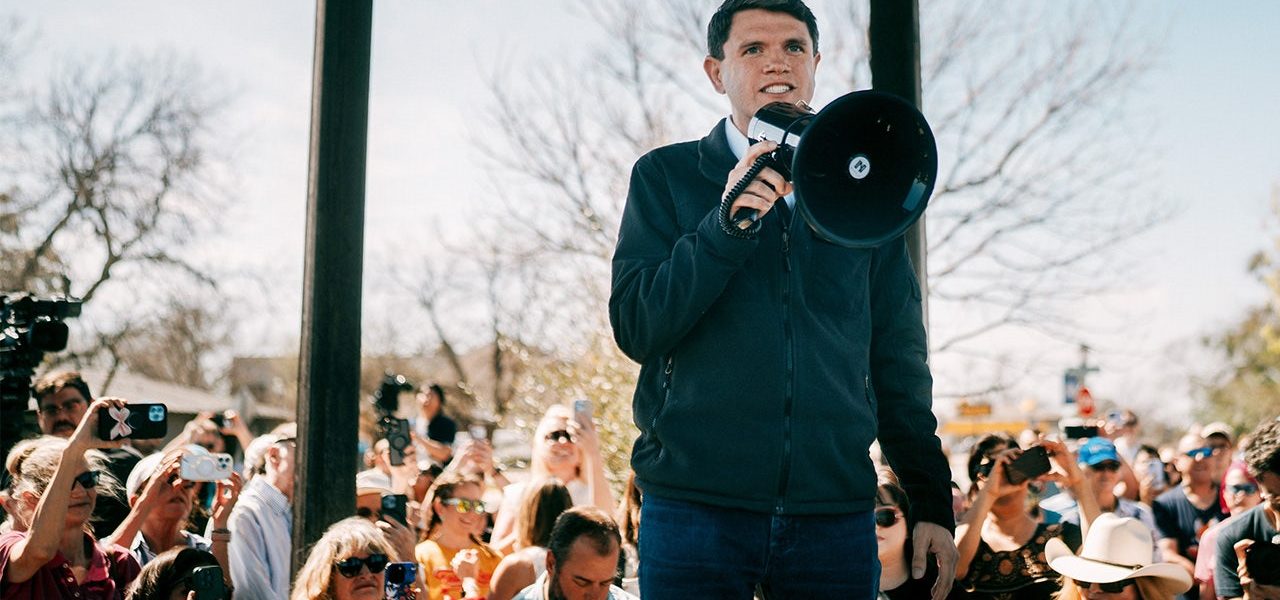
Bryan Talarico, a familiar face in the state’s legislative chambers for years, just dropped a bombshell, basically saying what many whisper privately, but rarely scream on record: Texas elections aren’t exactly on the up and up. He hasn’t minced words, reportedly asserting that the system itself, warts and all, falls short of being truly free and fair. This isn’t just grumbling from a disgruntled political operative; it’s a veteran calling out the process itself, from the inside. That ought to make some folks sit up, doesn’t it?
It’s a serious allegation, especially in a state where political battles over voting rights and election procedures are as routine as a Houston summer. Talarico, according to reports, isn’t just talking about a few bad apples or isolated incidents. No, he’s taking aim at the systemic architecture. He seems to suggest it’s more complicated than just voter ID laws or polling station hours; it’s something baked into the pie, the very dough, perhaps.
Because, let’s face it, public faith in elections is a brittle thing. You push it too hard, chip away at it too long, — and it shatters. And Talarico’s public declarations throw a mighty hammer at that glass. He’s making a comprehensive indictment, implying the existing framework doesn’t facilitate genuine democratic participation and, in some key ways, subverts it. The language he’s used suggests a deep-seated frustration with the state of play, indicating a calculated challenge to the official narrative of Texas elections as robust and above board. One can almost picture the strategists scrambling, wondering how to contain this particular fire. You can’t just shrug it off when someone who knows the system intimately points to the cracks in the foundation.
It’s interesting, really, how often similar narratives emerge in vastly different political landscapes. Just last year, polls conducted across a wide swath of urban and rural centers in Punjab, Pakistan, indicated that nearly 60% of respondents doubted the absolute integrity of recent local government elections, citing perceived undue influence and lack of transparency (Dawn, 2023). It’s a sentiment that echoes far beyond the dusty streets of Lahore or Karachi, finding an uncanny parallel in a hyper-modern state like Texas, albeit with different mechanisms at play. Whether it’s institutional capture or voter access challenges, the end result is a citizenry that begins to lose faith. It’s not just about winning or losing; it’s about believing the score was honestly kept.
But back to Talarico. What exactly is he seeing, or what’s he convinced is happening, that makes him go public with such a damaging assertion? The original reporting indicates he detailed concerns over a litany of issues: voter suppression tactics he says are enshrined in law, labyrinthine registration processes, and funding imbalances that heavily favor incumbent power structures. And it’s not simply a question of partisan outcomes; he’s challenging the legitimacy of the outcome, period. It’s an inconvenient truth for many politicians, one that could rattle a few cages heading into future electoral cycles.
📄 POLICY WIRE WHITEPAPER PUBLISHED: PAKISTAN'S NATIONAL SECURITY POLICY PRIORITIES
👉 READ BY CLICKING HEREWe’ve watched similar debates erupt over political payouts and perceived inequities in various global contexts, from sporting events to national referendums. The undercurrent is always the same: is the game being played fair? Talarico isn’t offering a quick fix or a neat partisan solution. His statements, we understand, are far more sweeping. He believes [QUOTE_PLACEHOLDER], implying a fundamental structural problem that disenfranchises certain segments of the population and creates an uneven playing field. It’s a claim that could trigger legislative hearings, public outcry, and possibly even federal scrutiny, if it gains enough traction. That’s a huge lift, but it begins with statements like this.
The veteran lawmaker also touched upon campaign finance regulations—or the lack thereof, from his perspective—and their insidious role in tilting the scales before a single vote is even cast. It’s hard to call an election truly free and fair, he implies, when one side starts with a gargantuan financial head start, funded by interests that aren’t exactly keen on a level playing field. And this isn’t rocket science, is it? Money talks, always has, — and in politics, it often dictates the volume of everyone else’s voice. We see it in nascent democracies wrestling with entrenched oligarchies, and we’re seeing it, apparently, right here in the heart of Texas. The systems become gamed. It’s a reality check that applies equally to emerging markets struggling with corporate influence on ballots as it does to a powerful US state. The game changes.
What This Means
Talarico’s incendiary declarations aren’t just hot air. Politically, they arm critics with potent ammunition and provide a focal point for organizations already campaigning for election reform. Expect an intensified push for legislative changes, potentially escalating debates over federal oversight of state elections – a notion that always sparks conservative ire. Economically, while not a direct hit, persistent allegations of compromised elections erode investor confidence. It projects an image of political instability and systemic corruption, however minor, which isn’t attractive to businesses seeking predictable regulatory environments. Over time, a sustained perception of unfairness can dampen civic engagement, leading to lower voter turnout, further polarizing the electorate, and making policymaking even more gridlocked. It creates a vacuum for extremism, — and you know how that goes. Texas, a massive state with a substantial economy — and population, influences national trends. If its electoral credibility takes a sustained hit, it impacts the perception of democratic health across the entire nation, not just domestically, but on the international stage too. After all, if the US can’t sort out its own house, what message does that send to nations striving for — or struggling with — democratic ideals abroad, from Cairo to Kuala Lumpur? It sends a message of hypocrisy, maybe, a kind of shadow power at play.