


Fentanyl’s Shadow: New Mexico’s Youth Grapple With a Crisis Deeper Than Numbers
ALBUQUERQUE, N.M. — The sheer, agonizing velocity of loss — that’s the silent epidemic lurking behind the numbers, carving chasms in families and hollowing out futures. It isn’t just about ‘drug...

ALBUQUERQUE, N.M. — The sheer, agonizing velocity of loss — that’s the silent epidemic lurking behind the numbers, carving chasms in families and hollowing out futures. It isn’t just about ‘drug use’; it’s about teenagers, bright and brimming with potential, vanishing into the opiate-laced shadows, sometimes never to return. In New Mexico, that shadow’s gotten particularly long and menacing, swallowing up more young lives than it rightfully should.
It’s a brutal truth, this state’s ranking. You’d think leading the nation in something would feel good. Not this. Not when you’re number one for overall drug addiction *and* for teen drug use, as a WalletHub ranking starkly highlighted recently. It’s a damning indictment, a quiet catastrophe unfolding right under our noses, and nobody’s quite got a clean answer for making it stop.
Jennifer Burke knows the sting of those statistics better than most. Her son, Cameron, became a statistic at just 18. An opioid addiction, stemming from a sports injury—it’s a path that feels almost cliché now, depressingly common. But there’s nothing cliché about the hole it leaves behind. “To see that we’re number one for not only drug use in New Mexico but for teen drug use is just sad to me,” Burke shared, her voice carrying a weariness that 20 years on the policy beat knows all too well. “It’s just sad.”
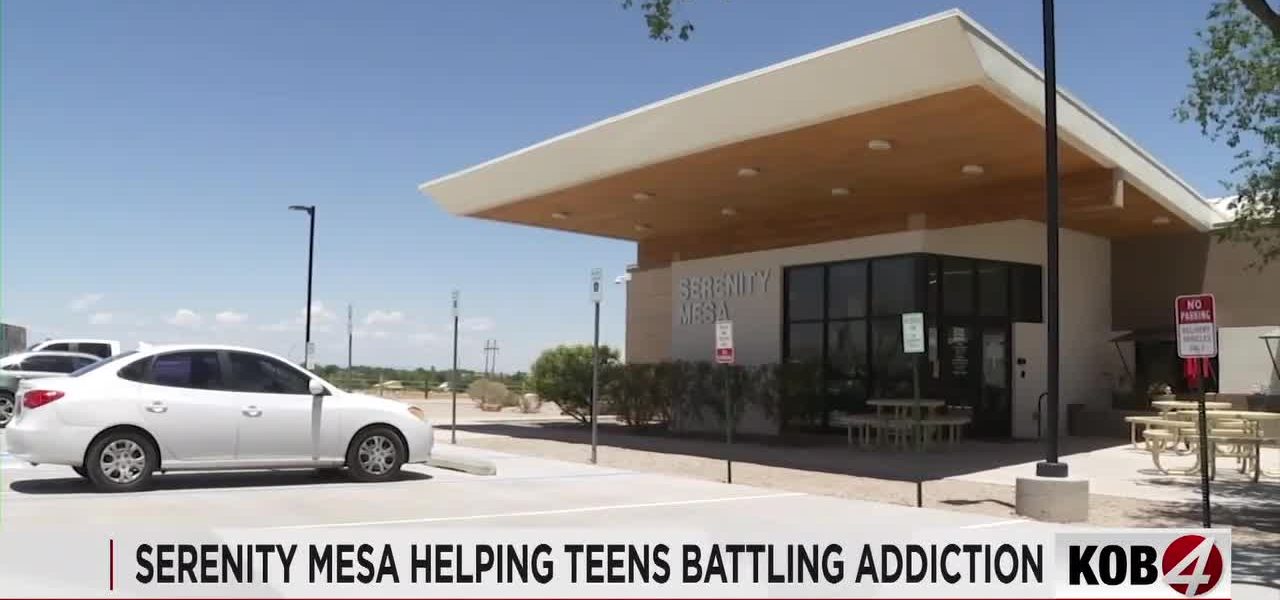
Out of that deep, personal anguish, Serenity Mesa Recovery Center was born in 2015. Since then, it’s been a haven for nearly 700 teenagers caught in the current. Because, back when Cameron was struggling, quality treatment options for adolescents in the Land of Enchantment were — well, they were largely mythical. “New Mexico just didn’t have adequate treatment for adolescents,” Burke lamented. “When he passed away, I went on this mission to open up a treatment center.” It’s a grim calculus, turning heartbreak into desperately needed resources.
And the problem’s mutating. Teens today aren’t just sniffing glue behind the gym, folks. They’re getting drugs, specifically fentanyl and methamphetamines, through insidious digital channels – social media, encrypted apps. It’s a dark twist, this modern distribution network, enabling substances to bypass traditional gatekeepers and hit kids directly, often disguised, often with deadly consequences. It’s a digital menace that recognizes no borders—a chilling echo of how youth across the globe, from Albuquerque to urban centers in Pakistan, are increasingly targeted by traffickers leveraging technology to spread dangerous counterfeit medications and illicit substances, often under the guise of casual commerce.
The youth battling addiction today – they aren’t a monolith. A 14-year-old wrestling with vaping dependence — and experimental pill use? Their needs are starkly different from a 19-year-old deep into a methamphetamine habit, perhaps also facing homelessness or profound trauma. Serenity Mesa understands this. “A 14-year-old is going to have very different needs than a 19-year-old,” Burke emphasized. “We customize it based on their needs and the drugs they were using.” Good sense, that, recognizing individual battles in a collective war.
Jayden Pietz, just a teenager herself, knows the fight intimately. She landed at Serenity Mesa, dragged down by meth — and fentanyl. “I didn’t really have any hope before I got here,” Pietz admitted, the memory still fresh. “I just didn’t think that there was going to be anything more out of my life than using drugs.” But here she’s, midway through recovery, looking toward a horizon she hadn’t dared to imagine. “This is a a 90-day treatment, but they’re setting us up for success in the long run,” she observed, a flicker of hard-won optimism in her voice.
But the centers can’t do it alone. The demand is outstripping capacity, creating waitlists for desperately needed mental — and behavioral health services. “We’re facing a public health emergency that demands a far more aggressive, unified response from state and federal agencies,” declared Dr. Alisha Khan, a senior policy analyst specializing in adolescent health for New Mexico’s Department of Health. “These aren’t just kids making bad choices; they’re kids in pain, preyed upon, and we’re failing them if we don’t open more doors to effective care.”
Burke herself, ever the advocate, stresses perseverance. For parents, for kids themselves. “Don’t give up on your kids,” she pleads. “And if you’re somebody who’s struggling, don’t give up on yourself. It may seem like you’re in a dark hole now, but you’ve got to start making those steps to climb out.” And she’s right. Because the cost of doing nothing? That’s truly unthinkable. Learn more about navigating behavioral health crises here.
What This Means
New Mexico’s struggle isn’t an isolated incident; it’s a grim bellwether for what happens when social safety nets fray, particularly for young people. Economically, a generation lost to addiction represents an incalculable hit to the future workforce, a drain on public services, and a deepening cycle of poverty. The immediate burden on healthcare systems is astronomical, with long-term treatment costs spiraling. Politically, the issue forces difficult conversations around drug policy, funding allocations for prevention and recovery, and the efficacy of current mental health infrastructure. But these debates are often paralyzed by stigma and partisan gridlock, leaving grassroots organizations like Serenity Mesa to pick up the slack. Expect continued pressure on state legislators to channel more resources into school-based programs and expand telehealth options, particularly in rural communities where access remains a serious issue. The rise of synthetic opioids means the approach can’t be static; it’s a constant, reactive struggle requiring nimble policy changes and sustained public health investment – something New Mexico, and indeed the entire nation, hasn’t quite managed to master. Further resources on substance abuse prevention can be found at Policy Wire’s Prevention Guide.