

Racket Diplomacy: Local High School Tennis Reflects Illinois’ Evolving Demographic Stakes
POLICY WIRE — Springfield, Illinois — The Illinois High School Association Class 1A Boys State Tennis Finals—a theater of adolescent dreams and sudden, crushing realities—once again delivered its...

POLICY WIRE — Springfield, Illinois — The Illinois High School Association Class 1A Boys State Tennis Finals—a theater of adolescent dreams and sudden, crushing realities—once again delivered its peculiar brand of drama in the Chicago suburbs. Not every story unfolded as planned; in fact, for some, ambition fractured before the first serve truly mattered. The aspirations of one Springfield team, for instance, dissolved into bone-deep medical necessity.
Freshman Shrihan Aleti, a sectional doubles champ with a formidable 21-3 record, found his tournament hopes obliterated by a broken finger. And coach Jarod Ingebrigtsen, bless his heart, recounted that Aleti had played through the sectional, initially believing it was just jammed. But it wasn’t. Later, a diagnosis of a fracture and subsequent surgery effectively benched him, injecting an almost Shakespearean tragedy into what was meant to be a competitive run. [QUOTE_PLACEHOLDER]
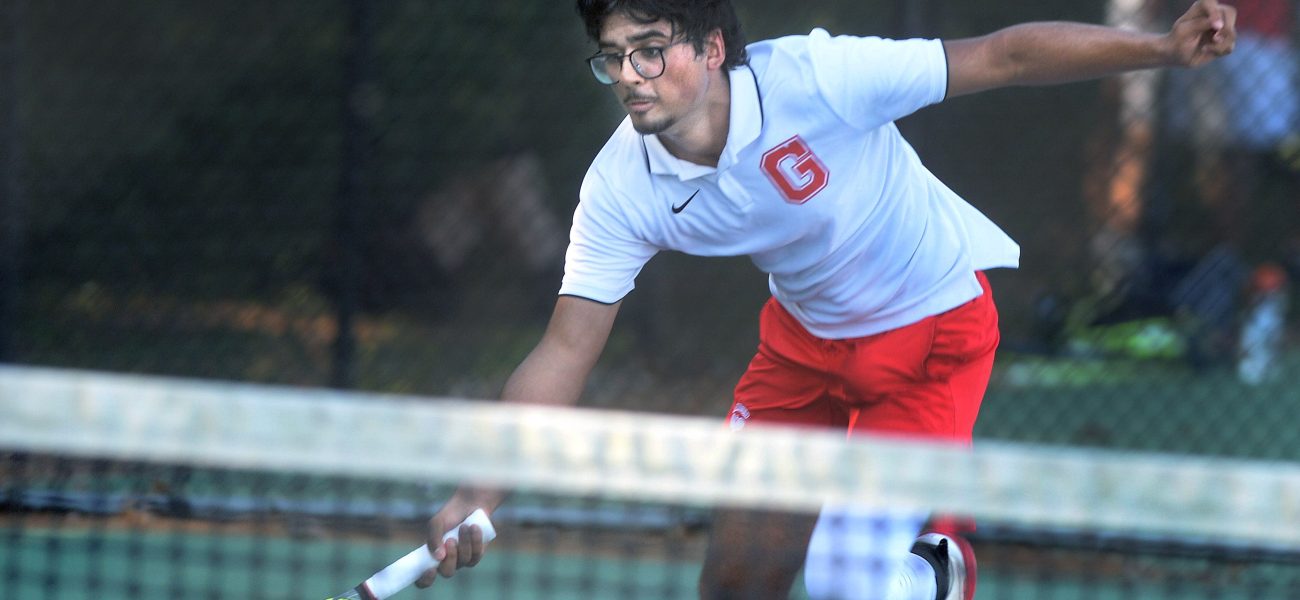
It was left to other squads to carry the flag, — and carry it they did, albeit with varying degrees of grace and grit. Chatham Glenwood’s Talha Arshad and Aarav Patel, a duo whose names might make some observers—especially those tracking global diaspora patterns—pause and consider the changing face of small-town America, powered through. This 5-8 seed pairing from Chatham navigated the initial rounds, battling not just opponents but probably their own nerves, to secure a spot in the quarterfinals of the championship draw. They’re good. Really good. They dismantled Cary Grove’s Finnegan Karlovsky and Halen Young 6-3, 6-2 in round one, then dispatched Marion’s Daily Sievers and Cooper Whiting with an emphatic 6-0, 6-1. The third round proved a test of will, a grueling three-setter against Kyle Fan and Jameson LaFave of Urbana University, ending 6-2, 6-7 (5), 7-6 (4). That kind of fight—that deep into a bracket—speaks volumes about their mental fortitude.
Because winning your conference and sectional doesn’t guarantee smooth sailing at state; the waters are always choppier up north. These boys, Arshad and Patel, already Central State Eight Conference and Jacksonville Sectional doubles champs, showed what it takes to grind. But their path won’t get easier. They’ll face No. 2 seed Ryan Chernawsky — and Blake Drexler of Deerfield come Friday morning. Deerfield, you’ll note, is currently tied for first place in the team standings, sitting on 22 points with Chicago Latin, according to IHSA tournament standings.
Glenwood wasn’t a one-trick pony, either. Senior Ben Loeffler kept the singles flame alive, pulling off a comeback win against Normal U-High’s Ian Shin 3-6, 6-4, (10-5) after losing his first-round main draw match to 9-16 seed Samay Patel. Loeffler — demonstrating an almost casual refusal to simply go home — later exacted some consolation-round revenge on CS8 rival Kaden Smith of Sacred Heart-Griffin, with a clean 6-1, 6-1 victory. That’s a good bounce-back, it’s something his opponents definitely felt.
But the high school circuit, much like the broader world, offers stark lessons in impermanence. Senior Connor Pollitt went 0-2, finishing his season with an 18-12 record. The second doubles team of Nikash Madanagopal and Yazan Said — Yazan being a last-minute substitution for an ailing Tripp Tomko — won a consolation match before being knocked out. These are the moments, these near misses and early exits, that truly shape an athlete, or at least that’s what we tell ourselves. Madanagopal and Said opened with a 6-1, 6-0 loss to a 3-4 seed, then bounced back for a 7-5, 6-2 victory against Troy Triad’s JD Dewitte and Cameron Holley before their exit.
📄 POLICY WIRE WHITEPAPER PUBLISHED: PAKISTAN'S NATIONAL SECURITY POLICY PRIORITIES
👉 READ BY CLICKING HEREOther area teams experienced their own quick exits, a harsh reminder that state-level competition chews up and spits out even good records. Springfield’s remaining doubles pair managed a single consolation win, but alas, it wasn’t enough. Bennett Nelson, also from Springfield, showed similar resilience after a tough opening, scoring a 6-0, 6-2 consolation victory. For Sacred Heart-Griffin, Adam Wheeling — and Kaden Smith both secured consolation victories before their runs ended. And Jacksonville? They had a rather short, unceremonious showing, failing to win a single match—sometimes, the cards just don’t fall your way.
What This Means
The narratives unfolding at the Illinois High School Association State Tennis Finals aren’t just about volleys and smashes; they’re microcosms reflecting broader demographic shifts and social dynamics at play across Illinois and, indeed, the entire United States. The prominence of names like Arshad, Patel, Madanagopal, Said, and Aleti isn’t just coincidental; it’s evidence of the increasing diversity in American high school sports, especially amongst immigrant families—many with ties to South Asia or the Muslim world—who view athletic and academic excellence as intertwined pathways to opportunity. It’s a meritocracy of talent — and discipline, yes, but also a space where cultural identities play out.
Consider the story of Talha Arshad — and Aarav Patel; their journey speaks to a quietly evolving American identity. Their success doesn’t just uplift Glenwood, it offers a tangible example of the contributions diverse communities are making to the fabric of American society—from local sports fields to national institutions. This quiet integration through shared passion, whether on a tennis court or in a robotics club, represents a political dynamic often missed in grander discussions: the daily, incremental process of cultural fusion at the local level. The dedication these young athletes exhibit—and the financial investment their families often make in training and competition—aren’t just about winning. They’re about securing futures, building social capital, and achieving upward mobility within a system that values hard work and tangible results.
For parents, many of whom emigrated from countries like Pakistan or India, seeing their children excel in American high school sports can be a profound source of pride and validation—a testament to their new roots taking hold. These stories echo in communities, inspiring other families, perhaps strengthening social cohesion, and subtly shaping local policy conversations around supporting youth programs and cultural integration. It demonstrates the quiet power of grassroots inclusion, where a common goal, like winning a state tennis match, transcends backgrounds. Sometimes, a high school tennis tournament can feel like an unexpected laboratory for global diplomacy, or at least a practical demonstration of what a diverse community truly looks like in action.