

Albuquerque’s Strained Compassion: A Magnet for Misery in the New Urban Reality
POLICY WIRE — Albuquerque, N.M. — It’s often the unspoken burden of any regional hub: offer a sliver of solace, a flicker of help, and you become the default destination for anyone needing it. For...

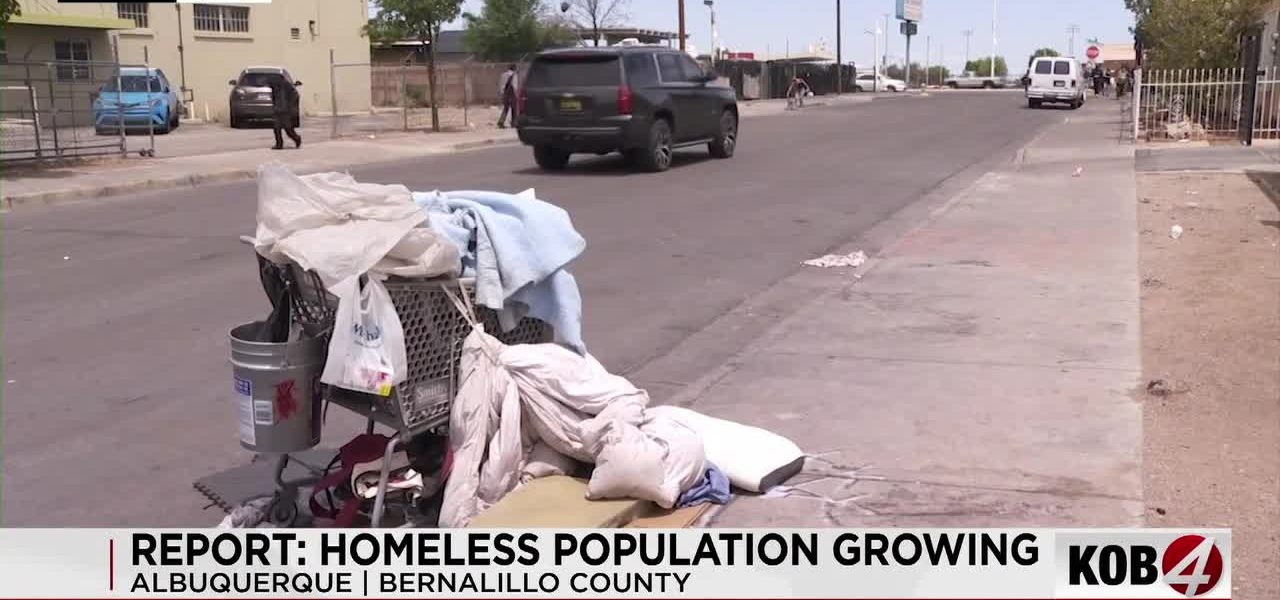
POLICY WIRE — Albuquerque, N.M. — It’s often the unspoken burden of any regional hub: offer a sliver of solace, a flicker of help, and you become the default destination for anyone needing it. For Albuquerque, that civic magnetism now tugs at an urban core already stretched thin, revealing a stark — and growing — homelessness crisis that city officials readily admit they’re struggling to contain. The city isn’t just witnessing a problem; it’s inheriting one, grappling with what many perceive as a regional failure.
A recently released state report didn’t just chart an uptick; it painted a grim, accelerating trajectory. Homelessness across New Mexico shot up, but Bernalillo County – where Albuquerque largely resides – saw its unhoused population effectively double in just two years. For Albuquerque itself? An alarming 83% spike. Think about that: almost twice as many people without a stable roof over their heads in a timeframe shorter than a single mayoral term. And this isn’t just numbers on a page. It’s lives, folks, shivering under highway overpasses, sheltering in wash arroyos, or just plain lost on our streets.
Local leaders, naturally, point to the usual culprits: the relentless march of housing costs, inflation gnawing at everyone’s wallet, wages that simply haven’t kept pace, and gas prices that make simply getting around an impossible calculus for many. But because that’s the easy, broadly palatable answer. What’s often overlooked, but bluntly acknowledged by officials like Jennifer McDonald of the city’s Health, Housing and Homelessness Department, is Albuquerque’s involuntary role as the last-resort host. “Our surrounding communities don’t have shelter or services,” McDonald stated recently, matter-of-factly, her voice reflecting a weariness familiar to front-line public servants. “So Albuquerque bears the brunt of that burden by being the one that has the services for people to go to.” It’s a cruel irony: provide support, and you amplify your own challenge. You’re effectively building your own crisis management factory for the entire region.
This report, identified as ALFC 051926 Item 7, lays it all bare: over 10,000 individuals found themselves without housing across New Mexico in 2022, primarily clustered in the state’s three major urban zones. Worse still, it estimates New Mexico needs an astonishing 40,000 additional rental units for low-income residents just to meet existing demand — a chasm of need that feels insurmountable. That statistic, from the state’s own official documents, screams desperation, echoing the housing shortages seen in developing economies striving to cope with rapid urbanization. One can draw uncomfortable parallels to the urban peripheries of Karachi or Lahore, where informal settlements balloon as millions flock to cities for work, overwhelming whatever planned infrastructure might exist. The underlying forces, believe it or not, aren’t so different. Bureaucrats in Dhaka face similar dilemmas in managing exploding populations and limited resources, just on a different scale, with different political textures.
“We’re building out new capacity,” McDonald insists, referencing the Gateway Center expansion — and new programs. “Our men’s program just opened in October. Our respite program just celebrated its year anniversary.” It sounds good on paper, doesn’t it? Progress. Motion. But it’s also like trying to bail out a leaky boat with a teacup when the waves keep getting higher. And the funding? “The economic factors are increasing faster than the funding to go in and fix the problem is coming in.” No sugarcoating it there.
📄 POLICY WIRE WHITEPAPER PUBLISHED: PAKISTAN'S NATIONAL SECURITY POLICY PRIORITIES
👉 READ BY CLICKING HEREBut there’s a distinct political undercurrent here, too. Councilman Mateo Ramirez, a long-time fixture on the city’s southwest side, didn’t mince words in a recent informal chat over coffee. “It’s easy for folks in Santa Fe or even our immediate neighbors to wag their finger about Albuquerque’s ‘problem,’” he mused, stirring his third sugar into a lukewarm cup. “But they’re not funding shelters, are they? They’re not building the recovery beds. We’re picking up the pieces while everyone else claims fiscal prudence. It’s an inconvenient truth, isn’t it? That for many, out of sight is out of mind.” Ramirez’s assessment, whether intended or not, reflects the deeply localized — and often inequitable — burden-sharing that defines social safety nets in America.
What This Means
Politically, Albuquerque’s spiraling homelessness figures put significant pressure on Mayor Tim Keller and the city council. The sheer optics of rising tent cities or visible encampments generate public outcry, forcing politicians into reactive — often short-term — solutions. Economically, the cost implications are vast. It’s not just the expense of shelters; it’s healthcare, policing, sanitation, and the opportunity cost of resources diverted from other critical urban infrastructure projects. this isn’t just an Albuquerque problem; it’s a New Mexico one. The reluctance of surrounding counties to establish or expand their own services effectively offloads their social responsibilities onto the state’s largest city, creating a systemic inequity that demands a more coordinated, state-level intervention. Without a robust, statewide housing strategy and fairer distribution of social service provisions, Albuquerque will continue to be both the humanitarian hub and the unwilling scapegoat. And the crisis, let’s be frank, isn’t going to just evaporate into the high desert air.