


Defiance in the Desert: Epstein Victim Memorial Vanishes, Again, in New Mexico Power Play
POLICY WIRE — SAN RAFAEL RANCH, N.M. — It’s not just a plot of land outside an infamous New Mexico ranch; it’s a battleground. And for the victims of Jeffrey Epstein, the ground keeps shifting. What...

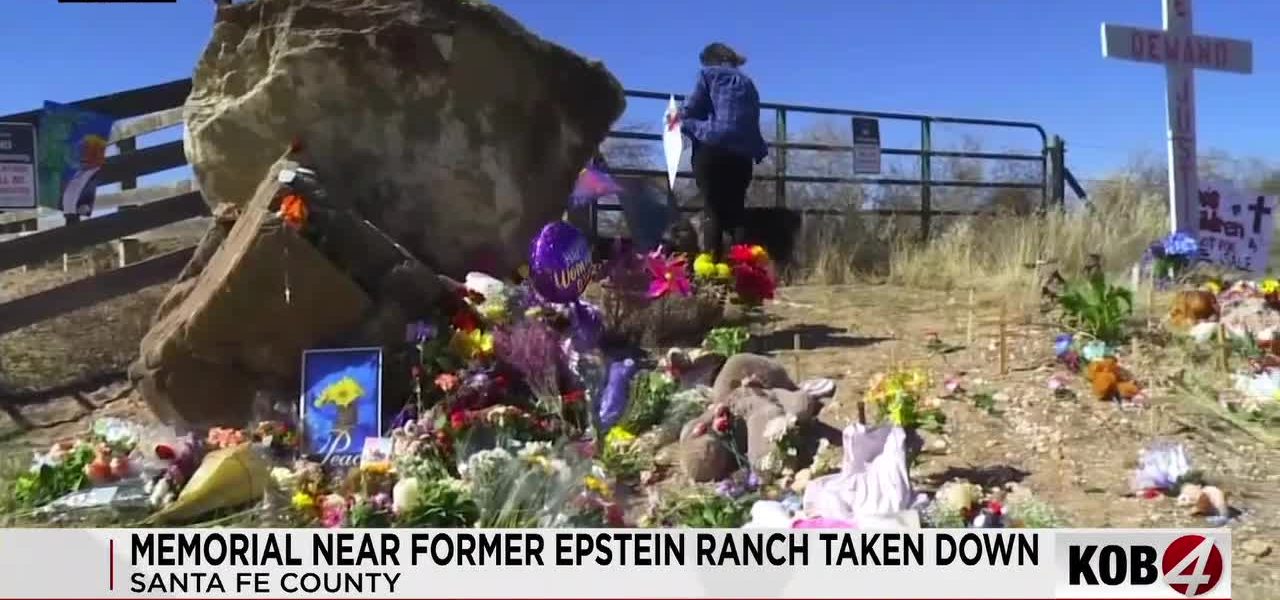
POLICY WIRE — SAN RAFAEL RANCH, N.M. — It’s not just a plot of land outside an infamous New Mexico ranch; it’s a battleground. And for the victims of Jeffrey Epstein, the ground keeps shifting. What was supposed to be a permanent, deeply-rooted tribute—five massive crosses cemented into the earth—has, for the second time, been summarily erased. A silent protest, yanked out by unseen hands, leaving a stark, empty patch where solemn remembrance stood.
Lisa Christopherson, a tenacious organizer, and her compatriots have spent years tending this solemn space near what was known as Zorro Ranch. They’ve adorned it with dolls, crosses, and signs, their tireless efforts aiming to let victims know they’re seen and heard, even in this remote stretch of high desert. But it seems some prefer silence. Somebody just doesn’t want these memories taking root. And frankly, it’s a bald-faced affront to the very idea of justice.
The latest iteration of this memorial, carefully crafted to endure, followed an explicit go-ahead from state authorities. Christopherson and her team even collaborated with the New Mexico Department of Transportation to make certain its placement was squarely within public purview. No ambiguities there. Yet, members of the Zorro Watchers—a group dedicated to keeping tabs on the ranch—noticed the memorial present on a Sunday morning. By Monday afternoon, it was gone. Just poof. Disappeared.
Christopherson didn’t mince words regarding the effort it took to dislodge the previous setup. “Somebody knows, somebody, I mean, because it’s a lot,” she shared, her voice carrying the weariness of a protracted fight. She detailed the brute force required, “It was five big huge crosses, they were cemented into the ground like several feet down, so somebody had to dig them up. Obviously, they didn’t leave them there, so somebody took all the stuff.” You don’t just stumble into five deeply-set crosses and decide on a whim to play excavator. This wasn’t a random act. It was deliberate.
The long-standing struggle over this memorial is, frankly, something else. But its repeated destruction highlights a systemic problem of powerful figures attempting to scrub away the messy aftermath of their actions. Because sometimes, when the justice system falters, a physical marker, a tangible sign of suffering, is all that remains. But even that, it appears, can be considered too much for certain sensibilities. And it’s not a struggle confined to the American Southwest; it’s a universal cry for accountability echoing from distant villages in Pakistan where victims of land barons or influential clerics often see their demands for justice ignored, their pleas silenced, and even their very memory threatened with eradication.
State Representative Tara Lujan, a Democrat from New Mexico, didn’t shy away from connecting the dots, stating that whoever orchestrated the removal might face charges. The legal framework exists; New Mexico possesses a law explicitly protecting *descansos*, roadside memorials—often simple, poignant tributes marking a place of death or tragedy. The legal avenue is clear. “For the desecration of what we saw there, and the repeated desecration, there are laws in New Mexico that protect the descansos, and this is clear to see that this is a repeated offense, and it is a misdemeanor, and perhaps we need to make that a more severe charge.” Her observation, a stark pronouncement, suggests that current penalties might not quite fit the egregious nature of these ongoing removals. A misdemeanor feels a tad light for what many perceive as an attempt to expunge history. But then again, a common tactic of the truly powerful is making sure legal consequences stay a mere slap on the wrist.
📄 POLICY WIRE WHITEPAPER PUBLISHED: PAKISTAN'S NATIONAL SECURITY POLICY PRIORITIES
👉 READ BY CLICKING HEREThe organizers, however, are far from defeated. You can’t quiet this kind of determination easily. Christopherson confirms that new plans are already afoot for even more enduring fixtures. “We want to have a memorial bench and a historical marker, so we’re pursuing that,” she stated, a clear message that their resolve hasn’t been diminished, merely hardened. A vigil is scheduled for Saturday at 11 a.m., ensuring the narrative of memory will continue to be written, one defiant gathering at a time. The pushback isn’t merely about wood and concrete; it’s about holding space for truth when others desperately want it gone.
Indeed, a 2021 study published by the Journal of Family Violence highlighted that child sex trafficking cases often present significant challenges in securing justice, with only a fraction leading to convictions globally. This illustrates just how difficult it’s to get official recognition and accountability, let alone maintain a physical testament to victims’ suffering, making the fight for this memorial even more poignant.
What This Means
This incident transcends a simple case of vandalism; it’s a skirmish in the ongoing war for narrative control surrounding Jeffrey Epstein’s dark legacy. The repeated obliteration of the memorial isn’t just disrespect to the victims; it’s a brazen exhibition of power—a declaration from shadowy forces that some memories are too inconvenient, too damning, to be tolerated. Politically, this plays into a wider pattern of resistance against accountability for elites. In regions like Pakistan or other parts of South Asia, the families of victims often find themselves similarly pitted against formidable, almost untouchable adversaries—landlords, industrialists, or political scions—whose influence can manipulate local law enforcement and obscure justice. The shared experience, despite the vast geographical divide, is a chilling reminder of how wealth and connection can weaponize systems and attempt to erase suffering.
Economically, this sort of erasure tactics often comes with a steep, unspoken price tag. Maintaining the narrative that nothing happened or that certain individuals are above reproach safeguards networks of privilege, protecting their financial interests and social standing. If the memory of Epstein’s crimes is literally removed from the landscape, it’s easier to forget, easier for the beneficiaries of such corruption to continue unmolested, and easier for the legal systems meant to uphold justice to remain underfunded or subverted. This battle for a small New Mexico roadside memorial, therefore, mirrors global struggles against entrenched power structures, where the smallest symbols of truth often become the most contested territory. And until genuine accountability is ensured, these skirmishes will undoubtedly continue, stretching the patience and resolve of advocates to their very limits.