


IPL Prodigy Ignites Subcontinental Debate: A Teen’s ‘Boom Boom’ Echoes Across Borders
POLICY WIRE — NEW DELHI — The venerable institutions of international cricket, perpetually seeking the next big headline, recently got one—blunt, jarring, and unapologetically loud. It...

POLICY WIRE — NEW DELHI — The venerable institutions of international cricket, perpetually seeking the next big headline, recently got one—blunt, jarring, and unapologetically loud. It arrived not from an established titan but from a kid barely old enough to vote, wielding a bat with the conviction of a veteran assassin. But it wasn’t just the staggering number of runs that registered; it was the audacious comparison made by a former Pakistani maestro, igniting a familiar, fiery debate that spills far beyond the boundary ropes.
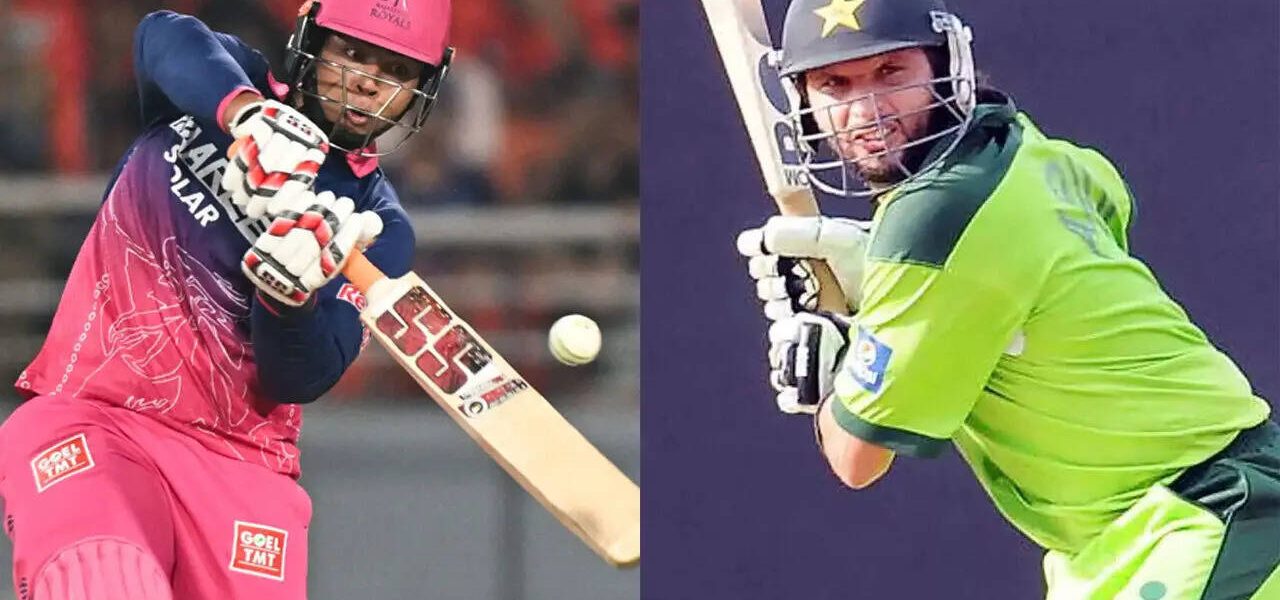
Vaibhav Sooryavanshi, 15, of the Rajasthan Royals, ripped through the Sunrisers Hyderabad in the IPL 2026 Eliminator with a bludgeoning 97 off a mere 29 deliveries. This wasn’t simply a good innings; it was a brazen statement, a slap across the face of cautious conservatism that sometimes plagues the sport. His performance, raw and elemental, catapulted him from relative obscurity to a household name quicker than a bouncer to the grille.
Yet, it was Mohammad Yousuf, the elegant former Pakistani batsman, who inadvertently dropped a tactical grenade into the conversation. His offhand comment on X — that Sooryavanshi, with his “young, fearless, explosive, full of energy” style, reminded him of a “young Shahid Afridi” — transcended a simple compliment. It was a comparison laden with meaning for a subcontinental audience, referencing Afridi’s polarizing, yet electrifying, ‘Boom Boom’ legacy.
But can we really expect such precocious talent to endure? History, we’re often told, doesn’t just rhyme; it echoes, sometimes ominously. Pakistan, of course, has its own history with fiery young players — sometimes brilliance, sometimes fleeting flashes. This parallel, drawn by one of their own, resonates deeply.
The numbers from that particular maelstrom of an evening speak for themselves. Sooryavanshi battered 12 sixes — and five fours, maintaining a frankly ridiculous strike rate of 334.48. He became the first uncapped batter to score 680 runs in an IPL season, shattering the previous record of 625 set by Yashasvi Jaiswal in 2023. These aren’t just statistics; they’re testament to a young man rewriting the rulebook in real-time. He also surpassed Chris Gayle’s long-standing IPL record for most sixes in a single edition, notching 65 in total. And people thought T20 cricket had peaked?
It’s easy for us journalists, safely ensconced behind keyboards, to dissect — and prognosticate. But what does it feel like for the individuals involved? Rajasthan Royals captain Riyan Parag, pragmatic in his assessment, suggests the best approach is often the least intrusive. “We don’t have any conversations; just leave him alone. We give him a lot of batting practice and he does his thing,” Parag stated, perhaps hinting at the fragile ecosystem surrounding sudden stardom.
📄 POLICY WIRE WHITEPAPER PUBLISHED: PAKISTAN'S NATIONAL SECURITY POLICY PRIORITIES
👉 READ BY CLICKING HEREEven Yousuf, later clarifying his remarks through a more formal channel, underlined the pressure. “The expectation placed on a talent like Vaibhav is immense. He has a brilliant future, but the challenges of maintaining such a peak, especially in a relentless league like the IPL, are monumental,” the former captain was quoted as saying, reflecting a nuanced understanding of a burgeoning career’s double-edged sword. It’s never just about hitting the ball anymore; it’s about navigating an entire media circus.
What This Means
This saga, with its youthful hero and its Pakistani connection, isn’t just a sports story; it’s a reflection of deeper societal shifts in the South Asian sporting landscape. For India, it’s a validation of its robust cricketing infrastructure — the IPL’s relentless talent-scouting, its economic prowess funneling millions into development. For Pakistan, and indeed the broader Muslim world, the recognition from an icon like Yousuf, and the parallel drawn to Afridi, speaks to a shared cultural fabric woven by sport. These narratives don’t just entertain; they contribute to soft power, fostering connections and rivalries that often eclipse diplomatic initiatives. Think about how cricketing ties between nations sometimes ease tensions more effectively than formal dialogues. The sheer financial muscle of leagues like the IPL also means young athletes are being minted into millionaires before they’re legally adults, altering career paths and setting new benchmarks for earning potential in a region hungry for success stories. The power of this soft diplomacy through sport cannot be underestimated, particularly as global narratives become increasingly competitive.
And yes, the question lingers: Is Vaibhav Sooryavanshi truly the next Afridi, or simply a meteoric flash in a crowded firmament? Only time — — and a lot more incredibly brave hitting — will tell. But for now, the future of cricket, for better or worse, just got a lot more exciting. Maybe a little terrifying for bowlers too.