


The Ember’s Whisper: A Global Blight on Childhood Dreams
POLICY WIRE — Nairobi, Kenya — The collective sigh of relief, often exhaled by parents as their children return to the structured sanctuary of a school, is a luxury not uniformly distributed across...

POLICY WIRE — Nairobi, Kenya — The collective sigh of relief, often exhaled by parents as their children return to the structured sanctuary of a school, is a luxury not uniformly distributed across the globe. For families in parts of Kenya—and, frankly, in countless other nations where dreams collide with infrastructure—that sanctuary can morph, horrifyingly, into a final, suffocating embrace. It’s not just a school, you see. It’s a promise, often the sole beacon of escape from poverty. When that promise turns to ash, the trauma ripples far beyond the immediate, tragic blaze.
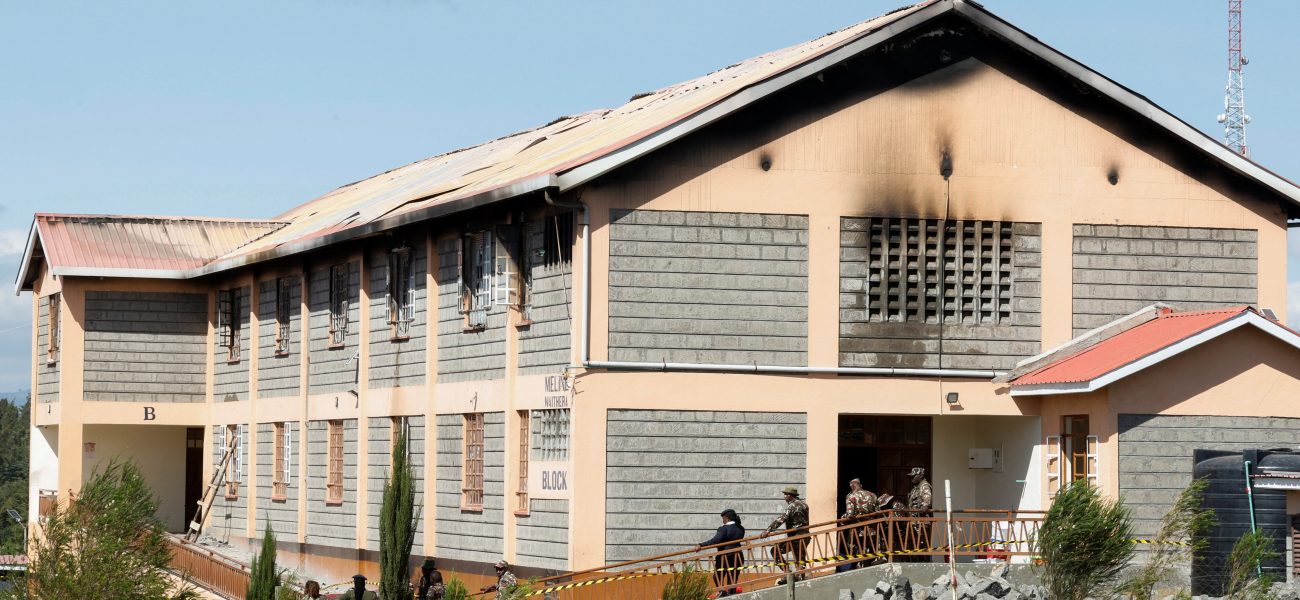
It was a harrowing pre-dawn horror that ripped through a girls’ boarding school dormitory near Nairobi last week. You hear the stories, always the same cadence: smoke, screams, the desperate scramble in the dark. And then, the silence, broken only by sirens and the gut-wrenching realization that sixteen young lives—bright-eyed girls, full of chatter and homework — simply ceased to exist. They perished not in some far-off conflict zone, but in what was supposed to be a safe haven. It’s a tale of bureaucratic indifference and economic squeeze that’s repeated, with ghastly regularity, from the dusty plains of Africa to the bustling, often overcrowded, urban centers of South Asia.
“We’re absolutely heartbroken,” intoned Kenya’s Education Minister, Ezekiel Machogu, his voice appropriately somber, a familiar refrain echoing from officialdom. “An exhaustive inquiry is underway, and those responsible for this unimaginable lapse in safety will be held to account. We owe these girls — and their families — nothing less than justice.” Because, really, what else can a minister say when a regulatory system he oversees so demonstrably failed? But accountability, often, feels like a revolving door in these situations. Investigations are launched, promises are made, and then—life, tragically, goes on, until the next incident.
These weren’t isolated bedrooms in a secure private residence. This was a communal dorm, a budget-conscious, often crammed solution to provide education, sometimes the only option for girls whose families live miles from day schools. We’re talking about basic safety mechanisms, or rather, the stark absence of them. Emergency exits boarded up? Faulty wiring in antiquated buildings? Inadequate fire drills? Check, check, and check—all familiar characters in this recurring tragedy.
And it’s not a Kenyan phenomenon, this brittle dance with danger. Consider the plight of children in similar settings, from Pakistan’s sprawling urban madrasas to India’s overcrowded, often decrepit, state-run schools. Dr. Amina Rahman, a prominent child rights advocate with extensive experience across the Muslim world and South Asia, didn’t mince words. “These aren’t isolated incidents. From Nairobi to Lahore, countless children attend institutions where basic safety is a luxury, not a right,” she told Policy Wire. “It’s a cruel gamble with young lives, fueled by a chronic lack of political will — and investment. The common thread isn’t geography; it’s neglect.” It’s a global indictment.
📄 POLICY WIRE WHITEPAPER PUBLISHED: PAKISTAN'S NATIONAL SECURITY POLICY PRIORITIES
👉 READ BY CLICKING HEREBut the numbers speak volumes too, if anyone’s truly listening. According to UNICEF data, over 50% of schools in low-income countries lack adequate basic water, sanitation, and hygiene facilities. That’s a telling indicator of broader infrastructure deficiencies that frequently include — and I can’t stress this enough — nonexistent fire safety protocols and building code enforcement. It’s a statistic that doesn’t just refer to leaky taps, it signals a systemic disregard for the well-being of the very foundation of a nation’s future: its youth.
What This Means
This tragedy, like so many before it, isn’t simply a matter of a building catching fire. It’s a stark, smoldering indictment of a tiered global system where children’s lives are valued differently based on national GDP or development indexes. The girls who perished weren’t just students; they were casualties of a policy landscape that consistently deprioritizes safety regulations and proper infrastructure investment in educational institutions, especially in cash-strapped public sectors or under-regulated private ones. This incident will — briefly — reignite calls for stricter oversight, sure. It’ll trigger an uncomfortable spotlight on inadequate funding models for schools. But here’s the rub: without sustained political pressure and genuine public outrage, such promises are often ephemeral, dissipating with the smoke. It puts countries like Kenya, struggling for development, into an uncomfortable juxtaposition with global aid donors and investment frameworks. It says: you’re not just building schools; you’re often building death traps if corners are cut on critical safety. The stakes in education, already high as evidenced by systemic issues elsewhere, become unconscionably deadly.
For parents across Africa, and indeed throughout much of the Global South, sending a child, especially a daughter, to boarding school represents a sacrifice, a leap of faith that the institution will safeguard their precious ones better than the perils at home. This incident doesn’t just shatter individual families; it corrodes public trust in state institutions and casts a chilling shadow over the very promise of upward mobility through education. And if you think the political implications aren’t profound, consider the long-term erosion of legitimacy for governments that can’t even guarantee a basic, safe learning environment for their youngest citizens. The capital flowing in international markets often overlooks such domestic structural decay, preferring the high-stakes gambles of business deals to the sober investment in human capital’s basic survival. It’s a somber reminder that true development starts with safeguarding life, not just fostering economies.