


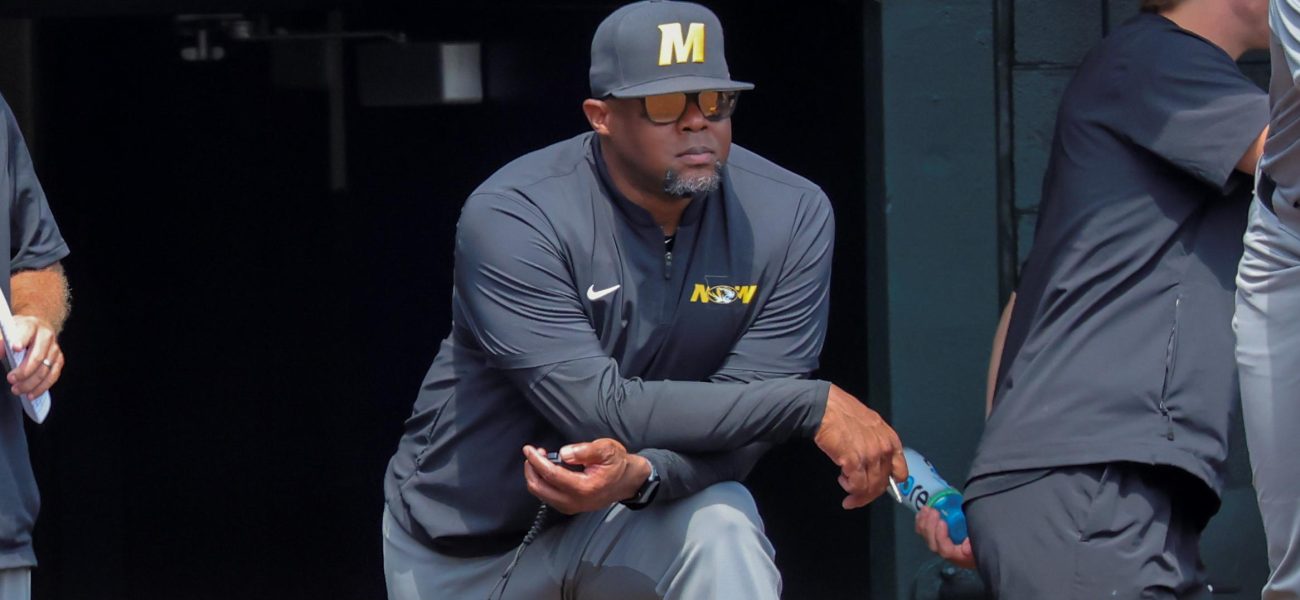
Missouri Baseball: The Art of Surviving with a Super Soaker in an SEC Bazooka Fight
POLICY WIRE — Columbia, MO — Being handed a Super Soaker when the competition’s sporting bazookas isn’t just a metaphor for collegiate athletics; it’s practically etched onto the dugout walls of...

POLICY WIRE — Columbia, MO — Being handed a Super Soaker when the competition’s sporting bazookas isn’t just a metaphor for collegiate athletics; it’s practically etched onto the dugout walls of Mizzou Baseball. This past season, against all odds—and a conference schedule designed to obliterate less-resourced programs—the Tigers didn’t just survive the Southeastern Conference’s relentless shooting gallery; they even nicked a few targets. A 24-31 overall record, coupled with a meager 6-24 in SEC play, hardly screams triumph. Yet, in the brutal, high-stakes arena of NCAA Division I baseball, where coaches often have shorter shelf lives than yesterday’s digital news cycle, Missouri’s Kerrick Jackson held onto his job. And that, sports fans, is arguably the real headline.
It’s not just about the numbers, which certainly don’t flatter. It’s about what those numbers conceal: a system so rigged that merely showing signs of life is celebrated. Jackson’s Tigers, battered by a previous season rife with injuries and position shifts, scraped together a doubled win tally in conference play this year, securing rare series victories against Kentucky and Vanderbilt. They even managed to beat Arkansas for the first time since 2022. Small mercies, perhaps, but enough to offer a lifeline to the coaching staff, even if the team did crash out of the SEC Tournament with a resounding 12-2 thud.
Retaining Jackson for a fourth season feels less like a vote of overwhelming confidence and more like a calculated capitulation to the bottom line. Let’s be blunt: a reported $1.1 million buyout clause probably did a lot of the heavy lifting. University administrators, particularly those managing athletic department coffers, aren’t keen on writing checks for past ambitions. Because, ultimately, what are they truly paying for? A slow, arduous build, Jackson insists.
“We’re not laying sandcastles here, we’re pouring concrete and steel,” Jackson stated in a recent press briefing, echoing sentiments he’s maintained all season. “It takes time, it takes patience, — and yeah, it takes more than a few sleepless nights. You don’t judge the foundation by how fast the first floor goes up, do you? You judge it by whether it stands firm under pressure.” That’s a noble sentiment, sure. But patience isn’t a currency typically traded in the SEC.
The hard truth? Mizzou’s baseball infrastructure, stadium — and all, pales in comparison to its conference rivals. Joe Healy, an astute observer from D1 Baseball, once memorably quipped that everyone associated with Mizzou baseball “has been sent into a gun fight with a Super Soaker.” That assessment, though harsh, holds weight. The SEC, an athletic leviathan, boasts an incredible concentration of talent and resources; as Healy highlighted, 10 of the nation’s top-25 teams in college baseball hail from this very conference. This isn’t just about regional dominance; it’s a microcosm of the geopolitical stratification of global sports, where massive capital inflow concentrates talent in specific, unassailable power centers. You won’t find teams from developing nations, say, those aspiring to create world-class cricket or field hockey programs in Pakistan or Bangladesh, facing such brutally lopsided financial odds within their own league structures. The comparison underscores an almost absurd disparity. What about competitive equity, then?
“Look, nobody’s denying the need for enhanced resources, the athletic director’s office said. Our commitment to all our student-athletes, including baseball, is unwavering. But frankly, the landscape dictates a lot. It’s an arms race out there. You see programs building Taj Mahals for their batting cages. We’re trying to win with what we’ve got, — and Coach Jackson is demonstrating a real knack for doing just that.”
That said, even the limited successes of the 2026 campaign couldn’t staunch the flow of talent out of Columbia. Chris Patterson, an infielder with two years of experience, entered the transfer portal. Pitcher Keagen Kohlhoff, whose stints on the mound were sporadic at best, followed suit. Then came Kadin Muckley — and PJ Green, further depleting the pitching corps. Adding insult to injury, hitting coach Bryson LeBlanc, a former Mizzou player himself, isn’t returning for 2027. This rapid fire exodus reveals a harsh reality: improvement, no matter how hard-won, doesn’t buy loyalty or insulate against better opportunities.
What This Means
This saga isn’t just about college baseball; it’s a raw, unfiltered look at the economic forces shaping modern sports. The decision to retain Jackson, despite a lackluster record, signifies a tactical retreat, a short-term fiscal play to avoid an expensive payout while hoping for a longer-term turnaround. Politically, it signals to alumni and boosters that the athletic department values stability, even if it’s a stability born of necessity, not outright achievement. Economically, Mizzou’s predicament highlights the accelerating chasm between the SEC’s haves — and have-nots. They’re stuck in an escalating arms race they can’t afford, battling programs with budgets that dwarf theirs. This isn’t just about facilities or recruiting budgets; it’s about institutional priorities and the sheer capital required to compete at the very top. The constant talent drain to the transfer portal suggests that individual athletes, like skilled migrants seeking better prospects, prioritize immediate personal advancement over institutional loyalty—a transactional model becoming the new normal in high-stakes amateur sports.
While Kam Durnin’s .329 batting average and 11 stolen bases or freshman Blaize Ward’s .667 performance against Kentucky offer glimpses of promise, these bright spots are overshadowed by a larger, systemic challenge. Because if you’re not investing at the same dizzying pace as your competitors, you’re not just treading water; you’re actively falling behind. It’s a slow-motion unraveling, where even the most dedicated coaches and talented players can only do so much with a Super Soaker when the enemy is armed to the teeth.