


Coral Courts and Contempt: A Tourist’s Tropical Tribulation Unfurls
POLICY WIRE — Honolulu, Hawaii — For generations, the Hawaiian monk seal, an ancient mariner and one of the world’s most endangered pinnipeds, has navigated the...

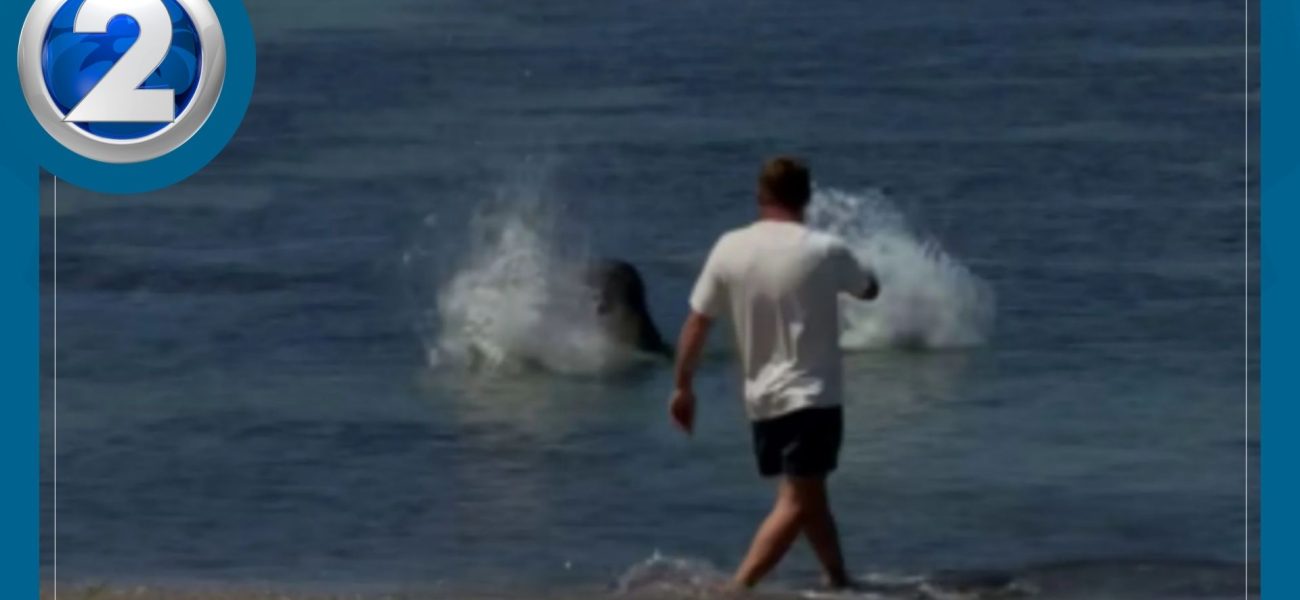
POLICY WIRE — Honolulu, Hawaii — For generations, the Hawaiian monk seal, an ancient mariner and one of the world’s most endangered pinnipeds, has navigated the archipelago’s pristine waters with a quiet grace, largely untouched. But their serene existence got a jarring, very human, interruption recently. This wasn’t some scientific expedition gone awry or a desperate search for sustenance; it was a holidaymaker, apparently engaging with one of nature’s rarest creatures in a manner deemed quite less than respectful by federal law.
It’s an image that grates: an organism older than Hawaii’s statehood, facing down a legal battle initiated by a brief, careless interaction. A visitor from Washington — and it’s always interesting, isn’t it, how global currents bring the prosaic challenges of domestic tourism to such remote, delicate ecosystems — has entered a plea of not guilty. This isn’t about a casual selfie gone sideways. The case, colloquially termed the “rock case”, suggests a rather more direct, aggressive engagement with a protected animal. This man isn’t just dealing with local authorities; he’s grappling with the implications of the Marine Mammal Protection Act, which isn’t exactly light reading for a vacation. [QUOTE_PLACEHOLDER]
Because, really, when you’re talking about creatures whose lineage stretches back millions of years, whose total population barely nudges above a thousand, a little respect shouldn’t be too much to ask. NOAA Fisheries, the federal agency tasked with protecting these critically endangered animals, estimates the total Hawaiian monk seal population stands at approximately 1,600 individuals. That’s not many, is it? Each interaction, therefore, holds considerable weight, both ecologically — and symbolically. You don’t just “mess around” with history.
The alleged incident, specifics of which remain somewhat shrouded given the ongoing legal proceedings, has landed the tourist in hot water — so hot, in fact, he’s currently barred from all Hawaii beaches. It’s a striking pre-trial restriction, almost like a temporary internal exile, ensuring no further untoward encounters while the wheels of justice grind on. He faces federal misdemeanor charges. That’s not the kind of souvenir most folks plan on taking home from their tropical getaway. The irony is, he came to experience a paradise, — and now he’s barred from its most defining feature.
But this isn’t just a Hawaiian problem, or an American tourist issue. Think about it: the tensions between enthusiastic, often unwitting, tourists and vulnerable local ecosystems or cultures echo globally. Consider Pakistan, for example. Its coastline, stretching over a thousand kilometers, houses rare marine life like the Indus River Dolphin — an equally vulnerable freshwater mammal struggling against human encroachment and pollution. Or the majestic Snow Leopard in the northern mountains, facing habitat loss — and poaching. There’s a parallel, isn’t there, in how human actions, whether intentional disturbance or incidental byproduct of our presence, constantly chip away at fragile natural balances? The very concept of amanat, or “trust” in Islamic tradition, extends to the stewardship of creation — a profound responsibility that often feels lost in the modern pursuit of leisure or novelty.
And so, this isolated case on a distant Pacific isle suddenly feels less isolated. It highlights a universal dilemma: how do you manage humanity’s boundless wanderlust without inadvertently destroying the very things that make these destinations so appealing? The plea of not guilty suggests a dispute over facts, intent, or perhaps an interpretation of human-wildlife boundaries. Whatever the outcome, the legal battle itself acts as a stark, somewhat uncomfortable reminder of our place — and our obligations — in the wider, wilder world.
📄 POLICY WIRE WHITEPAPER PUBLISHED: PAKISTAN'S NATIONAL SECURITY POLICY PRIORITIES
👉 READ BY CLICKING HEREWhat This Means
This incident, small in its direct scale, carries considerable ripple effects for Hawaii’s critical ecotourism industry and its conservation efforts. A high-profile case, even for a misdemeanor, shines an uncomfortable spotlight on visitor behavior and local regulations. For one, it serves as a stern, if circuitous, public service announcement to future tourists: leave the wildlife alone. Full stop. The perception of reckless tourists, especially those from Western nations, can sometimes breed resentment in host communities, impacting an industry vital to the local economy.
Economically, fines and legal costs associated with such infractions can bolster conservation funds, which are chronically underfunded. But the damage to reputation, both for the individual — and potentially for tourist cohorts, is harder to quantify. Policy-wise, incidents like this might spur discussions on clearer signage, more stringent educational campaigns for visitors, or even expanded enforcement presence in protected areas. Because, let’s be honest, people sometimes need more than a polite suggestion; they need a tangible deterrent.
From a broader lens, connecting to Pakistan or the developing world, such incidents also spark debates about global standards for wildlife protection and tourism ethics. Richer nations often have stricter environmental laws — and greater resources for enforcement. But as global tourism expands, the onus increasingly falls on visitors to respect local environmental laws, regardless of their origin. It’s not just about what’s legal; it’s about a mutual, respectful coexistence between diverse cultures and the invaluable, irreplaceable creatures we share this planet with. This “rock case” isn’t just about one tourist, one seal, or one rock. It’s about setting a precedent for responsible interaction in an increasingly fragile world.