


Fleeting Deluge, Persistent Parched Earth: New Mexico’s Delicate Dance with Scarcity
POLICY WIRE — ALBUQUERQUE, N.M. — For New Mexico, the skies often dole out moisture like a reluctant banker—a drip here, a drop there, usually just enough to keep the dreams of green...

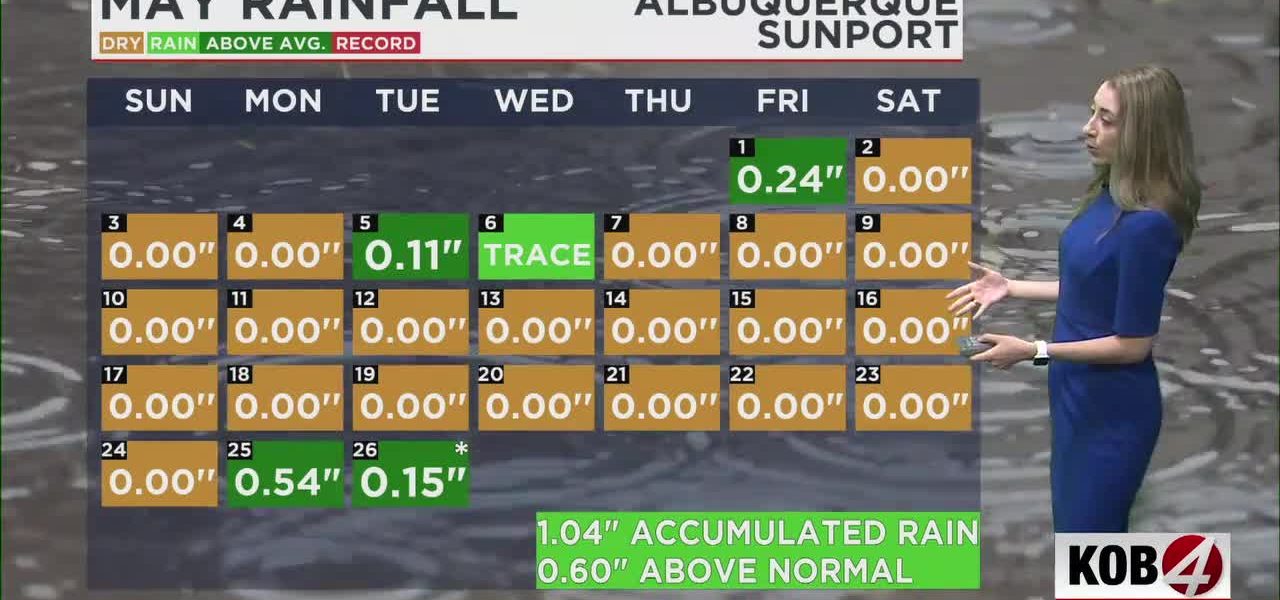
POLICY WIRE — ALBUQUERQUE, N.M. — For New Mexico, the skies often dole out moisture like a reluctant banker—a drip here, a drop there, usually just enough to keep the dreams of green alive. But in a peculiar twist this May, the state found itself, momentarily, on the wet side of average. Don’t pop the champagne corks just yet, though. That statistical blip, a fleeting deluge after relentless dry spells, feels more like a mirage for most, a deceptive puddle in the vast desert of the American Southwest’s long-term water woes. And really, anyone who’s lived here more than a year or two knows one good rain doesn’t break a drought.
It’s Wednesday, — and the narrative has already shifted, like sand in a stiff breeze. The recent rain? It’s largely gone, evaporated into thin air, leaving vast swathes of the state—the central and western regions—to bake under a sun that promises highs in the 70s and 80s. But for folks clinging to the far northeastern corners, from San Miguel up to Colfax, and pushing east toward Union and Quay counties, there’s still some churn. A low-pressure system is throwing out scattered showers and the occasional thunderclap, a temporary, albeit critical, reprieve for a land perpetually thirsty.
Meteorologist Amanda Goluszka, bless her optimistic heart, noted an above-average May rainfall. An anomaly, she conceded, won’t last forever. That’s a stark truth in a state where water—its scarcity, its distribution, its very presence—drives almost every significant policy debate. The land here doesn’t just need rain; it needs sustained, thoughtful, utterly systemic rehydration, something meteorology, even with its best intentions, can’t promise.
“We’re grateful for every drop, of course, every single one,” Governor Michelle Lujan Grisham told Policy Wire, her voice conveying that familiar blend of relief and caution New Mexico leaders always seem to carry when discussing weather. “But we’re not foolish. One month doesn’t undo years of drought or shift the long-term forecasts. We have to keep our focus on conservation, on managing every last acre-foot, and investing in sustainable water infrastructure.” It’s the kind of quote you hear pretty much annually, a political incantation against the sun god.
Even with localized downpours, like those expected to give Clayton up to half an inch, triggering marginal flash flood risks, it’s a tricky game. These aren’t verdant plains. These are soils that have spent seasons, sometimes years, parched to a crisp, only now receiving a concentrated drenching. That doesn’t necessarily mean deep aquifer recharge; it means potential runoff, erosion, and a fleeting surface moisture that burns off faster than you can say ‘dust bowl.’ Because these systems are so marginal—Clayton and parts of Union County are technically still experiencing exceptional drought, the most severe category, according to the U.S. Drought Monitor’s latest reports (as of May 21, 2024)—even a splash can feel overwhelming for ground ill-equipped to absorb it.
And so, as the central and western counties look forward to a dry stretch, the northeastern quadrant continues its damp, mild vigil. The meteorological tale here is one of stark, almost ironic, contrast—a fleeting gift of rain, a perpetual hunger for more, always more. It’s a land where water is both a blessing — and a relentless source of anxiety.
📄 POLICY WIRE WHITEPAPER PUBLISHED: PAKISTAN'S NATIONAL SECURITY POLICY PRIORITIES
👉 READ BY CLICKING HERE“You watch the clouds, every single day,” said Miguel Chavez, a third-generation pecan farmer from southern New Mexico, his tone weathered like his land. “One week it’s ‘we’re doing good,’ the next you’re watching your yields dry up. We can’t depend on luck, we just can’t. The state needs real, long-term plans for this water—plans that stick, not just reactions to the last storm.” It’s a common sentiment out here, a quiet despair barely masked by arid resilience.
What This Means
The brief respite in New Mexico’s rainfall doesn’t signal a turnaround, politically or economically. It’s a band-aid on a gaping wound. For agriculture, especially those sectors dependent on irrigation like pecans and alfalfa, these intermittent showers barely register against the specter of reduced reservoir levels and diminished snowpack from the Rockies. Farmers are staring down increasingly tough decisions about crop selection and herd sizes, impacting the state’s agricultural output—which, it’s worth remembering, contributes nearly $3 billion annually to the economy, despite the water challenges. And those impacts, they ripple far — and wide.
Politically, the conversation around water rights, allocation, and interstate compacts—often a zero-sum game with downstream states like Texas and California—will intensify, not diminish. Governor Lujan Grisham’s administration is already grappling with federally mandated water cutbacks, a political hot potato. The temporary moisture doesn’t give them breathing room; it merely highlights the desperate need for sustainable policies and infrastructure investments. It underscores how deeply water scarcity here is tied to national conversations around climate resilience and adaptation. Indeed, New Mexico’s dilemma echoes across the globe in other arid — and semi-arid regions. Think about Pakistan, for example, a nation deeply vulnerable to glacial melt — and unpredictable monsoon shifts. They grapple with either devastating floods or crippling drought, sometimes within the same season—a magnified version of New Mexico’s capricious weather patterns. Their battles for water security, or even reliable energy stability in arid lands, serve as a stark global comparison for what often feels like a localized New Mexico problem. The stakes are immense, and they’re only climbing.