


Red Tape Corral: New Mexico’s Mini-Cow Fiasco Reveals Deeper Bureaucratic Quagmire
POLICY WIRE — Albuquerque, United States — For Brittany Cox, it started with a routine state-mandated paperwork shuffle. A mother preparing for a family relocation from New Mexico to Texas, she...

POLICY WIRE — Albuquerque, United States — For Brittany Cox, it started with a routine state-mandated paperwork shuffle. A mother preparing for a family relocation from New Mexico to Texas, she dutifully contacted the New Mexico Livestock Board for an inspection, believing it was the bureaucratic nicety for moving her companions across state lines. What followed, however, wasn’t mere paper pushing; it became a sharp, unwelcome lesson in the arbitrary power of regulations—and the quiet terror they can unleash on ordinary lives. Cox’s battle to reclaim two mini-cows, seized with stunning speed, quickly morphed from a personal crisis into a minor bureaucratic spectacle, illustrating how impersonal rules can trample genuine human connection.
It’s a story not of grand political machinations, but of minute, bewildering administrative rigor. Cox had bought her miniature cattle in 2023, she said, acquiring them from a friend. She’d even thought they were branded, a commonplace assumption in a region where livestock identification is an entrenched practice. But as state inspectors descended upon her home that Sunday—not to process paperwork, as she’d anticipated, but to render a verdict—the details suddenly mattered a whole lot more. [QUOTE_PLACEHOLDER] Cox recounted, a phrase dripping with the dismissive finality of officialdom.
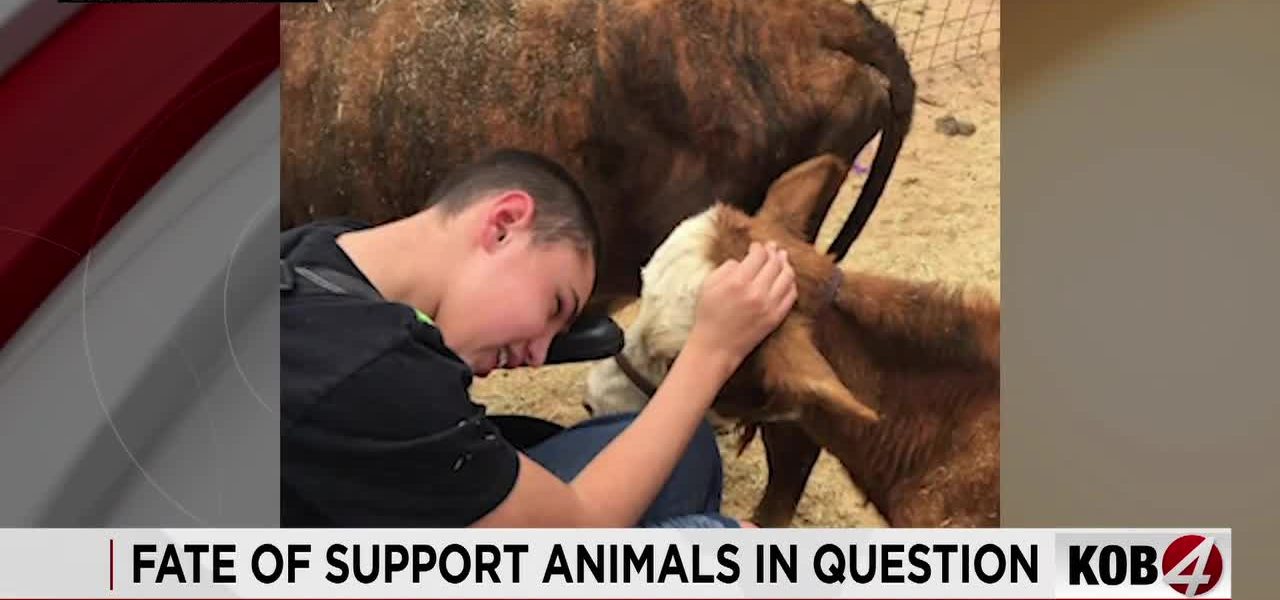
These weren’t just any cows; they were a sanctuary. Cox told officials the animals weren’t for ranching or business; they were companions for her blind — and disabled son. “So his biggest joy is to go outside when it’s cool and visit the animals, the horses, the cows,” she explained, painting a vivid picture of quiet domesticity. He’d even learned to bottle feed one of the calves—a formative, tender experience. “I mean, I got pictures of him hugging his cow when we first got her, and I’ve got another picture of the baby cow laying in bed with him. So he adores these cows.” It’s a connection many across cultures understand; a child and an animal, a bond both simple and profound.
Despite her heartfelt plea and claims of ownership, backed by bills of sale—Cox stressed, “We had all the bill of sales. Like we had everything,”—the livestock board representatives saw only procedural non-compliance. The cattle, unbranded, were deemed in violation. Seizure was immediate. The chilling kicker? She was told they’d be auctioned off, possibly as soon as Wednesday, destined for slaughter. The sheer speed, the apparent callousness, struck hard. “So they’re going to be sold for meat and they’re going to be slaughtered,” Cox agonized, her words laced with raw dread. “And like these, yeah, I’ve been crying for days because I know where they go. If I don’t, if I’m not able to bid and win that bid, then they’re going to be sold for meat because they are half, they’re half dairy cows, half meat cows. And they’re, they’re pretty, I mean, I fed them very well.” It wasn’t about the cows’ eventual market value; it was about their very lives.
But then, a glimmer. As local media, KOB 4, pressed the story, a policy U-turn seemed imminent. The livestock board, having absorbed both the public outcry — and Cox’s evidence, confirmed her ownership. The mini-cows were, mercifully, returning home. For now. This particular saga had a happy—or at least non-tragic—ending. But it pulls back the curtain on a system where compassion sometimes gets lost in the labyrinth of regulations, requiring a very public intervention to course correct.
What This Means
This incident, seemingly a quaint, isolated hiccup involving miniature bovine, is far from inconsequential. It’s a textbook illustration of state bureaucracy’s blunt instrument approach to enforcement, often blind to nuance, circumstance, and, most critically, human impact. In the US, for instance, only about 16 states have comprehensive mandatory statewide branding laws for all cattle, according to agricultural census data, highlighting the patchwork and often localized nature of these regulations. New Mexico, with its history of extensive ranching, falls on the more stringent end of that spectrum, though its application here raised eyebrows. It’s an example of how ‘policy,’ ostensibly designed for order and disease control, can, when applied without context or humanity, become punitive.
Economically, the seizure and potential sale of private property based on administrative oversight—even if ultimately reversed—exposes citizens to financial loss and deep emotional distress. The implication that livestock, regardless of their role as companion animals, can be swiftly converted to commodity highlights the often-stark legal divide between ‘pets’ and ‘property’ in many jurisdictions. It makes one wonder about the preparedness of governmental bodies for dealing with the evolving roles of animals in modern family life, moving beyond purely agricultural frameworks.
And these kinds of dilemmas, strangely enough, resonate far beyond the American Southwest. Think of the intricate, often informal, networks of livestock ownership and transfer that sustain countless rural communities across South Asia or the broader Muslim world—regions where state record-keeping can be sparse and cultural practices around animal husbandry are ancient and deeply personal. In Pakistan, for example, cattle trading often relies on established community trust and traditional documentation methods, rather than centralized branding registries. A similarly zealous, unnuanced application of Western-style, industrialized livestock branding laws there could easily decimate informal economies and tear apart families’ animal companions, underscoring a global challenge: how do states regulate efficiently without crushing the lived realities of their citizens? This wasn’t some organized crime syndicate’s cattle rustling, but a mother trying to follow the rules—and nearly losing her child’s emotional anchors to the merciless churn of regulations. But they were retrieved—that’s something. But what about the ones who aren’t so fortunate, or don’t have a local news crew advocating their cause?