


Population Paradox: Modi Allies Push for Bigger Families Amid Demographic Surge
POLICY WIRE — New Delhi, India — The irony isn’t lost on anyone watching. Just as India recently nudged past its northern neighbor to claim the title of the planet’s most populace nation, with a...

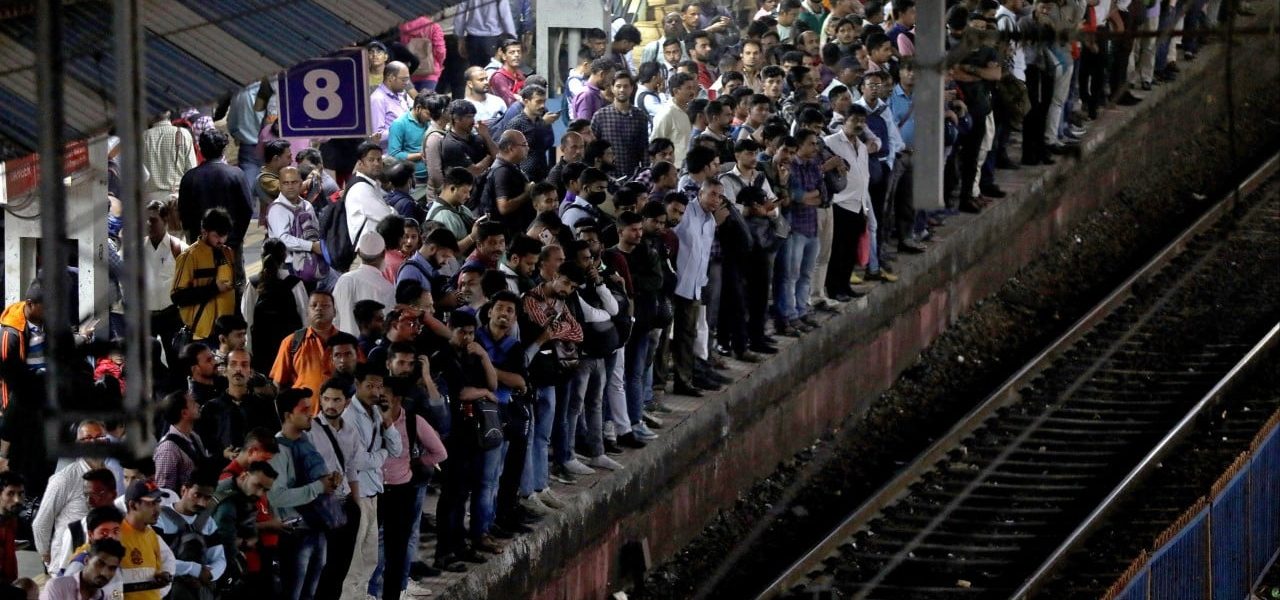
POLICY WIRE — New Delhi, India — The irony isn’t lost on anyone watching. Just as India recently nudged past its northern neighbor to claim the title of the planet’s most populace nation, with a staggering 1.42 billion souls, the conversation among some of Prime Minister Narendra Modi’s most potent allies has swung dramatically toward, well, having more babies. You’d think perhaps a quiet pause, a moment to digest the implications of such sheer scale, might be in order. Instead, we’re seeing a robust, almost enthusiastic, push for expanded families.
It’s a peculiar twist in the grand demographic narrative, particularly when you consider the country’s existing strains. Take the glaring reality of youth unemployment—it’s one of those big, uncomfortable problems that simply doesn’t fade with hopeful slogans. Yet, for certain segments of the political establishment and various Hindu groups, the response isn’t to alleviate the pressure valve; it’s to crank it up, suggesting more hands make for lighter work, somehow. They’re effectively telling a nation wrestling with challenges like high youth unemployment to multiply its numbers. [QUOTE_PLACEHOLDER]
But why this particular moment for such a peculiar advocacy? It appears to be driven by concerns over what they perceive as a declining fertility rate. This fear, it must be said, seems to fly in the face of projections by serious global watchdogs. The United Nations, for instance, in its sober, methodical way, projects India’s population would keep rising for about four decades, peaking at around 1.7 billion. Four decades! That’s a considerable stretch before any notion of demographic contraction might actually begin to manifest itself in ways that worry even the most zealous pronatalists. Yet, some policymakers and Hindu groups say the shift away from smaller families should begin now, including through government…; a statement that itself suggests some level of governmental nudging or incentivization might be in the offing. It’s an interesting read on societal pressures, isn’t it?
And it raises so many questions about national strategy. It’s not just about raw numbers. It’s about infrastructure, resources, — and social cohesion. Many neighboring countries, like Pakistan, grapple with their own unique demographic trajectories, often influenced by distinct cultural and economic factors that shape family planning attitudes differently. But even there, direct calls for outright population growth by the ruling establishment are rare, often because the resource strains are just too apparent. For a nation already recognized as the world’s most populous country, it really does take a certain brand of conviction to champion an even greater expansion, especially when many global economists quietly (or not so quietly) fret over the present situation. And it’s not like the Modi administration is unaware of these economic tight spots; it’s precisely these concerns that typically dominate their public messaging.
The reasoning behind these calls from powerful allies of Prime Minister Narendra Modi are championing larger families to counter a declining fertility rate often carries a subtext. It sometimes skirts the edge of cultural preservation, or what some perceive as a need to maintain the majority demographic balance within India. This isn’t unique to South Asia, by the way. Other nations with complex ethno-religious mixes have seen similar demographic anxieties morph into political platforms, sometimes with rather troubling historical outcomes. It’s a very complex cocktail of demographics, identity, — and political power play.
But when you’re already navigating the complexities of a nation so vast, so incredibly diverse, advocating for more births isn’t a simple academic exercise. It translates into real-world demands on schools, on hospitals, on scarce land and water, and, yes, on that already strained job market. A generation-long demographic surge brings with it incredible dynamism, no doubt. But it also presents unparalleled challenges that, for many nations, would provoke strategies of careful management, not proactive acceleration. It seems, in this instance, a different drum is being beaten.
One statistic illustrates the scale of this discussion, as per the United Nations, India already hosts 1.42 billion people – a number that quite simply dwarfs that of most nations. And it makes you wonder what kind of calculus is at play here. Policy choices in densely populated regions always ripple widely. The immediate future won’t necessarily see a dip, either; the United Nations projects India’s population would keep rising for about four decades, peaking at around 1.7 billion, a figure that’s hard to wrap your head around, even for us grizzled journalists.
What This Means
This isn’t merely a demographic curiosity; it’s got tangible political — and economic teeth. Economically, pressing for larger families in an economy already struggling with underemployment and an enormous informal sector only exacerbates potential labor market friction. It creates greater demand on social welfare infrastructure, which is, let’s be honest, already stretched. Where are all these new entrants going to work? And how will an aging population, someday, support them all?
Politically, the advocacy by Hindu groups often ties into narratives of national identity and concerns over perceived demographic shifts favoring other communities, especially the Muslim minority. It’s a loaded issue. Pushing a pro-natalist agenda, particularly when framed within such identity politics, can embolden cultural conservatives and contribute to social tensions, complicating the secular fabric that, despite its challenges, India has historically attempted to maintain. It also hints at a government perhaps more responsive to particular ideological flanks than to pure economic rationalism. Because for all the talk, India still needs well-planned development strategies to support its existing population, let alone a potentially larger one. It isn’t just about how many bodies you’ve got; it’s what you do with them. A rising population isn’t automatically an economic engine if its members lack education, healthcare, and opportunities. You could say it sets up a truly monumental challenge, a sort of slow-motion tsunami that demands far more than just calls for bigger families.