


Laos Mine Collapse: The Bleak Economics of Hope in Southeast Asia’s Shadow
POLICY WIRE — Vientiane, Laos — The subterranean silence has a particular kind of weight, one measured in dwindling oxygen and the grim mathematics of human endurance. Far from the polished...

POLICY WIRE — Vientiane, Laos — The subterranean silence has a particular kind of weight, one measured in dwindling oxygen and the grim mathematics of human endurance. Far from the polished boardrooms where resource deals get inked, a more primitive equation plays out deep beneath the Laotian soil. Rescue efforts press on this week for miners trapped after a catastrophic collapse, a scene all too familiar across Asia’s industrial frontier. You can almost feel the collective breath held across villages nestled in the valleys — and in distant capitals where investment flows. It’s a drama of life and death, but also a stark reminder of the global demand for raw materials and the often-ignored costs.
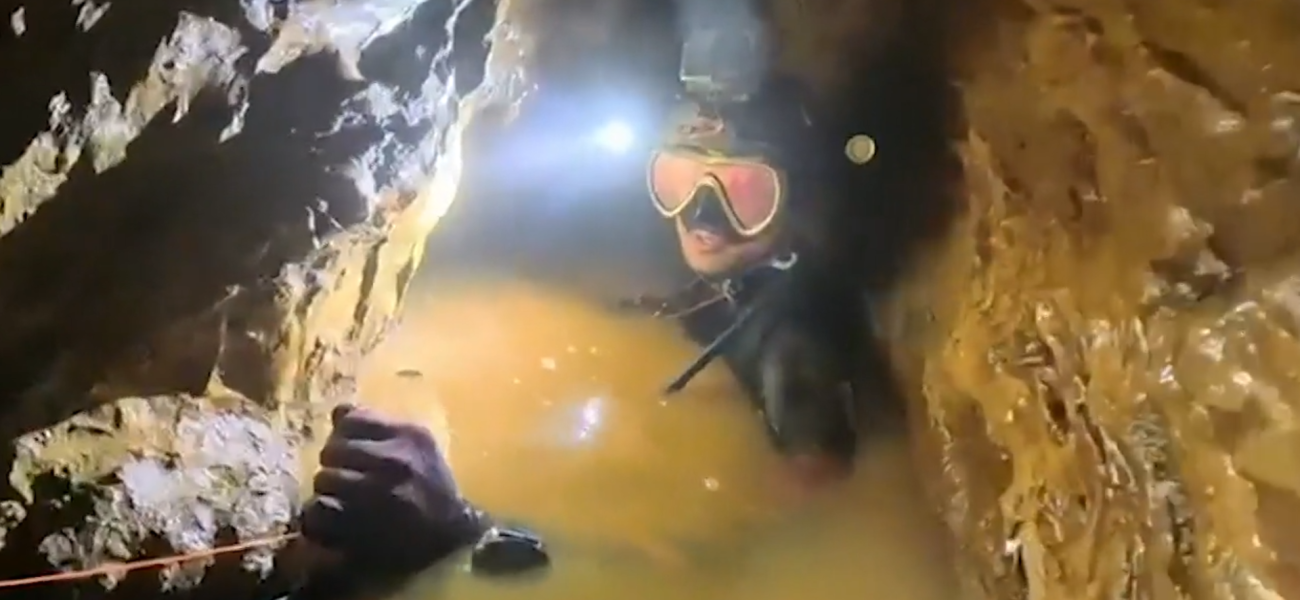
It’s Sunday in a province where names usually stay out of international headlines, unless they’re attached to dam failures or this—another industrial accident. Divers, with that particular brand of grit you only see in these situations, have been working in perilous conditions. A rescuer, his voice tight with fatigue, relayed a message that feels almost religiously hopeful: We have high hopes that they’re still alive
. What else could one say, honestly, in the face of such uncertainty? That simple declaration, however, speaks volumes about the human spirit and perhaps just as much about the harsh realities of extractive industries in nations eager for economic uplift.
Mining here, particularly the often-unregulated small-to-medium scale operations (which, by one estimate from the International Labor Organization in 2021, contribute to approximately 10-15% of mining sector fatalities globally), is a high-stakes gamble. It’s an economy built on rock and peril. Foreign investment pours in, largely from regional behemoths, eager for the copper, gold, and other minerals that fuel everything from smartphones to global infrastructure projects. But that investment sometimes arrives with a concerning disregard for worker safety, environmental protection, or local welfare.
But the story of this incident isn’t just about Laos; it’s a familiar echo across developing nations wrestling with their resource wealth. Just look at Pakistan, for instance. Its own mineral-rich regions, particularly Balochistan, frequently report mining accidents, often involving similar tales of outdated equipment and lax safety protocols. The thirst for coal, salt, and various metals can tragically trump the welfare of those who actually extract it from the earth. Miners there, like their Laotian counterparts, often toil under hazardous conditions, their families caught in a brutal cycle of poverty and peril.
The incident reminds one of the constant push-pull between quick profits — and long-term, sustainable development. It’s a delicate balance, one that international observers frequently note seems to tip against the workers. [QUOTE_PLACEHOLDER]
, according to an anonymous safety expert consulted for this report. And these operations—they’re complex beasts, aren’t they? From planning to execution, every step carries risk, risks that, in this part of the world, appear far too often to translate into loss of life. These are people, after all. People with families waiting.
We’ve seen similar scenarios play out in other sectors, too. Take the Maldives. Its alluring dive spots, a major tourist draw, sometimes hide an underbelly of industrial challenges, like shipping or fisheries incidents—just like the land here hides its minerals, and its dangers. It’s a question of governance, really, and whether governments can truly enforce labor laws and safety standards against the often-overwhelming financial muscle of international conglomerates. Or do they simply buckle under the weight of foreign capital?
It’s not that these nations don’t have laws; many do, on paper at least. But enforcement? That’s another beast entirely. Compliance tends to be sporadic, often only tightening after a catastrophe hits the headlines, like this one. [QUOTE_PLACEHOLDER]
, noted a regional economic analyst. And then, once the spotlight fades, it’s back to business as usual, often with inadequate oversight, setting the stage for the next preventable tragedy.
But there’s a persistent strain of human resilience too, amidst this grit — and despair. Divers push on, family members keep vigils. It’s a profound display of unwavering determination against impossible odds. Maybe it’s a testament to hope, yes. Or maybe it’s simply the stark necessity of a community pulling together when all other support systems seem stretched too thin. Policy implications certainly ripple far beyond the immediate site of collapse.
What This Means
This incident, while local in immediate scope, holds broader implications for regional economics, particularly South and Southeast Asia’s resource-dependent nations. It casts a harsh light on the delicate tightrope walk between economic expansion, often fueled by foreign investment, and fundamental human safety. Laos, like many of its neighbors, including Pakistan, finds itself in a tough spot. They crave the prosperity that mining revenues promise, but the price in human lives and environmental degradation can be exorbitant. It’s a policy conundrum where regulations often exist but are poorly implemented, turning industrial sites into veritable death traps.
For policymakers, the core challenge remains creating enforceable frameworks that compel mining companies – local and foreign – to adhere to global safety standards, not just minimum national ones. The peril beneath the surface, both literally and figuratively, often goes ignored until a tragedy erupts. This latest episode underscores the need for robust oversight bodies with genuine teeth, independent investigations into accidents, and meaningful compensation and rehabilitation programs for victims and their families. Without these, hope in the face of disaster remains merely a whispered prayer, rather than a reasonable expectation rooted in proper governance. We need less hoping for survival, — and more planning for prevention.