


Beyond the 9-to-5: O’Leary’s “Grind” Doctrine and the New Battle for Work-Life Souls
POLICY WIRE — Washington, D.C. — The future of work, it seems, isn’t being debated in sleek boardrooms anymore. No, it’s being hammered out in the court of public opinion—often quite...

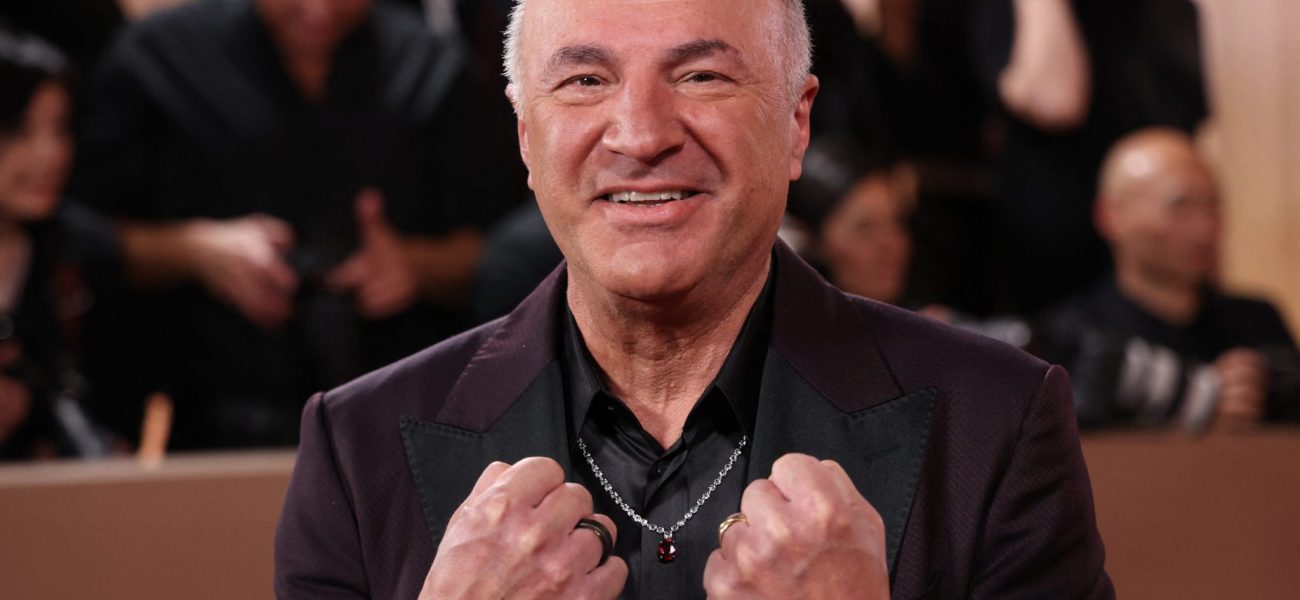
POLICY WIRE — Washington, D.C. — The future of work, it seems, isn’t being debated in sleek boardrooms anymore. No, it’s being hammered out in the court of public opinion—often quite abrasively—by figures who command attention simply by saying the quiet parts out loud. And recently, the notoriously blunt Kevin O’Leary, a fixture of entrepreneurial reality TV, just lobbed another hand grenade into the discussion. He didn’t just opine on the shift away from endless grind; he flat-out declared war on it. Anyone chasing work-life balance? ‘I hope they work for my competitors,’ he reportedly quipped, practically daring the new generation of workers to challenge his brand of hardcore capitalism.
It’s not just a passing soundbite from the ‘Shark Tank’ investor; it’s a window into a growing chasm. On one side, the old guard, for whom work is life—or at least the dominant, defining aspect. On the other, an emerging cohort, often younger, more attuned to mental health and personal well-being, who aren’t quite ready to offer up their souls on the altar of productivity. They’ve seen—we’ve all seen—the burnout epidemic. They’ve tasted the ‘Great Resignation’ — and the ‘Quiet Quitting’ movements. This isn’t just about opting for shorter Fridays; it’s a fundamental reimagining of what work owes us, and what we owe it.
O’Leary’s comments, initially made to Piers Morgan, didn’t just ripple; they hit like a splash of cold water, polarizing executives and employees alike. He wasn’t subtle. ‘The idea of 30 days off in the summer — and four-day weeks, and ‘I only want to work this many hours’… you will lose to my employees because my employees don’t believe in that,’ he asserted. It’s a throwback, frankly, to a mindset where ambition was measured solely in hours logged, and personal life was a quiet, inconvenient hobby to be squeezed in around the edges. But does that antiquated model still fit a world irrevocably altered by a pandemic, hyper-connectivity, and the very real human cost of relentless economic pressure?
But that’s where the story gets thorny, doesn’t it? Because O’Leary’s stance, for all its boorish charm, mirrors a grim reality for millions globally, particularly in developing economies. Take Pakistan, for instance, where the pursuit of ‘balance’ is a luxury many simply can’t afford. There, working 10, 12, even 14 hours a day isn’t about ‘crushing it’ for equity. It’s about putting food on the table, educating children, maybe even sending precious remittances back home from overseas—funds that, by the way, constituted over $27 billion for Pakistan in 2023, according to the State Bank of Pakistan. This often comes at a significant cost to well-being, yet it’s born of economic necessity, not a corporate titan’s idealized grind.
Dr. Anika Rahman, a labor policy analyst based in Islamabad, pulls no punches. ‘It’s a Gilded Age mindset,’ she retorted when asked about the comments. ‘Workers aren’t asking for handouts; they’re demanding dignity — and a fair share. Companies that ignore this do so at their peril, particularly in a globalized market where talent isn’t geographically tethered anymore.’ She’s not wrong. Many businesses, recognizing the shift, are quietly recalibrating. They’re investing in flexibility, mental health resources, and—dare we say it—even true work-life integration rather than just balance, all to attract and retain the best.
The conversation isn’t merely ideological; it’s fundamentally economic. When burnout costs an estimated $300 billion annually in the U.S. alone through lost productivity and turnover, as some studies suggest, then O’Leary’s ‘churn and burn’ strategy might just be bad business, not shrewd capitalism. We’re seeing companies struggle with retention like never before, largely because talent now has options, and frankly, higher standards. And if Mr. Wonderful’s ideal employees are toiling away for weeks on end, without meaningful breaks, one has to ask: how sustainable is that in the long run? Human beings, as it turns out, aren’t perfectly calibrated machines—a shocker, I know.
📄 POLICY WIRE WHITEPAPER PUBLISHED: PAKISTAN'S NATIONAL SECURITY POLICY PRIORITIES
👉 READ BY CLICKING HEREPerhaps it’s time to realize that what O’Leary champions as ambition, many now view as exploitation. The game’s changed, whether the old guard likes it or not. The rising tide of global awareness means workers, from Wall Street to Karachi, are increasingly unwilling to trade their entire lives for a paycheck, especially when the fruits of their labor often feel disproportionately skewed to the top. The battle for talent isn’t about who works the hardest; it’s about who works the smartest, and who respects the human element in an increasingly dehumanized world. Maybe that’s the real competition.
What This Means
O’Leary’s outspoken dismissal of work-life balance isn’t just a blip on the celebrity radar; it signals a deeper, more entrenched ideological battle raging across global labor markets. Economically, his ‘work-hard-or-go-home’ philosophy could alienate younger, more values-driven talent, especially in industries that prioritize innovation and creativity. This approach might find purchase among companies struggling with legacy operational models, but it risks ceding a competitive edge to those businesses—often the cutting-edge tech firms—that understand the importance of employee well-being as a retention and productivity driver. Politically, this discourse feeds into the larger narrative of class division — and economic inequality. When a high-profile millionaire dismisses a basic human need, it exacerbates tensions between labor and capital, potentially fueling movements for stronger worker protections, better wages, and even shorter workweeks, policies gaining traction in parts of Europe. For nations like Pakistan, where relentless work is often an inescapable economic necessity rather than a chosen strategy, this debate serves as a stark reminder of the vastly different realities facing workers worldwide, and the moral complexities that arise when economic opportunity collides with human aspiration. See how even a hairline crack can shake foundations at Fortuitous Fault Line.