

Anarchy in the Wards: Ebola Patient Kidnapping Exposes Deep Congolese Distrust
POLICY WIRE — Kinshasa, DR Congo — In the deep heart of Africa, sometimes the gravest threat isn’t the microbe itself, but the utter breakdown of trust. It’s not just a medical emergency in the...

POLICY WIRE — Kinshasa, DR Congo — In the deep heart of Africa, sometimes the gravest threat isn’t the microbe itself, but the utter breakdown of trust. It’s not just a medical emergency in the Democratic Republic of Congo; it’s a searing political drama playing out in crowded hospital wards, punctuated by violence. We’ve seen—time and again—that the human factor, especially when laced with suspicion, can sabotage even the most concerted efforts to halt a rampant disease. What unfolds when grief becomes a battle cry, — and cultural rites clash head-on with emergency protocols? Precisely what you’d expect: chaos.
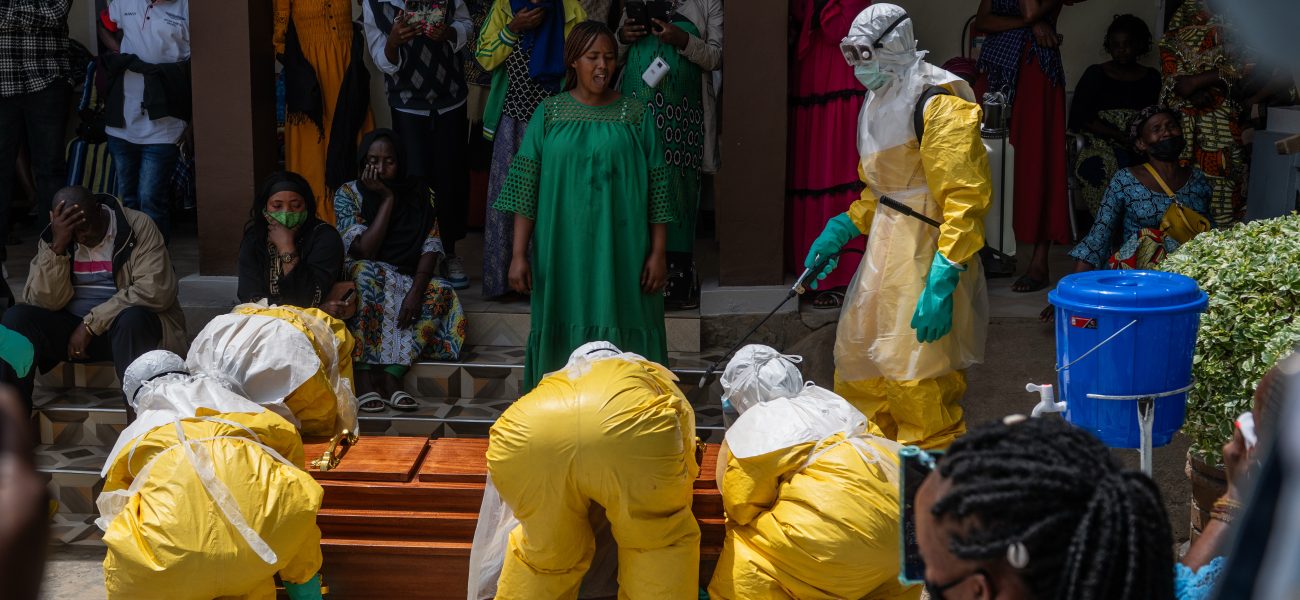
It was less a simple protest and more an organized reclamation, a scene ripped from a nightmare of public health and fractured community relations. Young men—impulsive, angry, likely desperate—recently staged a harrowing, calculated raid on an Ebola treatment center, demanding the remains of family members. Picture this: a high-security medical facility, meant to contain a lethal contagion, breached not by enemy combatants, but by grieving relatives. They weren’t looking for a fight, not initially; they just wanted their dead back, or so they claimed, intent on carrying out traditional burial rites. It speaks volumes, doesn’t it, about where priorities lie when an invisible killer sweeps through impoverished communities. And it sure complicates things for health workers trying to do their grim job. You just know this kind of scene throws already skittish international aid efforts into even deeper turmoil. [QUOTE_PLACEHOLDER]
Because, really, this isn’t just about young men, a hospital, or even Ebola. This is about decades—centuries, if you wanna get real about it—of external interference, internal corruption, and systemic failures that have left people convinced their own government, or worse, foreign aid groups, can’t be trusted. When folks believe they’re being experimented upon or that the dead are simply statistics, well, that’s when you’ve got real trouble. They don’t hear science; they hear whispers, old fears, — and deep, deep grievances. It’s a bitter truth, one that epidemiologists — and geopolitical strategists ignore at their peril.
But let’s be straight here, the stakes are ridiculously high. Ebola is a nasty customer, — and its spread is exponential in dense, conflict-prone zones. Interrupting patient care, letting possibly contaminated bodies escape—that’s a direct route to an even wider catastrophe. We know that Ebola response teams have to bury bodies quickly — and safely to stop chains of transmission. It’s ugly, it’s counter-cultural in many places, and it’s non-negotiable. Yet, these young men reportedly ignored the dangers, focusing instead on their immediate need to honor their kin. And you can see where that becomes an impossible situation for everyone.
The story’s echoes bounce far beyond Congo’s borders. We’ve seen similar, though perhaps less violent, dynamics play out across the globe, often where religious piety or tradition bumps hard against secular state directives or global health imperatives. Think of polio eradication campaigns in certain parts of Pakistan — and Afghanistan. In regions grappling with extremist ideologies and pervasive distrust of Western intentions, vaccination teams are often viewed with deep suspicion, sometimes even violently resisted. They’re perceived as fronts for spying or even as nefarious schemes to sterilize Muslim populations. This isn’t just theory; we’re talking about real world outcomes. The cultural friction there often makes efforts to control disease incredibly challenging. That context provides crucial insight into the volatility shaking hospitals in the DRC.
📄 POLICY WIRE WHITEPAPER PUBLISHED: PAKISTAN'S NATIONAL SECURITY POLICY PRIORITIES
👉 READ BY CLICKING HEREIt’s all part of the larger canvas of fragile states struggling with modern challenges. For instance, UNICEF reported that in 2023, only around 76% of children globally received the third dose of the diphtheria-tetanus-pertussis (DTP3) vaccine, a foundational public health measure, with far lower rates in conflict-affected areas. That gap—that 24%—represents lives lost, diseases unchecked, and a chilling indication of systemic failure. And this isn’t simply a matter of resource scarcity, though that’s certainly part of it; it’s profoundly about political will, governance, and that elusive social contract between the state and its people.
What This Means
This episode, unsettling as it’s, acts as a grim barometer for broader political instability and economic hardship in the DRC. The storming of a health facility signals a profound fracturing of governmental authority and a frightening level of public exasperation. When citizens, particularly a nation’s youth, resort to such extreme measures, it highlights a deep void where state legitimacy should be. It means local governance, or what little exists, simply isn’t connecting with people on the ground; it’s lost the plot completely. For international bodies pouring millions into crisis management, this isn’t just a hurdle; it’s an indictment of top-down approaches that routinely fail to consider local cultural nuances and the heavy baggage of history. You’ve gotta understand that every time this happens, it emboldens criminal elements or rebel groups, proving the government can’t even secure its own healthcare infrastructure. It sets a dangerous precedent, amplifying fear and making future health interventions far riskier for those brave souls on the front lines. The long-term economic consequences, of course, include stunted development and ongoing instability—pretty much ensuring that DRC remains on a list no one wants to be on. And, yes, it raises huge red flags about potential escalations of conflict as desperation mounts. We aren’t just looking at an epidemic here; we’re looking at the social fabric unraveling, thread by thread.
This isn’t some outlier event, it’s a symptom, loud — and clear. Unless the core issue of distrust is directly addressed, through meaningful community engagement and transparent governance—not just more security fences—these vital battles against disease, poverty, and instability are pretty much doomed to be fought on repeat, endlessly. It’s ugly stuff.