


Europe’s Silent Legal Machine Grinds On: Children Become International Pawns
POLICY WIRE — Lisbon, Portugal — Europe sifts through its own human flotsam daily. Most times, the administrative leviathan handles it with an impersonal hum. But then, every so often, the cold...

POLICY WIRE — Lisbon, Portugal — Europe sifts through its own human flotsam daily. Most times, the administrative leviathan handles it with an impersonal hum. But then, every so often, the cold mechanics of international law and social services spit out a story, stark and raw, reminding us that every cog in the machine impacts real, tiny lives. The quiet determination to send two young brothers—orphaned or simply discarded, the distinction often blurs in the raw moment—back to France from Portugal isn’t just a tale of logistics; it s a sharp needle jab into the balloon of continental order. And it’s not always pretty.
It sounds straightforward enough on paper: abandoned kids get reunited with family, or at least a nation deemed responsible for their well-being. But that s a sanitised view. The legal wrangling, the bureaucratic hurdles, the quiet negotiations across borders — these are the unwritten acts in a global play that rarely features happy endings for the most vulnerable. We talk about borders — and sovereignty; these children, these two boys, they don’t know the difference. They only know they’ve been [QUOTE_PLACEHOLDER] in a foreign land. You’d think, given the gravity of child welfare, the wheels would spin faster. Often, they don’t. Bureaucracy, you see, is a hungry beast; it demands its due, paperwork, stamps, signatures, while time keeps marching for the small folk it affects.
Their story, when laid bare, exposes how vulnerable young lives are to the fissures in state-to-state collaboration. It isn’t just about finding parents or guardians; it’s about untangling a knot of residency laws, welfare jurisdiction, and differing child protection mandates. One nation takes temporary charge; another is eventually persuaded, through a convoluted diplomatic dance, that it shoulders the primary burden. It’s never simple. These sorts of cases aren’t unique to European asphalt, mind you. Look east, to Pakistan, for example, where the concept of unaccompanied minors and street children battling systemic neglect is, tragically, a decades-long crisis. The children, caught between poverty and political instability, sometimes cross into Iran or Afghanistan, then become lost in a similar web of international laws—though with far fewer resources to facilitate their return or protection. The systems might differ, but the despair, for the child, remains frighteningly universal.
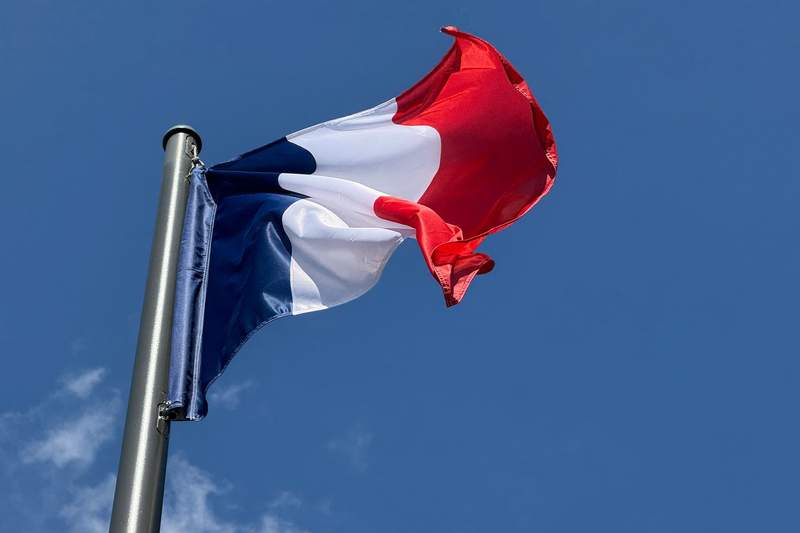
The immediate goal was clear enough, and ostensibly, the correct one: [QUOTE_PLACEHOLDER] for the boys to be returned to France. And that meant the painstaking process of verification, official declarations, and the kind of hand-offs you might see for state secrets, only with infinitely more fragile cargo. No fanfare, no dramatic pronouncements, just the quiet closing of one file, the opening of another. Portugal’s institutions likely acted according to established protocols. France’s, one presumes, will pick up the pieces, integrating them into their child protection system. It’s a testament not to the warmth of international relations, but to its sheer, plodding endurance.
What this specific incident illuminates isn’t just an isolated case of abandonment, but the sheer volume of child displacement challenges facing the European Union and its neighbors. Consider this: according to Eurostat, in 2022, 98,400 non-EU citizens applying for asylum in the EU were considered unaccompanied minors. That’s a staggering figure, painting a picture of systemic pressure — and a constant struggle for adequate care. It puts these two brothers’ plight into a larger, more concerning context. And it means these cross-border hand-offs are no longer anomalies; they’re an everyday facet of a continent grappling with ever-shifting demographics and deep-seated social inequities. But because there’s so much red tape, these children—these little individuals—often disappear into the procedural maze.
There’s a subtle irony, isn’t there, in how nations fiercely guard their borders, yet are compelled by international convention and humanitarian impulse to facilitate the transit and welfare of those same borders’ youngest transgressors? These situations highlight a truth often ignored in nationalistic rhetoric: humans don’t stop being human just because they’ve stepped over a line. They become legal quandaries, yes, but first, they’re people—or in this case, children—in need. Our collective humanity gets tested at these flashpoints. But it often comes down to individual bureaucrats, case workers, — and judges making hard calls in quiet offices.
📄 POLICY WIRE WHITEPAPER PUBLISHED: PAKISTAN'S NATIONAL SECURITY POLICY PRIORITIES
👉 READ BY CLICKING HEREThis case also nudges at the broader discussion surrounding immigration and the responsibilities states bear for the dependents of those who cross their thresholds. Whether families are seeking asylum or simply migrating for economic opportunity, the ripple effects invariably touch the most vulnerable members—the children. How these states, France and Portugal in this instance, manage this complex terrain speaks volumes about the continent’s values, or its perceived lack thereof. It’s not always about grand treaties or declarations; often it’s in the quiet return of two little boys to a new, uncertain future.
What This Means
This episode, though localized, underscores the enduring challenge of child welfare in a globalized world, where individuals’ movements routinely outpace rigid national legal frameworks. Politically, it signals the increasing burden on destination and transit countries alike, forcing often-reluctant cooperation on issues that directly impact national budgets and social services. Economically, such cases—multiplied by tens of thousands—represent a substantial, often unquantified, drain on public resources, from temporary shelter to legal aid and social integration programs. The cost of neglect, however, ultimately far outweighs the cost of proactive, coordinated care. the prevalence of such situations creates continuous friction, demanding judicial agility and refined diplomatic channels. Countries like France, as a major receiving nation, will invariably find their social safety nets stretched, prompting internal political debates on immigration policies and welfare eligibility, mirroring broader discussions about how sovereign rules collide with humanitarian obligations. For families and unaccompanied minors from regions like Pakistan, these European precedents become grim reference points, shaping perceptions of safety and possibility in the treacherous journeys across continents.
The underlying lesson? As long as vast socioeconomic disparities and geopolitical instability persist, children will continue to be casualties, and Europe’s administrative machinery will remain in constant, weary motion. This isn’t just about two kids; it’s about the very seams of an international system constantly threatening to unravel under the weight of human mobility.