

Cold Comfort in Guilty Plea as Migrant Deaths Highlight Global Desperation
POLICY WIRE — Dover, England — The crisp, unforgiving English Channel doesn’t discern between desperation and defiance. It just takes. So when a British court, far removed from the choppy grey...

POLICY WIRE — Dover, England — The crisp, unforgiving English Channel doesn’t discern between desperation and defiance. It just takes. So when a British court, far removed from the choppy grey waters, heard John Smithers, a lorry driver from Kent, admit responsibility for the deaths of four migrants discovered in his vehicle—suffocated in what prosecutors described as an “inhuman pressure cooker”—it felt less like justice, more like a grim formality. The system grinds on, doesn’t it?
Smithers, 52, hardly cuts the figure of a mastermind. He’s just another cog, albeit a lethal one, in a sprawling, unforgiving trade. He pleaded guilty to conspiring to facilitate illegal immigration — and manslaughter for the deaths. His unwitting cargo, a quartet of souls identified only as being from the wider Middle East and South Asia, met their end far from any shore, their hopes of a new life extinguished in a container no bigger than a walk-in closet. And the real tragedy? This isn’t an isolated incident. Not by a long shot.
It’s the raw calculus of human misery, priced out by cartels — and complicated by geopolitics. The very act of seeking safety, or even just economic breathing room, becomes a deadly lottery. These are individuals, not just statistics, leaving homes plagued by economic freefall, political instability, or the slow, grinding erosion of hope. Take Pakistan, for instance, a nation grappling with soaring inflation and uncertain futures, pushing its young to consider extreme measures. We’re talking about conditions so severe that risking suffocation in a refrigerated truck seems like a viable path. Think about that.
“Every life lost in these clandestine journeys is a profound failure of the international community,” stated Fiona Kelly, Director of UK Operations for the International Migrant Aid Alliance, a Geneva-based humanitarian group, in a surprisingly candid remark from their London office. “Until safe, legal routes are meaningfully expanded, desperate people will continue to turn to dangerous ones. We’re just patching holes in a sinking ship.”
Her words are often echoed, but rarely acted upon with the urgency they demand. The Home Office, on the other hand, strikes a different chord. “Our resolve to dismantle these ruthless criminal gangs is absolute,” said Brandon Clark, a spokesperson for the UK Home Secretary, via an emailed statement. “This conviction sends a clear message: those who profit from human suffering and endanger lives will be brought to justice.” It’s a familiar refrain, though it rarely seems to stem the flow.
The journey often starts thousands of miles away, crossing deserts, enduring abuses, pooling life savings. In 2023 alone, the Missing Migrants Project, part of the International Organization for Migration (IOM), documented over 8,500 deaths on migration routes worldwide—a chilling testament to the scale of the problem. That figure represents more than just individual tragedies; it’s a stark indicator of global inequality and unchecked human predation.
📄 POLICY WIRE WHITEPAPER PUBLISHED: PAKISTAN'S NATIONAL SECURITY POLICY PRIORITIES
👉 READ BY CLICKING HERESmithers, by his own admission, wasn’t operating in a vacuum. He was reportedly paid a modest sum—mere hundreds of pounds—to move a sealed container from a Belgian port to an undisclosed drop-off point in the UK. A small cog, yes, but one enabling immense pain. He’d done it before, probably. Many times.
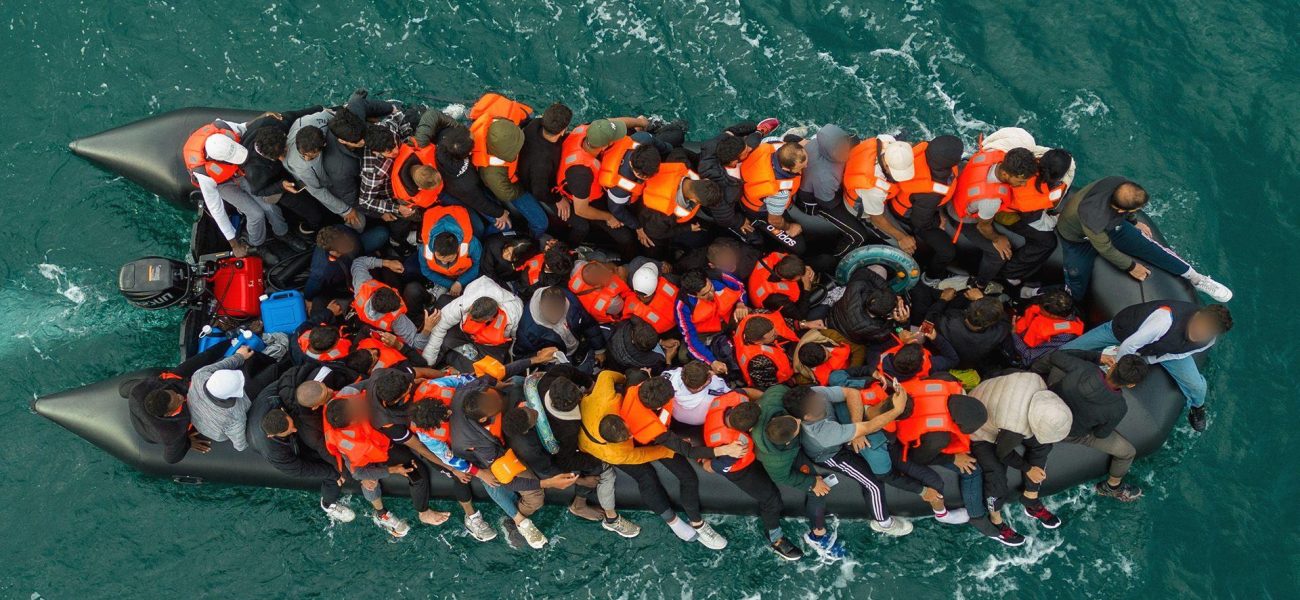
And because these routes become increasingly difficult to traverse legally, the price for a seat in a leaky dinghy or a stuffy truck cabin only goes up. It’s simple economics of supply — and demand, with human lives as the commodity. But what kind of market trades in this kind of risk?
What This Means
Smithers’ guilty plea, while providing some measure of legal closure, does little to address the broader humanitarian disaster unfolding globally. Economically, this type of illicit trade, fuelled by push factors in nations like Pakistan—where a significant portion of its over 240 million population faces profound economic instability and high youth unemployment—is a deeply entrenched shadow industry. It siphons wealth from already vulnerable communities, funnelling it into transnational criminal enterprises that thrive on geopolitical fragmentation and regulatory loopholes.
Politically, such incidents reinforce populist narratives in recipient countries, driving calls for harsher border controls and increased militarization. But tougher borders often mean more inventive, — and therefore more dangerous, smuggling tactics. It’s a perverse feedback loop. The problem isn’t just about individual smugglers, it’s about state policy, regional instability, and a world where some lives seem inherently more valuable than others. When governments tighten their grip on legal avenues, they unwittingly—or perhaps, willfully—strengthen the hand of those who operate in the shadows, trading human desperation for illicit profit. The four lives lost in that truck were casualties of a much larger, global failing. Their deaths should be a mirror, reflecting an ugly truth about our collective priorities.