


Global Streaming Gold Rush: The Digital Coliseum’s Battle for Eyeballs and Billions
POLICY WIRE — New York, USA — It’s May 26, 2026, and somewhere, right now, a corporate titan is sweating. Not over a looming acquisition, but perhaps over the paltry 0.003% market share their...

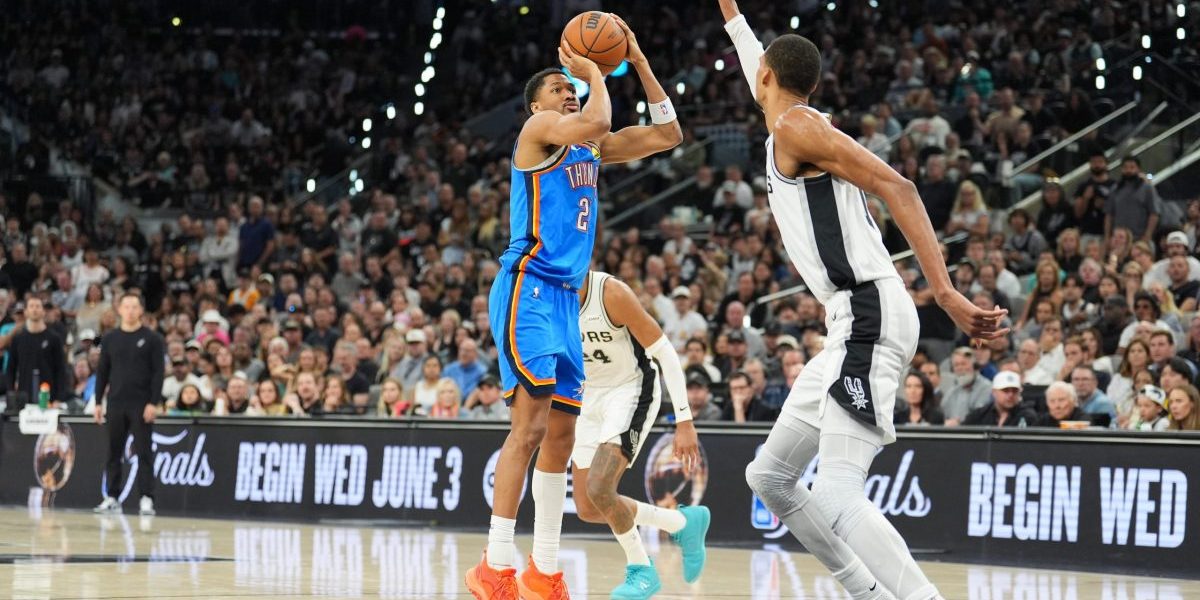
POLICY WIRE — New York, USA — It’s May 26, 2026, and somewhere, right now, a corporate titan is sweating. Not over a looming acquisition, but perhaps over the paltry 0.003% market share their streaming service is capturing from the mind-boggling array of global sports content hitting screens. Forget the actual games; the real high-stakes drama isn’t on the court between the San Antonio Spurs and the Oklahoma City Thunder. No, the veritable digital deluge of athletic endeavors scheduled for this single Monday reveals a far more profound, and politically charged, struggle for human attention and the immense capital that flows with it.
It used to be simple: catch the game, or read the recap. Now, folks don’t just watch; they *consume* a sprawling, multi-platform buffet that makes Thanksgiving dinner look sparse. On this day alone, your average viewer in an economically connected nation can pivot from an MLB showdown, then jump to French Open tennis, then to an NBA playoff Game 5, all before the much-hyped FIFA World Cup 2026 USA Roster Reveal—a prime-time television event in itself—even begins. And that’s barely scratching the surface, mind you. The sheer volume is dizzying. We’re talking about a broadcast and streaming schedule that reads less like a television guide and more like an economic manifesto.
“We’re not just selling basketball; we’re selling a global experience, a slice of a collective unconscious,” remarked Maya Rao, the NBA’s Global Media Chief, to our team last year, reflecting on the league’s ambitious digital outreach. “It’s a race for eyeballs, sure, but it’s also about building shared narratives that transcend borders. And we’re winning, thanks to accessibility.” But that accessibility comes at a cost, doesn’t it? Because every major league, every international tournament, every obscure cycling stage, now sees itself as a global brand needing its own dedicated digital fiefdom or, at minimum, a prime spot on one of the few monolithic aggregators.
This insatiable demand for niche-to-blockbuster sports content has fundamentally reshaped the media landscape. Industry analysis firm DataSport found that global digital sports viewership is projected to surge by 35% between 2024 and 2027, driven primarily by mobile access in emerging markets. Think about it: a teenager in Lahore, Pakistan, doesn’t need cable anymore. They need a smartphone and decent connectivity to watch UEFA Champions League highlights or catch an IPL’s high-stakes financial arena match that’s being livestreamed from across the subcontinent. This isn’t just about entertainment; it’s about infrastructure, bandwidth, and the ever-present competition for cultural influence.
Leonard Hastings, CEO of the ominously named Global Stream Alliance, once put it quite plainly: “Content is king, they used to say. Nonsense. Distribution is king. Accessibility is empress. We’ve built the autobahns — and superhighways. Now everyone—from elite basketball to niche cycling—wants a toll booth. It’s an unsustainable gold rush unless you own the pipeline.” His words echo the grim reality for many sports organizations that can’t afford to play in the big leagues of streaming platforms, yet are desperate to stay relevant in a marketplace driven by immediacy and ubiquity. And, by the way, the economic realities underpinning these global entertainment powerhouses can be particularly brutal in top-tier football, where missteps can cost millions.
📄 POLICY WIRE WHITEPAPER PUBLISHED: PAKISTAN'S NATIONAL SECURITY POLICY PRIORITIES
👉 READ BY CLICKING HEREBut there’s another, often overlooked, layer here. Each of these broadcasts, every streamed minute, represents not just revenue but also national projection. The US unveiling its World Cup roster isn’t merely a soccer event; it’s a performative act of national identity on a global stage, subtly reinforcing geopolitical narratives. Similarly, the popularity of specific European football leagues or American basketball speaks volumes about soft power, about which cultures resonate strongest in the interconnected digital commons. It’s a sophisticated, complex game of global reach.
What This Means
The relentless proliferation of high-end sports programming on streaming platforms, as evidenced by a Monday in May 2026, signals a maturation – perhaps saturation – of the digital content market. For consumers, it’s a golden age of choice, albeit often behind various paywalls. But for media companies and sports organizations, it’s a zero-sum game for scarce attention, necessitating aggressive global expansion and unprecedented investment in both production and distribution infrastructure. Economically, this translates to escalating media rights deals that only the largest platforms can afford, inevitably leading to further market consolidation. Politically, the control over these global narratives — whether it’s through FIFA’s worldwide reach or the NBA’s concentrated branding — grants significant soft power, shaping perceptions and fostering allegiance beyond borders. And while some see opportunity, like Pakistan’s burgeoning mobile sports viewership, the long-term question remains: can the human appetite for endless digital spectacle truly match the industry’s boundless ambition?