


PFL Brussels: The Unsung Art of the Predictable Victory
POLICY WIRE — Brussels, Belgium — It’s a funny old world, isn’t it, when the greatest triumph for a professional fight league comes not from a shock upset, but from the utterly expected?...

POLICY WIRE — Brussels, Belgium — It’s a funny old world, isn’t it, when the greatest triumph for a professional fight league comes not from a shock upset, but from the utterly expected? Brussels, for one night, became the crucible for this peculiar brand of combat capitalism, hosting a PFL event where the dominant narrative wasn’t about who might win, but who was all but guaranteed to.
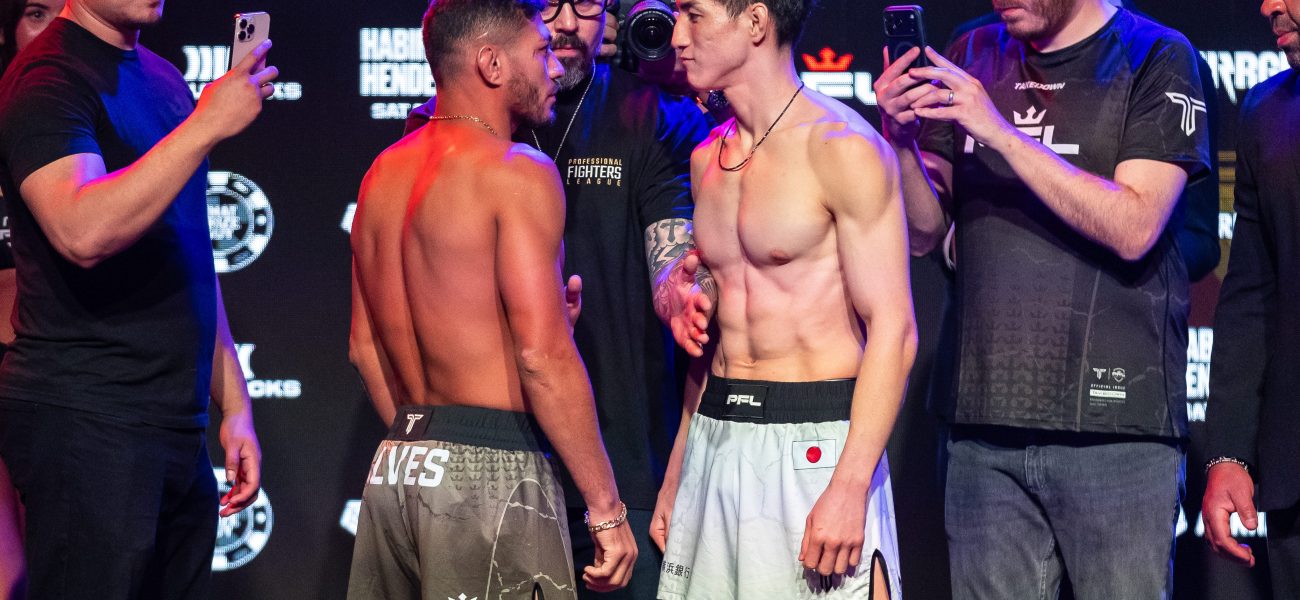
Because frankly, the card—rife with massive betting favorites—felt less like a chaotic brawl and more like a precisely choreographed ballet. Call it ‘Chalk City,’ as some insiders snarkily dubbed it. It’s the quiet politics of the sport, you see, ensuring that star power, or at least heavily invested talent, ascends with minimal friction. Patrick Habirora, the local welterweight dynamo, strolled into the cage against a vastly more experienced, yet significantly aging, Benson Henderson with odds so lopsided (a staggering -1600) you’d think he was fighting a mannequin. And he won, naturally. All ten of our wire’s expert handicappers picked him, as did 60% of their readership. You didn’t need a crystal ball for that.
It wasn’t an anomaly, mind you. Borin Atangana at light heavyweight, another home-country hero, faced similarly absurd odds and, yes, cruised to victory. As did Jake Hadley’s opponent, Taylor Lapilus, who everyone figured would take it. And then Asael Adjoudj. It’s a trend. An engineered landscape of perceived dominance, where the thrill often derives less from unpredictability and more from watching a foregone conclusion unfold with maximum spectacle. These weren’t ‘David versus Goliath’ narratives; they were ‘Goliath vs. slightly-smaller-Goliath-who’s-definitely-going-to-lose’ scenarios.
“This event isn’t just about fists and footwork; it’s about the economic pulse, attracting eyes to Brussels, proving we’re a stage for global sports ventures,” noted Elodie Vandenbosch, Belgium’s Minister of Sports and Cultural Infrastructure, in an official statement earlier this week. She didn’t dwell on the betting lines, of course. The optics matter, don’t they?
But the Professional Fighters League, PFL for short, isn’t pretending it’s the rough-and-tumble street fights of yesteryear. It’s a business. A global enterprise trying to carve out its own piece of the hyper-competitive combat sports pie. And part of that strategy involves showcasing what they perceive as bankable, consistent talent. Even if it means making the outcomes seem a little too obvious. “We’re not just selling fights; we’re crafting narratives. And frankly, the market for undisputed dominance—even when anticipated—is booming, particularly as we eye expanding into vibrant new demographics,” explained Tariq Khan, a PFL Senior Vice President for Global Expansion. He wasn’t subtle.
📄 POLICY WIRE WHITEPAPER PUBLISHED: PAKISTAN'S NATIONAL SECURITY POLICY PRIORITIES
👉 READ BY CLICKING HEREKhan’s mention of ‘vibrant new demographics’ isn’t accidental, of course. The PFL’s gaze, like that of many global sports franchises, is increasingly fixed eastward—on burgeoning fan bases in places like Pakistan and other parts of the Muslim world, where MMA’s raw, individualistic appeal resonates deeply. They’re chasing untapped viewership gold, you know? It’s a shrewd play. After all, the sheer youth demographic and growing appetite for Western-style entertainment in these regions represent a future cash cow. Just look at the football world, or how fiercely nations compete for hosting rights to global tournaments, a dynamic akin to what we observed in Seoul. But then, the challenge isn’t just to enter these markets, it’s to cultivate local talent, to turn a spectacle into a genuine local aspiration, and avoid accusations of cultural commodification.
The numbers don’t lie about the potential either: according to a recent report by Sports Business Journal, the global combat sports market is projected to reach $10.7 billion by 2028, with a significant portion of that growth driven by regions previously overlooked by traditional promoters. That’s a lot of zeros. And it’s why these supposedly ‘safe’ cards are engineered. They minimize financial risk on the talent side while building an identifiable brand. It’s about setting the stage for future, higher-stakes gambles, maybe with a Pakistani champion on the marquee, pulling in untold millions.
What This Means
This calculated predictability in Brussels isn’t just about a fight card; it’s a window into the professionalization and corporatization of mixed martial arts. The PFL, distinct from competitors, emphasizes a tournament format, attempting to lend it a more ‘sporting’ gravitas, like traditional league play. But with overwhelming favorites dominating, it exposes the underlying business model: build a stable of bankable fighters, minimize variables, and cultivate brand loyalty. It suggests a pivot away from raw, chaotic underdog stories towards a more controlled, almost WWE-esque narrative of established heroes proving their worth. Economically, this ensures more reliable pay-per-view buys and broadcast rights, but it could alienate purists who crave genuine uncertainty. Politically, it frames these events as economic boons for host cities, leveraging local talent for tourism and international prestige. It’s a savvy move for the PFL, but it leaves some fans yearning for the days when every fight felt like a toss-up, when the script hadn’t already been written. But then, who needs drama when you can have dollars?