

Germany’s Stalled Contractions: A Lull Before the Storm or a Glimmer of Hope?
POLICY WIRE — Frankfurt, Germany — The humming silence from German boardrooms tells a peculiar tale this month. You’d think the corporate graveyard would be swelling, given the relentless chatter...

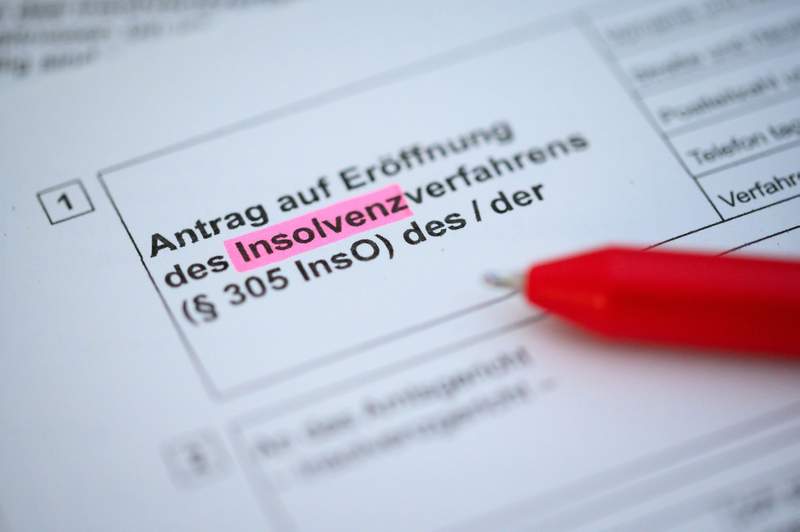
POLICY WIRE — Frankfurt, Germany — The humming silence from German boardrooms tells a peculiar tale this month. You’d think the corporate graveyard would be swelling, given the relentless chatter about an ailing economy. But here’s the kicker: company insolvencies in February didn’t climb. They just… stayed put. No grand spike, no sudden reprieve. Just a curious leveling off in what many consider Europe’s most beleaguered industrial powerhouse, leaving economists to ponder whether this is a nervous calm or a brief, dizzying pause before the true downturn begins.
It’s an odd sort of non-event, this data point. For a nation grappling with sputtering growth — the economy actually contracted by 0.3 percent across the entirety of 2023, according to official figures from Destatis (the Federal Statistical Office) — one might expect the weakest links to snap more frequently. But they aren’t, at least not with the ferocity anticipated by the doomsayers. This isn’t exactly cause for celebration, mind you. More like holding one’s breath at the cliff’s edge, noticing the ground hasn’t crumbled further, for now. German firms have been doing it tough, squeezed by punishing energy costs, stubborn inflation that’s only recently begun to ease its grip, and the constant friction of global supply chain wobbles.
And let’s not forget the interest rates, cranked up by the European Central Bank, which were supposed to cool the fever of prices but instead threw a wet blanket on investment. This environment ought to be a fertile ground for bankruptcies. Yet, the numbers hint at an unexpected resilience, or perhaps, a significant lag effect that hasn’t fully materialized. It’s almost as if German businesses are stubbornly refusing to play dead.
“We’re observing a certain stabilization, but it’s fragile,” admitted Dr. Clemens Fuest, President of the Ifo Institute, in a recent statement, reflecting a cautious stance. “Firms are still navigating turbulent waters; energy prices, while lower than last year’s peaks, remain a substantial burden for our Mittelstand, who form the backbone of this economy.” It’s true. Small and medium-sized enterprises, the engine rooms of German innovation, have been weathering storms without much visible support, beyond perhaps an innate Teutonic stubbornness.
But how does this stagnant distress — because let’s be honest, merely not collapsing isn’t exactly thriving — ripple out? Consider its far-flung implications. Germany’s economic health, or lack thereof, directly impacts global demand. For a country like Pakistan, relying heavily on exports like textiles and leather goods, a robust German economy means consistent orders. A stable-ish German market, even if it’s just ‘stable in its sickness’, means that critical trade relationship isn’t immediately jeopardized, preventing a further squeeze on foreign exchange reserves for Karachi’s traders. Any uptick in German consumer confidence, however incremental, translates into tangible relief for countless families from Lahore to Peshawar.
📄 POLICY WIRE WHITEPAPER PUBLISHED: PAKISTAN'S NATIONAL SECURITY POLICY PRIORITIES
👉 READ BY CLICKING HEREBecause, ultimately, Germany remains a massive market, and any indicator of its sustained purchasing power—even at a baseline—matters everywhere. “This isn’t a recovery, it’s a recalibration,” stated Anja Krüger, spokesperson for the Bundesbank. “Companies have adjusted, sometimes drastically, cutting costs, innovating, consolidating. We’re seeing a new, leaner operating model emerge, but the pressure to deliver genuine growth is relentless. We cannot afford complacency; global geopolitical shifts continue to present significant headwinds, from conflicts in the Middle East affecting shipping lanes to competitive pressures from Asia.” Her comments underscore the idea that while the overt signs of distress aren’t worsening, the underlying prognosis isn’t exactly glowing either.
What This Means
This plateau in German insolvencies, rather than a steep decline, suggests a few things. Politically, Chancellor Olaf Scholz’s coalition, which has been under the gun for its handling of economic headwinds, gets a small—a very small—reprieve. It won’t spark jubilation in Berlin, but it prevents another immediate talking point for the opposition, who’ve been eager to paint the economy as teetering on the brink. Economically, it paints a picture of extreme cost-cutting and, in some cases, deferral of the inevitable. Firms aren’t just magically stronger; many are likely just better at delaying their demise through temporary measures, debt restructuring, or perhaps government aid schemes that keep them afloat just long enough. It’s a kind of zombie stability. For the broader European Union, Germany’s status as a ‘sick man’ still holds weight, even if he’s not currently collapsing. Continued stagnation or this nervous holding pattern means less momentum for the entire bloc, affecting everything from shared fiscal targets to the collective bargaining power on the global stage. It also influences foreign direct investment into other EU nations, as investors might remain wary of the core engine’s performance. But it’s also a potential sign that German businesses, renowned for their efficiency, are adapting—even if painfully. This period of recalibration, albeit protracted, could lead to a more resilient, if smaller, economic base, providing a curious template for other global economies navigating similar inflationary pressures and energy crises, particularly those tied into European markets. As corporate titans bow to economic shifts across Asia, German enterprises are clearly engaged in their own quiet struggle for survival.