

Mexico City’s Cultural Currency: A Soft Power Gambit in a Fractured World
POLICY WIRE — Mexico City, Mexico — Forget the pastel-hued postcards. Don’t start with the Mariachis either. Down in Mexico City, the scent of smoked chillies and ancient stones—that’s what hits you...

POLICY WIRE — Mexico City, Mexico — Forget the pastel-hued postcards. Don’t start with the Mariachis either. Down in Mexico City, the scent of smoked chillies and ancient stones—that’s what hits you first, a raw, undeniable fusion. It’s a city that breathes history — and hyper-modernity all at once. And that raw energy? It’s not just attracting selfie-snapping tourists anymore. This sprawling megalopolis, the oldest capital city in the Americas, is quietly, shrewdly, turning its cultural muscle into a geopolitical tool, a soft power play in a world that’s frankly, looking a bit fractured.
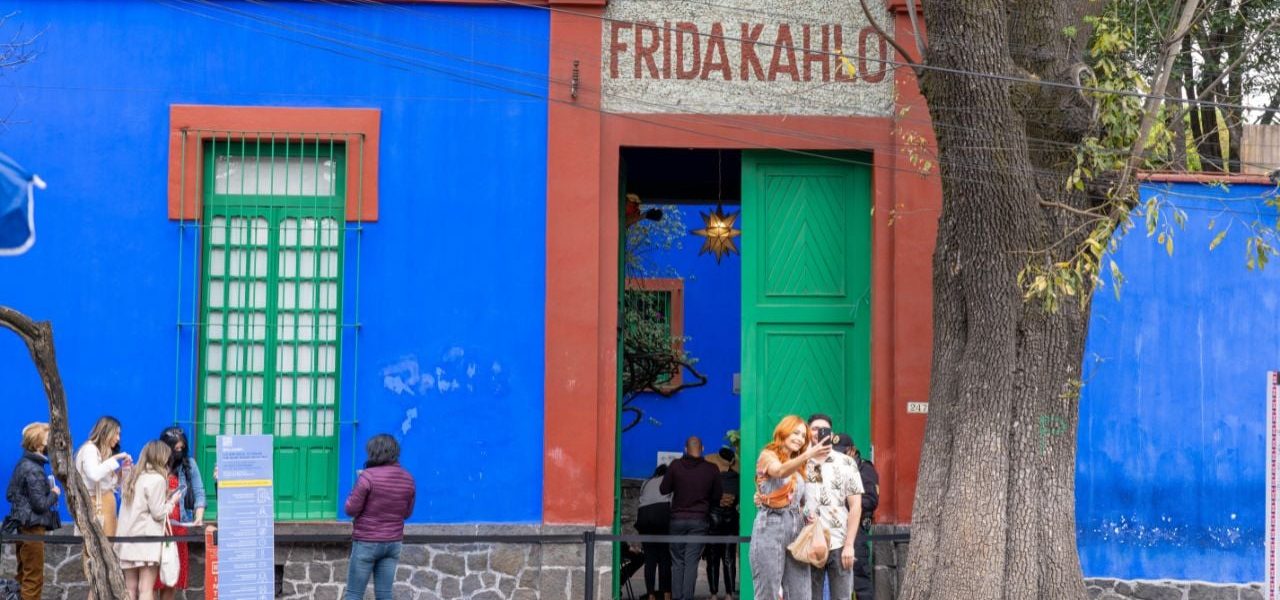
It’s an aggressive, though subtle, push. You see it everywhere. From the resurgence of pre-Hispanic culinary traditions—not just as novelty, but as a genuine reassertion of identity—to the burgeoning art scene that doesn’t just ape New York or Berlin, it challenges them. But what’s really going on here isn’t just about making a buck from tacos or charging entry to Frida Kahlo’s Blue House. It’s about projecting influence, changing perceptions, — and ultimately, securing Mexico’s standing on the global stage. And they’re quite good at it.
The city’s embrace of its multifaceted identity—Indigenous, colonial, revolutionary, avant-garde—serves as a compelling narrative. It tells a story of resilience — and vibrancy that resonates far beyond its borders. Mexico City hosted over 13.5 million international visitors in 2023, generating a hefty 9.1 billion U.S. dollars in tourism revenue, according to Mexico’s Secretary of Tourism, Miguel Torruco Marqués. That’s a significant bump from pre-pandemic figures. “Our culture isn’t just entertainment; it’s our diplomatic corps, our strongest currency in a global market of ideas,” Marqués recently told Policy Wire. “It builds bridges, fosters understanding, and, yes, it brings economic opportunity. You can’t argue with those numbers.”
This isn’t a new strategy, mind you. But it feels sharper now. More deliberate. Like an athlete discovering a new gear. Cities from Marrakesh to Lahore are grappling with similar challenges: how to preserve heritage in the face of rapid urbanization, and how to monetize that heritage without diluting its authenticity. Many, frankly, falter. But Mexico City, it seems, has struck a rather compelling balance. Its cultural offerings aren’t just for visitors, they’re for locals first—creating a deep wellspring of creativity that visitors then tap into. That authenticity, that ‘burstiness’ of cultural expression, that’s their edge.
The world’s gaze, it seems, is shifting. As Western metropolises become increasingly homogenized and perhaps, a bit tired, places like Mexico City are suddenly looking like the main event. It’s not just about what’s hip, it’s about what’s *real*. Because in a global economy that prizes experience above all else, cultural depth becomes an almost unassailable asset.
“We’re witnessing a seismic shift in how emerging markets perceive — and project their cultural worth,” noted Dr. Alia Khan, a South Asian urban policy analyst based in Dubai, during a recent virtual panel. “From Istanbul’s historical grandiosity to Lahore’s literary festivals, the competition for cultural capital is fierce. But Mexico City, it doesn’t just compete; it creates an entire gravitational field. It draws you in. And it leaves you rethinking old narratives about what makes a global city great.” It’s a calculated move. A chess game played with mariachi trumpets — and ancient glyphs.
And what’s equally striking is the city’s self-awareness in this game. They’ve recognized that to truly project soft power, you’ve got to offer more than just pleasantries. You’ve got to offer depth, a bit of grit, something that can genuinely shake up perspectives. (Just like in Tokyo’s subtle power play, a different approach to a similar goal.) This isn’t just about economic revival post-pandemic; it’s about embedding a lasting narrative of Mexico as a serious player, culturally, intellectually, even politically. That’s the real dish on offer here.
What This Means
Mexico City’s conscious deployment of culture as a foreign policy instrument signals a growing trend among developing nations to leverage intrinsic national assets for global influence. This isn’t merely tourism; it’s nation-branding at its most sophisticated. By focusing on deep cultural immersion and showcasing its historical layers, the city challenges one-dimensional perceptions often held by Western audiences. This approach provides a counter-narrative to economic or security-focused diplomacy, appealing instead to shared human experiences and intellectual curiosity. It enables Mexico to cultivate deeper, more nuanced relationships with key partners and emerging markets, potentially unlocking new avenues for trade, investment, and collaboration beyond traditional political blocs.
Economically, this strategy diversifies revenue streams away from traditional exports, building a robust, resilient cultural economy. It also fosters domestic pride — and preservation, anchoring national identity in a globalized world. Politically, a strong cultural presence translates into greater ‘brand equity’ on the international stage, giving Mexico more leverage in multilateral forums and bilateral negotiations. It positions the nation as a leader in cultural dialogue, potentially serving as a model for other large, diverse economies looking to translate heritage into modern relevance. This isn’t just about attracting dollars; it’s about attracting respect.