

Mexico’s Coral Quandary: Reefs Reject Royal Caribbean’s Grand Plan
POLICY WIRE — Mexico City, Mexico — Picture this: a corporate titan, sailing on dreams of a tropical paradise tailor-made for its behemoth vessels, abruptly finds its anchors snagged not on ocean...

POLICY WIRE — Mexico City, Mexico — Picture this: a corporate titan, sailing on dreams of a tropical paradise tailor-made for its behemoth vessels, abruptly finds its anchors snagged not on ocean floor, but on national resolve. That’s the rather unglamorous reality Royal Caribbean, the globe-trotting cruise leviathan, is currently grappling with after Mexico quietly, but firmly, blocked its plans for a sprawling new destination port.
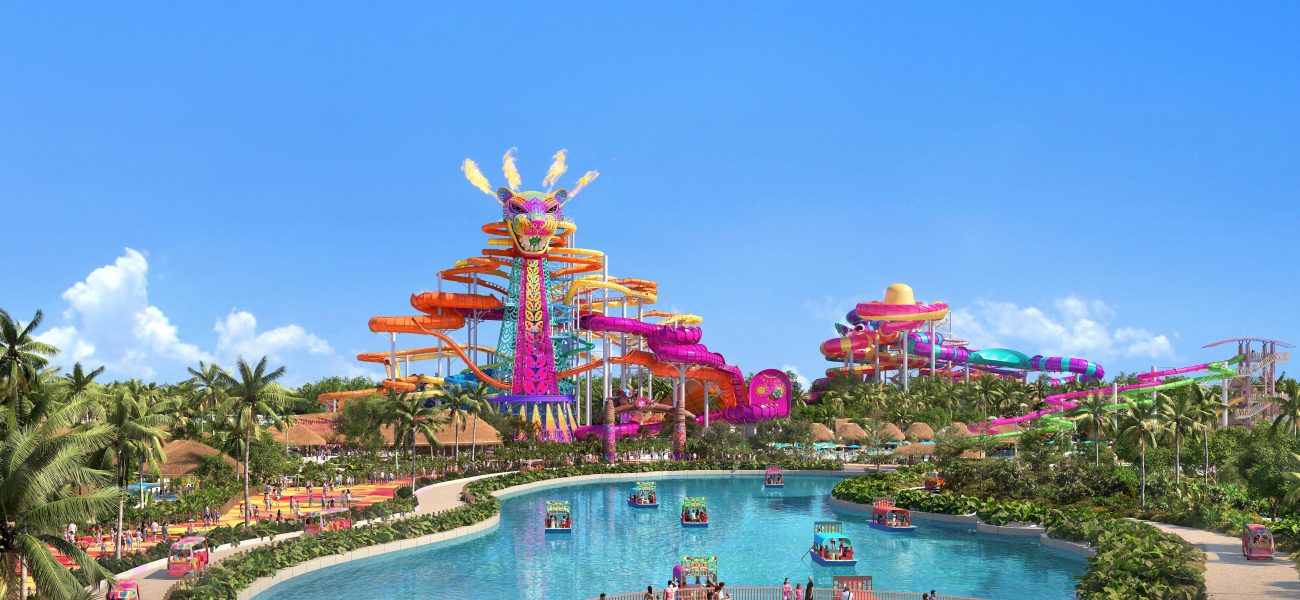
It wasn’t a shouting match; it was a paperwork denial, a bureaucratic cold shoulder that carries the weight of a policy earthquake for the luxury travel sector. The ambition was grand: a multi-million-dollar ‘beach club’ and pier on the fragile shores of Costa Maya, Quintana Roo, a region synonymous with turquoise waters and ancient Mayan echoes. But the federal environmental agency, SEMARNAT, wouldn’t bite. They weren’t keen on seeing delicate reef ecosystems bulldozed or local fishing livelihoods upended for another docking point for pleasure cruisers. Call it Mexico’s green line in the sand, drawn quite effectively.
“We simply can’t trade short-term economic gains for irreversible damage to our natural heritage, especially not in areas already designated for environmental protection,” stated María Luisa Albores González, Mexico’s Secretary of Environment and Natural Resources, in a remarkably candid interview just weeks before the final decision landed. “Our responsibility is to future generations, not quarterly earnings reports.” That’s a pretty stark dismissal of corporate blueprints, if you ask me. Her ministry’s technical review pointed to significant impacts on marine ecosystems—mangroves, coral reefs, and sea grass beds—that are, you know, sort of important for keeping the whole place from falling apart.
Because let’s be real, a cruise terminal isn’t just a dock. It’s dredging. It’s increased boat traffic. It’s waste management headaches in areas not quite built for them. It’s an entire ecosystem taking a hit, — and that’s precisely what SEMARNAT seemed to be pushing back against. The proposed site itself sits dangerously close to an Area of Influence with high environmental sensitivity. And it’s not like these areas don’t face enough pressure. Globally, marine experts from the United Nations Environment Programme (UNEP) estimate that up to 14 million tons of plastic enter the ocean annually, much of it from coastal activities, cruise lines included. Mexico’s government clearly remembers that figure.
Royal Caribbean, predictably, wasn’t exactly doing backflips over the news. “It’s a genuine shame, really. We envisioned a world-class, environmentally responsible experience that would have brought thousands of jobs and substantial investment to the region,” a spokesperson for Royal Caribbean, who preferred to remain unnamed, conceded with palpable disappointment. “Our proposals always include robust environmental mitigation strategies. We’re a global company; we understand the importance of sustainability.” But sometimes, understanding and execution are two different beasts.
And this isn’t merely a localized squabble over a pristine beach in the Caribbean. Nations from Mexico to the Maldives, and even along Pakistan’s emerging coastal corridors, are grappling with the same tough choice: how to balance tantalizing economic opportunity with enduring environmental stewardship, especially when it involves colossal external capital. Think of Gwadar’s evolving port city in Balochistan—a region poised for dramatic growth, but also confronting questions about ecological footprints and who truly benefits.
The implications are far-reaching. Mexico, under President Andrés Manuel López Obrador, has signaled an increasing assertiveness in protecting its natural resources, even if it occasionally rubs big business the wrong way. His administration, for all its occasional contradictions, isn’t shy about leveraging national sentiment and environmentalism as political currency.
What This Means
This rejection sends a rather stark, chilling message across the global tourism industry. Mexico, a heavyweight in the international travel market, just reminded everyone that it calls the shots on its own turf. It’s a political victory for López Obrador’s environmental narrative, solidifying his government’s image as guardians of national sovereignty and ecological health—never mind the murmurs about other development projects facing fewer roadblocks. Economically, it’s a blow to Royal Caribbean’s expansion strategy, forcing them back to the drawing board to find new shores for their floating cities. More broadly, this sets a potent precedent for other developing nations facing pressure from multi-billion-dollar tourism operators. They can, in fact, just say ‘no.’ The decision effectively forces companies to re-evaluate their approaches to sustainable development, placing a greater emphasis on truly minimal impact rather than just superficial greenwashing. For nations like Pakistan, navigating ambitious infrastructure projects often backed by foreign investment, Mexico’s stance could serve as an instructive model. Or, you know, a stark warning depending on where you stand on foreign capital’s dominion over natural assets. It suggests that even the biggest players can find their ambitions thwarted by local ecology and an emboldened bureaucracy.
So, for now, the coral reefs off Costa Maya can breathe a little easier. Royal Caribbean, though, will have to navigate choppier diplomatic waters, figuring out where else on the planet it can drop anchor without quite so much fuss. Or perhaps, better yet, how to design a port that truly respects the sand it sits on. It’s a new era, folks.