


Beyond Bandwidth: Placitas Says ‘Not Here,’ Halting Verizon’s Tower Bid
POLICY WIRE — PLACITAS, N.M. — The scent of chile and pine usually hangs heavy in the crisp New Mexico air, but on a recent Tuesday, a different aroma permeated Sandoval County’s chambers: that...

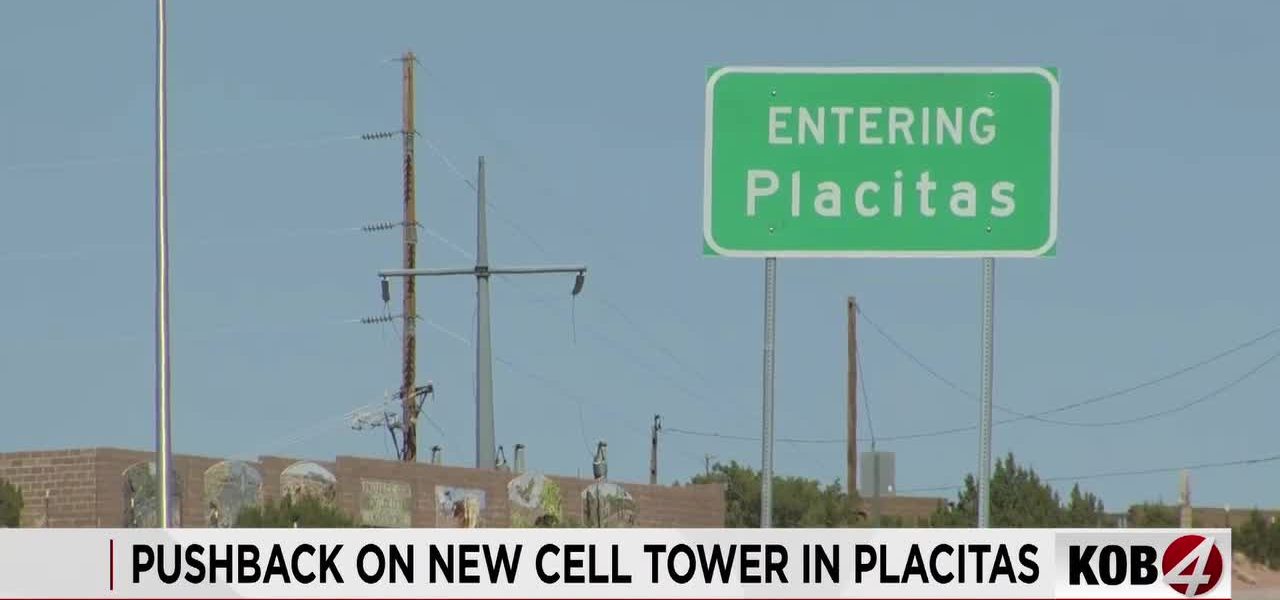
POLICY WIRE — PLACITAS, N.M. — The scent of chile and pine usually hangs heavy in the crisp New Mexico air, but on a recent Tuesday, a different aroma permeated Sandoval County’s chambers: that of simmering defiance. Residents weren’t there for a potluck, though their unity felt just as communal. They arrived, roughly fifty strong — an hour before gavel-fall, no less — to deliver a potent, collective ‘no’ to a seventy-five-foot symbol of modern inconvenience: a Verizon cell tower.
Because, as it turns out, progress often casts a long, unsightly shadow. For the folks in Placitas, nestled in the scenic sprawl of Sandoval County, that shadow threatened to blot out sunsets and disturb — they argued — an established aesthetic that folks here fight tooth and nail to maintain. They wore red ribbons, you see, a silent, striking visual plea against what many perceived as corporate imposition, right there in one of the village’s most cherished public spaces. It wasn’t subtle. And it didn’t need to be.
Verizon, naturally, pitched the tower as an answer to an alleged connectivity crisis, a ‘dead zone’ – their words, not ours. But local researchers, ever so diligent, begged to differ. “The entire drive of the signal testing, we only dropped one call. So while it’s not perfect, it’s not perfect in Albuquerque or Rio Rancho or anywhere,” one resident, an informal network auditor it seemed, asserted at the meeting. Their contention? Existing solutions, like T-Mobile’s proliferation of smaller, less obtrusive antennae, worked just fine, thank you very much. Why, then, the monolith?
The proposal called for planting this technological totem in a spot already bustling with community gatherings, concerts, and – well, life. Imagining a stark, metal mast looming over those events? No one was having it. Not here. But, there’s always a flip side, isn’t there?
“We understand community concerns, absolutely, but let’s be pragmatic,” stated Mark Delaney, Regional Network Director for Verizon, post-vote, his disappointment thinly veiled. “Reliable connectivity isn’t a luxury; it’s essential for education, emergency services, and indeed, economic growth, especially in areas with limited infrastructure. We believe we had a sound, technically compliant plan to serve the needs of Placitas.”
Conversely, Commissioner J. R. Rodriguez, whose decisive vote helped seal the tower’s fate, minced no words: “Our job isn’t just to facilitate commerce; it’s to protect the character of our communities. And tonight, Placitas spoke with a unified voice. We listened.” A tidy, almost poetic, conclusion to a corporate aspiration.
And so, after a long evening of community impassion — a testament, perhaps, to how seriously New Mexicans take their vistas — the commissioners pulled the plug. It was over, done. Just like that, Placitas demonstrated a rather inconvenient truth for telecom giants: local sentiment can be a tougher signal jammer than any mountain range. Sometimes, the little guy wins, red ribbons — and all. For more on how local communities wield their collective will, consider reading about Red Ribbons and Rural Resolve.
What This Means
This denial, while seemingly minor on a national scale, speaks volumes about a deepening tension between infrastructural needs and local autonomy. It’s a skirmish in the ongoing battle between centralized corporate strategies and grassroots resistance — what many jokingly call NIMBYism, though here it feels more like principled stand. Communities like Placitas are increasingly aware of their leverage, scrutinizing corporate proposals with an intensity that often surprises—and frustrates—those expecting an easy rubber stamp. We’re seeing this play out globally. Just look at the challenges faced in some parts of Pakistan, for instance, where infrastructure projects often encounter significant pushback from communities deeply tied to ancestral lands or concerned about aesthetic impact, even when facing significant connectivity gaps. (A 2023 report from the Pakistan Telecommunication Authority indicates that over 10% of Pakistan’s rural population still lacks basic mobile coverage, underscoring this perpetual development tightrope.)
This New Mexico incident also lays bare the disparity in how companies like Verizon and locals define a ‘dead zone.’ For a provider, it’s about absolute coverage statistics; for a resident, it’s about not dropping calls when you’re headed to the grocery store. It also spotlights a broader conversation about alternative technologies and — importantly — how much say a corporate behemoth truly gets over a municipality’s skyline. Economically, while one tower might not sink Verizon, these small, consistent rejections in lucrative but aesthetically sensitive markets can slow down broader 5G rollouts and drive up deployment costs. Politically, it empowers local leaders who demonstrate an ability to prioritize community quality of life over raw commercial expansion. And don’t forget the power of research. The residents doing their own signal testing? That’s citizen engagement that hits different, compelling public officials to genuinely consider data beyond what corporate applicants present. This isn’t just a win for Placitas; it’s a playbook for other communities facing similar dilemmas worldwide – even those on the other side of the planet, grappling with modernization efforts that impact cherished heritage, as discussed in Digital Ghost in the Machine, where local culture and tech collide.