


Red Ribbons and Rural Resolve: How a New Mexico Village Silenced Verizon’s Siren Call
POLICY WIRE — Placitas, New Mexico — It wasn’t about dropped calls for the residents of Placitas; it was about an encroaching skyline and a battle for the soul of their village. In a rather...

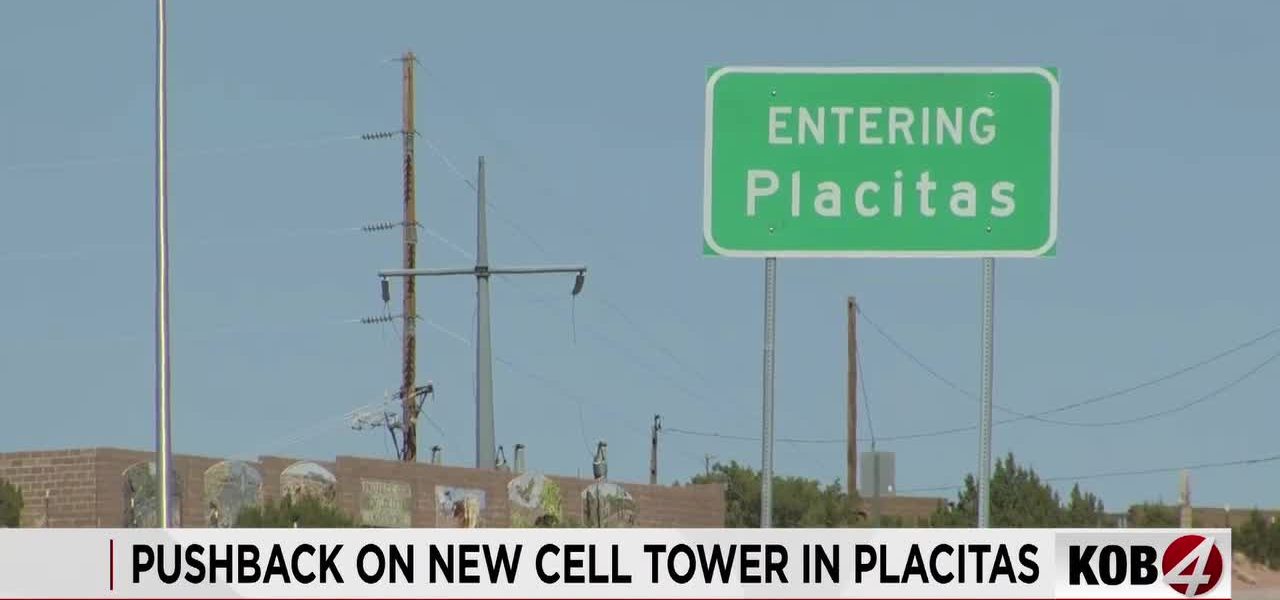
POLICY WIRE — Placitas, New Mexico — It wasn’t about dropped calls for the residents of Placitas; it was about an encroaching skyline and a battle for the soul of their village. In a rather un-dramatic but thoroughly decisive end to a simmering local dispute, Sandoval County commissioners recently delivered a firm, unapologetic ‘no’ to Verizon’s aspirations for a 75-foot cell tower. But don’t misunderstand—this wasn’t just another routine zoning decision. No, this was a palpable victory for red ribbons and grassroots resolve against the relentless march of perceived progress.
Picture it: A Tuesday night. An hour before the official start, nearly 50 people—a significant chunk of the community—had already filled every available seat, every viewing corner, spilling into the hallways. They weren’t there for idle chatter, they’d come for a fight. These aren’t folks who just email their complaints, you know? They showed up, wearing scarlet bands on their arms, a clear signal (pun intended) of their collective fury — and unity. It’s what communities do when they feel overlooked, I reckon.
Verizon, naturally, wanted to plant a steel sentinel smack dab in a community hub—where festivals, farmers’ markets, and everything else that makes a village a village actually happens. Their reasoning? The usual, reliable refrain of “dead zones” — and the dire need for faster data. But residents weren’t buying it. They’d done their homework. They pointed to other carriers, like T-Mobile, using less intrusive, smaller cell antennas that seem to, you know, just work better around here. And besides, as one resident frankly put it during the public comment period, “We drove the whole signal testing route and only dropped one call. It’s not perfect, sure, but Albuquerque isn’t perfect, Rio Rancho isn’t perfect—so what gives?”
It gets down to a fundamental conflict, really: corporate convenience versus community character. A struggle not entirely unfamiliar across continents, like those quiet battles in the ancient villages of Pakistan’s Hunza Valley, where hydroelectric dams or tourist resorts threaten centuries of traditional life—the local beauty pitted against the lure of modernity’s hard promises. Here, it’s about a view. About preserving the low-slung architecture, the clear skies, and a certain kind of New Mexico tranquility that a towering metal structure just doesn’t compliment. Studies from the American Planning Association suggest that properties within 500 feet of a cell tower can see values dip by as much as 10%, a stark financial reality few residents are eager to embrace.
And so, after a grueling evening of spirited—and at times, I’d bet, deeply exasperated—testimony from residents, the commissioners made their call. They’d heard the pleas. They’d witnessed the unity. “We have a mandate to balance economic development with the preservation of our county’s unique identity,” stated Commissioner Janet Espinoza, her voice firm. “When a community speaks with such a clear, unified voice about what it cherishes, we’re compelled to listen. Today, that means safeguarding Placitas.” She nailed it, really.
Verizon, predictably, isn’t thrilled. “We’re disappointed by the board’s decision,” a spokesperson for Verizon, Mark Thompson, told us via email, likely with a slight groan you could almost hear through the pixels. “Our commitment to reliable connectivity remains unwavering, and while we respect local processes, the demand for enhanced service in underserved areas like Placitas is a reality we can’t ignore. We’ll be evaluating alternative solutions, but it’s clear this community will continue to face coverage gaps.” Spoken like a true corporate envoy, always promising the light at the end of a very specific, corporate-sanctioned tunnel.
What This Means
This isn’t just about one tower in one small New Mexico village. It’s a microcosm, isn’t it? A demonstration of how local will, when galvanized and articulated with passion—and armed with actual data, mind you—can stare down major corporations and their seemingly inexorable plans. For elected officials, it’s a stark reminder: community input isn’t merely a box to check. It’s a powerful current, able to capsize carefully laid corporate strategies. Politically, decisions like these often reverberate, showing residents that their participation matters, that their red ribbons and tireless nights spent at town hall actually mean something. Because let’s be honest, folks get pretty jaded these days about their ability to influence policy. And economically? Well, the immediate impact saves residents from potential property devaluation and preserves the aesthetic that draws visitors (and new residents) in the first place, reinforcing the intangible economic value of community character. This isn’t just a win for Placitas; it’s a playbook for other communities looking to protect their piece of paradise from unwelcome development, a small but mighty example of how the Davids still beat the Goliaths, sometimes. You know, when they show up. And when the Goliath isn’t as prepared as it thinks it’s. There’s something quite refreshing about it.