


Moscow’s Fragile Shield: Drone Barrage Unmasks Kremlin Vulnerability
POLICY WIRE — Moscow, Russia — The ordinary hum of Russian life, for so long a carefully curated facade of unbothered power, just got profoundly disrupted. Forget the battlefield, folks, because the...

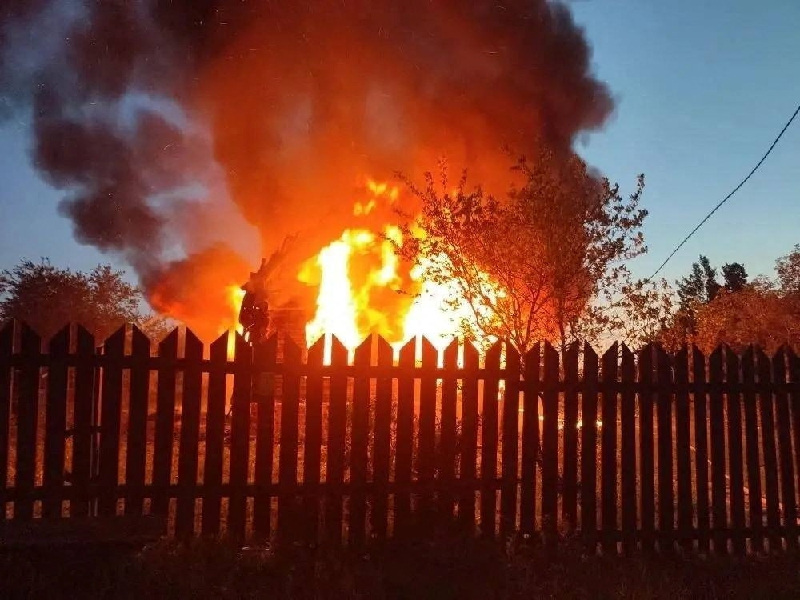
POLICY WIRE — Moscow, Russia — The ordinary hum of Russian life, for so long a carefully curated facade of unbothered power, just got profoundly disrupted. Forget the battlefield, folks, because the war’s coming home—with a vengeance. This isn’t just about drones dropping ordnance; it’s about a psychological blow landing square in the heart of the capital, shattering the illusion of impenetrable security President Vladimir Putin’s Kremlin has tried so hard to maintain. Moscow, once largely untouched save for an occasional nuisance, is now absorbing its most substantial aerial assault in over a year. Four souls are gone, lost to these aerial specters, and that’s not something you simply sweep under the rug, not anymore.
It’s become a pattern, hasn’t it? These buzzing mechanical insects—small, relatively cheap, but terrifyingly effective—are rewriting the rules of engagement. They’re making a spectacle of Moscow’s air defenses, punching holes in what was supposed to be a formidable shield. Imagine waking up to the screech of interceptors and the thud of debris hitting pavements; that’s the new normal for swaths of Russia, particularly its administrative center. The message from Kyiv is simple, unvarnished: what’s good for the goose…
And it rattles nerves, undoubtedly. For a state apparatus built on an image of absolute control, these incursions represent something far more dangerous than mere physical damage: they chip away at credibility. They whisper vulnerability, loud enough for allies — and adversaries alike to hear. Dmitry Peskov, the Kremlin’s indefatigable spokesman, didn’t pull any punches, telling reporters, “This wanton aggression won’t go unanswered. Kyiv is testing our resolve, and they’ll regret it deeply.” It’s the standard refrain, yet even the boilerplate rhetoric feels a bit frayed around the edges after so many hits.
Ukrainian officials, meanwhile, see it as an extension of the broader fight, a necessary evil, if you will. “Our forces are operating within international law to reclaim our sovereignty. Every target is legitimate when our homes are being pulverized by Russian aggression,” a senior advisor to Ukraine’s Defense Ministry, who asked not to be named due to security concerns, told Policy Wire. It’s a blunt calculation, trading blow for blow, moving the frontline further behind enemy lines. Reports from independent defense analysts indicate over 70 drone incursions into Russian territory just last month, a stark increase reflecting Kyiv’s evolving long-range capabilities.
But the ramifications spread far beyond the immediate blast radius. Look east, towards the subcontinent, to countries like Pakistan. They’re watching, dissecting these events with an acute interest. These nations, caught between global power blocs, aren’t just bystanders. They’re consumers of geopolitical lessons, and Moscow’s increasingly exposed underbelly speaks volumes about modern warfare, about the disproportionate impact of low-cost, high-tech asymmetric threats. Energy markets, always sensitive to Russian stability, jitter. Supply chains already stretched by previous global crises get another reason to fray. It’s a bad omen for global stability when even a perceived superpower can’t keep its skies clean.
📄 POLICY WIRE WHITEPAPER PUBLISHED: PAKISTAN'S NATIONAL SECURITY POLICY PRIORITIES
👉 READ BY CLICKING HEREWhat This Means
This latest volley of drone attacks isn’t just a tactic; it’s a strategic play by Kyiv that significantly shifts the psychological landscape of the war. By demonstrating the persistent ability to strike deep inside Russian territory, Ukraine aims to force Moscow into diverting precious air defense assets from the front lines, weakening its offensive capabilities and exposing its logistical hubs. This creates a deeply uncomfortable domestic narrative for Putin, forcing him to expend political capital explaining why the “special military operation” is bringing conflict to Russian doorsteps. It’s a stark contrast to the initial assurances that the war would be a distant, controllable affair. Because, frankly, controlling the narrative gets tricky when chunks of a drone land in your backyard.
Economically, it throws a fresh batch of sand into the gears. The cost of enhanced air defenses, coupled with potential insurance hikes for businesses operating in areas now routinely targeted, means further strain on an economy already wrestling with sanctions. Internationally, this escalation could be a double-edged sword. Some Western allies might see it as justifiable retaliation, boosting support. Others, however, especially those wary of global escalation, might privately express unease about attacks on Russian civilian infrastructure. It puts leaders, like those in Washington, in an even tougher spot when calibrating military aid. But it also presents a fascinating case study for countries like Delhi’s hardline hawks and policymakers in other tension-fraught regions—how do you secure a massive land border against ubiquitous, small-scale threats? It’s not an academic question for them. The stakes are getting higher for everyone, including those in the Kremlin, whose grip on power, many now speculate, faces unprecedented internal scrutiny. The whispers inside Moscow’s power corridors grow louder, punctuated by the unsettling buzz of drones.