


Beyond the Barrage: Evidence Mounts of Calculated Atrocities in Mideast Conflict
POLICY WIRE — Washington, D.C. — While the relentless bombardments and escalating humanitarian catastrophe in Gaza rightfully dominate headlines, an uglier, more insidious truth has been quietly...

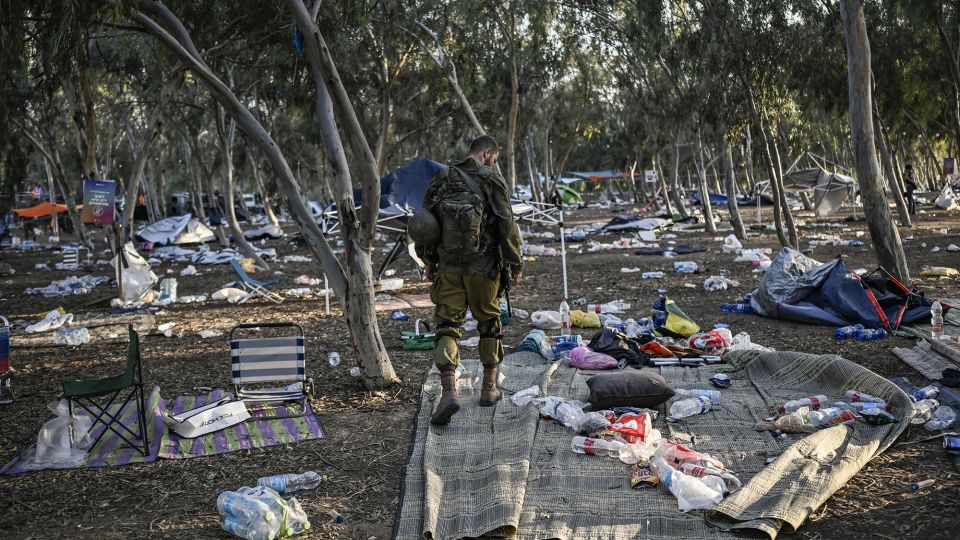
POLICY WIRE — Washington, D.C. — While the relentless bombardments and escalating humanitarian catastrophe in Gaza rightfully dominate headlines, an uglier, more insidious truth has been quietly congealing—one that threatens to rip through the diplomatic fabric of the entire region. It’s not just about rockets — and incursions anymore. We’re talking about the weaponization of the human body, specifically women’s bodies, and it demands our uncomfortable attention.
A new, deeply disturbing report, whose initial findings have begun circulating through diplomatic channels and certain media outlets, shines an unforgiving light on systematic sexual violence committed during the October 7 attacks on Israel. But this isn’t just a grim recounting of individual crimes; it alleges a calculated pattern, suggesting these were not isolated acts of barbarity by rogue elements, but rather part of a coordinated assault. This distinction, my friends, it changes everything.
The details emerging from eyewitness testimonies, forensic analyses, and victim accounts paint a truly chilling picture. They point to a deliberate use of rape and sexual assault as a tactic of terror, an instrument designed to inflict not just physical harm but also profound psychological damage and societal rupture. It’s a strategy as old as war itself, resurrected with grotesque efficacy. And because of the fog of war, because of the fierce political posturing, these victims often suffer twice: once at the hands of their attackers, and again through global silence or dismissal.
“The international community cannot—it simply cannot—look away from these egregious violations,” stated Tamar Stern, Israel’s Ambassador-at-Large for Human Rights, her voice reportedly shaking during a recent closed-door briefing. “What we’re seeing documented here isn’t just cruelty; it’s a deliberate attempt to degrade, to terrorize, to break the spirit of a people through the most brutal means imaginable. This requires universal condemnation, not equivocation.” Strong words, aren’t they? But entirely warranted, one might argue, given the nature of the allegations.
But the politics, they always muddle the picture. Any accusation against Hamas—particularly one of this nature—is met with a volley of denial from the group itself, and often, sadly, with skepticism from some quarters wary of Israeli narratives. It’s a sad state of affairs when basic human decency gets caught in geopolitical crossfire. Yet, the evidence is mounting, challenging even the most entrenched preconceptions.
Dr. Aisha Rahman, Director of Gender Equality Programs at the International Council for Human Rights (ICHR), while urging caution and comprehensive investigation, didn’t mince words either. “Conflict-related sexual violence remains one of the most underreported and unpunished crimes against humanity,” she observed in a public statement. “If these systemic patterns are confirmed—and the early indicators are deeply troubling—it means Hamas has crossed a fundamental red line. The global human rights architecture is obligated to respond definitively, irrespective of political leanings.” It’s a reminder that principles shouldn’t be optional.
These revelations will undoubtedly reverberate far beyond the immediate conflict zone. In Pakistan and parts of the broader Muslim world, where sympathy for the Palestinian cause runs deep, the news will present a particular dilemma. Some may outright dismiss the reports as Western propaganda, designed to delegitimize the Palestinian resistance. But others, particularly those who advocate for women’s rights within Muslim-majority nations, will confront a thorny truth: how does one reconcile solidarity with unwavering opposition to such depravity? It’s a question without an easy answer. This issue forces a reckoning, doesn’t it?
📄 POLICY WIRE WHITEPAPER PUBLISHED: PAKISTAN'S NATIONAL SECURITY POLICY PRIORITIES
👉 READ BY CLICKING HEREThe stark reality is that, globally, sexual violence continues to be a go-to tactic for armed groups. According to a 2022 report by the UN Secretary-General on conflict-related sexual violence, such atrocities are documented as a tactic of war in at least 18 conflict zones worldwide, making them a tragically common, yet often under-reported, aspect of modern warfare. It’s a chilling data point—a stark reminder of how ubiquitous this specific horror truly is.
What This Means
The official corroboration and widespread acceptance of these findings could profoundly reshape the global discourse surrounding the ongoing Mideast conflict. For Israel, it provides additional moral impetus for its military actions—reinforcing the narrative of confronting not just a political enemy, but a terrorist organization engaged in abhorrent crimes. This will likely bolster calls for sustained international pressure against Hamas and potentially soften criticism of certain Israeli counter-terrorism measures, at least among Western allies. Because frankly, who defends *that*?
Economically, expect potential reverberations for donor nations and organizations providing aid to Palestinian areas, particularly if funds are perceived as indirectly benefiting entities associated with perpetrators of such violence. There’s also the long-term impact on global perceptions of conflict, forcing an uncomfortable examination of how human rights are, or aren’t, prioritized in complex geopolitical scenarios. this report adds another ugly layer to what’s already a very messy picture of international diplomacy—where the pursuit of justice often bumps up hard against the cold calculations of state interests. It’s a harsh game, — and this particular move changes the rules for everybody involved. This might even have implications on how certain global powers interact with their proxies moving forward. It’s a question of optics, sure, but also fundamental international law.
And yes, the Palestinian Authority (PA) will be caught in a bind, pressured to condemn unequivocally while also navigating its intricate political landscape and historical narratives. For human rights organizations, these revelations could represent a seismic shakeup, pushing them to refocus attention on forms of gender-based violence that often get sidelined in the larger geopolitical struggles. The implications are sprawling; they’re ugly; — and they won’t be easily ignored.