


Velvet Gloves, Iron Diplomacy: Kate’s Italian Comeback, A Royal Soft Power Play
ROME, ITALY — Policy Wire — The scent of fresh espresso and aged stone barely masked the distinct whiff of meticulously calculated soft power in Rome this week. Catherine, Princess of Wales, often...

ROME, ITALY — Policy Wire — The scent of fresh espresso and aged stone barely masked the distinct whiff of meticulously calculated soft power in Rome this week. Catherine, Princess of Wales, often presented as merely the winsome face of a modern monarchy, didn’t just ‘tour’ Italy; she conducted a masterclass in high-stakes, low-drama diplomacy. This wasn’t some casual stroll through ancient ruins; it was a calibrated re-entry into the global spotlight, a delicate balancing act after a notable absence, wrapped in the comforting illusion of effortless grace.
Many expected photo ops, a flurry of curtseys and handshakes—the usual royal pageantry, yes. But beneath the smiles — and designer outfits, a sharper observer couldn’t help but note the deeper currents at play. Her itinerary wasn’t just tourist-friendly; it felt like a strategically drawn map of British influence, both cultural and commercial, designed to reaffirm bonds often taken for granted in the frenetic churn of 21st-century geopolitics. Italy, a steadfast NATO ally and crucial EU partner, remains a primary target for this particular brand of British charm offensive, even after Brexit’s chill.
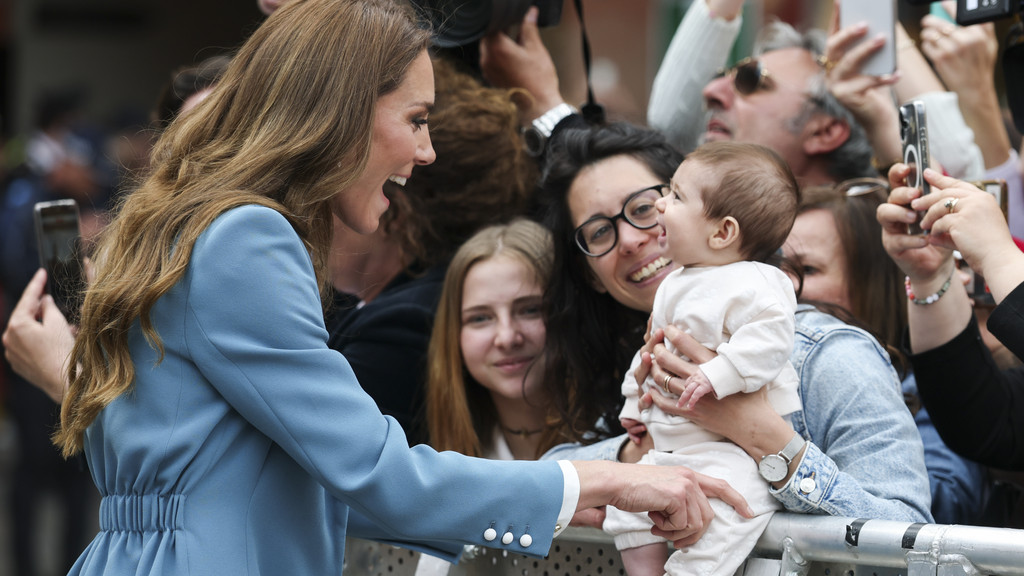
It’s all about perception, isn’t it? A royal visit isn’t about state secrets; it’s about reassurance. It’s about showing up. And this time, she really showed up. Her re-emergence felt less like a celebrity appearance and more like a carefully managed state visit, absent the usual hard-nosed bargaining. Crowds gathered, naturally. People always do for a royal. But these aren’t just fans; they’re the backdrop for a message: Britain’s global connections, its historical weight, its persistent—and occasionally baffling—appeal, remains.
A senior official within the British Foreign, Commonwealth, and Development Office, speaking off the record (but with a perfectly crisp, upper-crust accent), put it rather bluntly: "Her Royal Highness embodies a bridge, don’t you think? That warmth, it’s something diplomacy budgets can’t quite replicate. You send out envoys, sure, but a wave from a future queen? That’s golden." His words, dripping with a practiced ease, spoke volumes about the enduring—and largely unsung—role of the monarchy in the UK’s global ambitions.
Because let’s face it, nations like Britain don’t just exist; they’re performed. These appearances are theatrical spectacles designed to project stability and continuity, particularly in a world that feels increasingly unstable. This applies not just to traditional European partners but also to nations further afield. Think about Pakistan, a major Commonwealth member, where such tours, even in a distant European capital, resonate as symbolic gestures. The monarchy’s reach, while not governmental, influences public perception and soft power across continents—sometimes to the annoyance of actual government officials, who’d probably prefer a quieter, less glittery approach.
And the Italians, ever appreciative of a grand spectacle, played their part perfectly. Mayor Roberto Fuso of a picturesque Tuscan town, which (naturally) hosted a segment of the royal progress, couldn’t have been more effusive. "This visit? It’s a sunshine payment for our tourism industry. People come, they spend, they remember centuries of shared history," he declared, beaming. "Who can argue with that?" And honestly, he’s got a point. Tourism data from the Italian National Institute of Statistics shows British visitor numbers surged by nearly 12% in the last quarter alone, certainly not solely due to royal visits, but they surely don’t hurt.
📄 POLICY WIRE WHITEPAPER PUBLISHED: PAKISTAN'S NATIONAL SECURITY POLICY PRIORITIES
👉 READ BY CLICKING HEREBut the calculus goes beyond tourism. This trip, coming on the heels of the Princess’s period of public quiet, offered a fresh narrative for a monarchy perpetually battling headlines—from internal dramas to debates over its contemporary relevance. It allowed for a shift from internal perception management to external reaffirmation. It was an exercise in rebranding, for both the individual and the institution, projecting an image of resilience and steady purpose. No small feat in a news cycle that prefers sensation to subtlety. (Or at least that’s what my editors keep telling me.)
What This Means
Catherine’s Italian excursion, cloaked in pleasantries and protocol, was a textbook example of soft power projection in action. For Britain, it was a timely reminder of its enduring cultural footprint and a quiet reinforcement of alliances post-Brexit. Economically, these visits grease the wheels of commerce, fostering tourism and trade connections by generating positive sentiment. They’re like diplomatic billboards, advertising goodwill. Politically, they distract, delight, — and subtly suggest stability in a world seemingly addicted to chaos. The narrative spun here—resilience, tradition, unity—is precisely the one Westminster wants broadcasting globally. In a sense, the UK is leveraging its history and ceremonial capital to bolster its contemporary diplomatic aims, a strategy that often works better than direct government initiatives, particularly in regions like South Asia or the broader Muslim world, where such traditional symbols still command respect, or at least curiosity. For context on other nuanced diplomatic dances, you might consider the issues around British citizens caught in Tehran’s diplomatic web, highlighting the complexities that no royal visit can quite smooth over. It’s all part of the big game. Even as parliaments wrangle over budgets and policies, the British Crown continues to play a subtle, yet effective, long game of influence across the globe. You can’t put a price on that kind of historical weight, can you?