

Hanoi’s High Stakes Gamble: Vietnam Opens Skies to Foreign Cash, Re-aligns Regional Power Play
POLICY WIRE — Hanoi, Vietnam — Forget the glittering tourist brochures, the verdant rice paddies. Vietnam, that once-isolated Southeast Asian dynamo, is facing a far grittier reality: its ambitious...

POLICY WIRE — Hanoi, Vietnam — Forget the glittering tourist brochures, the verdant rice paddies. Vietnam, that once-isolated Southeast Asian dynamo, is facing a far grittier reality: its ambitious aviation sector, vital for national growth and image, is ravenous for cash. And Hanoi, in a move that’s quietly reshaping its long-standing economic dogma, is ready to open the vault door a little wider to foreign pockets.
It’s not just about flights; it’s about statecraft, plain — and simple. This isn’t some benign invitation to join the party; it’s a cold, hard strategic pivot, driven by a post-pandemic world where domestic balance sheets are tighter than a drum. The proposed increase in the foreign ownership cap for its airlines, previously sitting at a cautious 34 percent, signals an acknowledgement: local money just isn’t enough. And, frankly, it never was. They’ve flirted with controlled liberalization for decades. Now, the flirtation’s gotten serious.
The Ministry of Transport’s latest proposals, whispered through official channels before public declaration, aim to sweeten the deal for overseas investors. Why? Because you can’t run an airline — particularly not a modern, expanding fleet aiming to rival regional titans like Singapore Airlines or Qatar Airways — on sentiment alone. It takes capital, mountains of it, — and managerial know-how. But there’s always a catch, isn’t there? Foreign ownership isn’t just about shares; it’s about influence. And that’s what this fiercely independent nation has historically guarded with almost religious zeal.
“We’ve reached a point,” stated Deputy Minister of Transport, Nguyen Dinh Khang, in a recent briefing (Policy Wire understands from sources close to the negotiations), “where economic growth necessitates greater external partnerships. We welcome the fresh perspective, the cutting-edge technology, and yes, the significant investment that comes with increased foreign equity. It’s a necessary evolution for our market.” Khang, a pragmatist known for his shrewd appraisals, isn’t known for throwing open the gates without careful consideration. So, this decision has been meticulously gamed out.
But not everyone’s thrilled. State-owned carriers, long accustomed to their comfortable perch, might find the altitude getting a bit dizzying. Private Vietnamese operators, too, are eyeing the horizon with a mix of anticipation — and apprehension. You don’t invite sharks into the pool without expecting a bit of commotion. And foreign investors, after years of navigating Hanoi’s byzantine bureaucracy, are understandably cautious, even as they eye a market that boasted a nearly 20% annual growth rate pre-COVID. For instance, foreign direct investment into Vietnam reached a robust US$18.1 billion in 2022, according to the Ministry of Planning and Investment, but aviation-specific FDI has often lagged due to ownership restrictions.
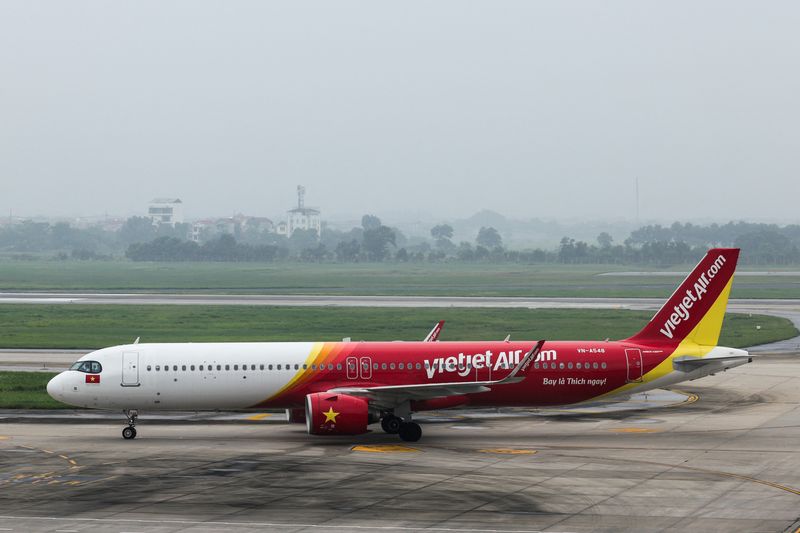
“This policy adjustment is critical for our long-term competitiveness,” said Le Huong Loan, CEO of VietJet Air, in a statement to regional press. “It’s about allowing us to access deeper capital pools, procure better aircraft, and compete on an even footing with regional heavyweights. We simply can’t fund the kind of expansion needed to service Vietnam’s burgeoning tourism and business sectors on local markets alone.” She’s right; you don’t grow without fresh blood.
Because, ultimately, this isn’t just about Vietnam. It’s a regional chess match. Countries across Southeast Asia and even into the wider Muslim world—think Malaysia, Indonesia, even Pakistan’s flirtations with privatizing PIA—are grappling with similar quandaries. How do you modernize without surrendering sovereignty? How do you attract investment without becoming a mere economic outpost? Hanoi’s answer, for now, appears to be a calculated step back from stringent control, banking on its sheer economic momentum to absorb and direct foreign influence, rather than be swamped by it. They’re convinced they can manage the wild horses.
📄 POLICY WIRE WHITEPAPER PUBLISHED: PAKISTAN'S NATIONAL SECURITY POLICY PRIORITIES
👉 READ BY CLICKING HEREAnd it’s a tightrope walk. Other nations are watching. Every ripple in Hanoi echoes, influencing capital flows — and policy decisions from Jakarta to Karachi. It shows a growing pragmatism across the developing world, a willingness to shed old dogmas for economic reality. After all, nobody flies on ideology.
What This Means
The implications of Hanoi’s move are substantial, reverberating both politically — and economically. Politically, this signals a deepening commitment to market reforms, albeit under watchful party guidance. It’s a pragmatic nod to global capitalism’s demands, acknowledging that rapid economic development often outstrips domestic capital formation. It also suggests confidence: Hanoi believes it can control the influx of foreign capital and expertise without losing strategic control over a sector as vital as air transport. This isn’t full deregulation; it’s controlled liberalization. The old guard might grumble, but the economic necessity appears to have won out.
Economically, expect an immediate surge of interest from international carriers — and investment funds. More foreign equity means better-capitalized airlines, translating into potential fleet modernization, expansion of routes – particularly long-haul services – and enhanced operational efficiencies. For consumers, this could mean more competitive fares — and better service. For domestic airlines, however, it means intense competition, potentially forcing consolidation or pushing less agile players to the wall. It also paves the way for deeper integration into global aviation networks, bolstering Vietnam’s already considerable appeal as a tourism and manufacturing hub. But for the government, it’s a delicate balance. They’re chasing growth, certainly, but they’re not quite ready to let go of the reins entirely. See Aotearoa’s Austerity for another take on national economic strategies.
this isn’t merely about airplanes; it’s about signaling to the wider investment community. When a nation like Vietnam, known for its strategic prudence, loosens controls in a sensitive sector, it communicates a broader openness to foreign capital. It suggests that even the most carefully guarded national assets are now on the table for shared ownership, provided the terms are right. The challenge will be managing the inevitable jockeying for position that follows. This will be an interesting show. Meanwhile, closer to home, nations like Lebanon—facing their own profound challenges, economic and political—watch such developments, perhaps considering similar paths. You can read more about those tensions at Beirut Holds Its Breath.