

Altitude’s Reckoning: Nepal’s Peak Obsession, Lives Lost, and the Looming Cloud
POLICY WIRE — Kathmandu, Nepal — There’s a particular kind of madness, isn’t there, that drives perfectly sensible people—or at least, seemingly sensible people—to hurl themselves at the...

POLICY WIRE — Kathmandu, Nepal — There’s a particular kind of madness, isn’t there, that drives perfectly sensible people—or at least, seemingly sensible people—to hurl themselves at the planet’s highest, most brutal frozen pinnacles. It’s a primal urge, perhaps. Or maybe, just maybe, it’s plain old capitalism, bundled in a parka — and sporting a satellite phone. Whatever it’s, the Himalaya’s spring climbing season has begun its annual ritual of life, death, and high-stakes tourism. And it’s not just a statistic.
It’s barely April, but the high-altitude lottery already holds its grim winners. First, it was Shelley Johannesen, a 53-year-old American — and a seasoned co-founder of a US-based outfitter. She was snatched from Makalu’s flanks by an avalanche during her descent from the world’s fifth-highest peak. Just days earlier, David Roubinek, a 38-year-old Czech, met his end, alongside three unsung Nepali guides whose names barely register in the global press beyond a numerical tally. Four people, in quick succession. Four lives snuffed out. And we’re not even talking Everest yet.
Because that’s the real story, isn’t it? Beyond the individual tragedies, it’s about the machine—the enormous, money-spinning enterprise that draws thousands each year, fueled by adventure narratives and, let’s be honest, often ill-advised ego. Nepal, perched on the spine of Asia, banks heavily on this brutal fascination. It’s an economy that runs on adrenaline, oxygen, and very real danger, a tightrope walk between breathtaking views and sheer terror. These deaths aren’t isolated incidents; they’re the harsh reality stitched into the fabric of the climbing calendar, a cost of doing business in Earth’s extreme environment.
“We mourn every loss, of course. Each climber, each guide, they leave behind families and dreams,” said Maya Sherpa, Undersecretary for Mountain Tourism at Nepal’s Ministry of Tourism, her voice tinged with the familiar lament. “But these are the mountains. They’re a place of extraordinary challenge — and unparalleled beauty. We work constantly to ensure safety, to improve regulations, but the peaks—they demand ultimate respect. No government can guarantee perfect safety where the weather can change in an hour and avalanches sleep in the snow.” She’s right, partly. But you can’t help but wonder about the pressures.
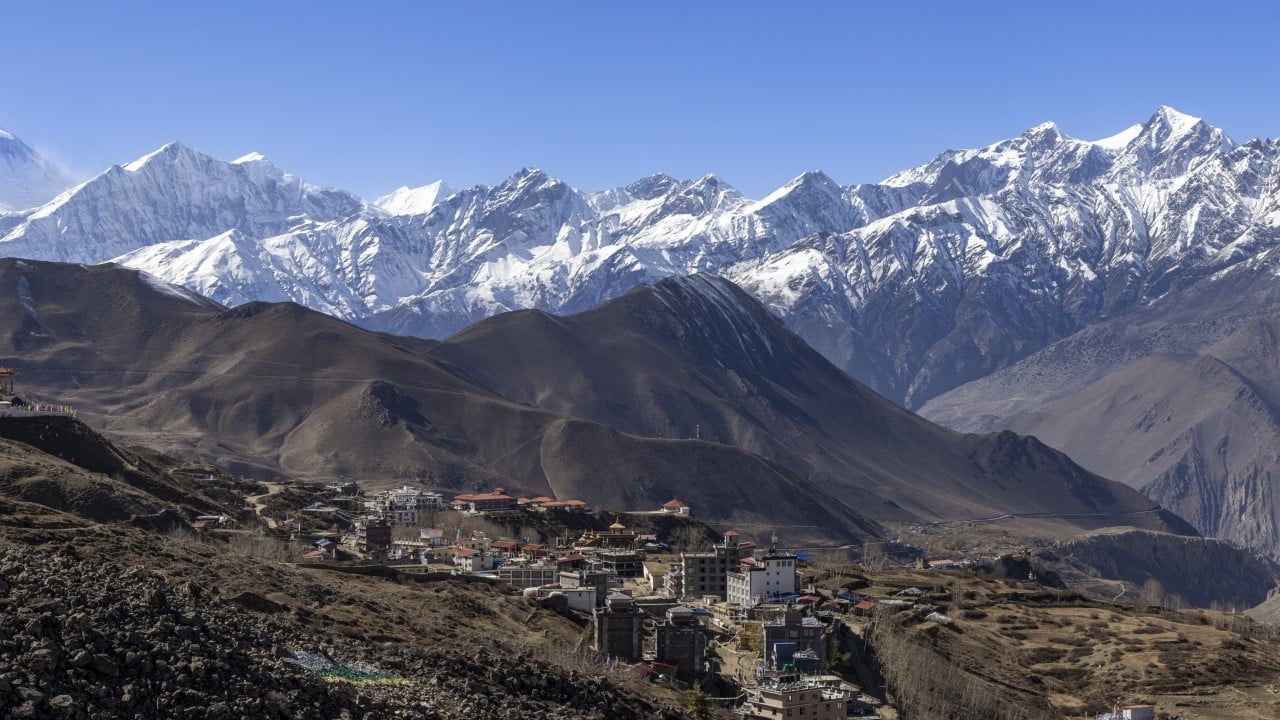
The allure extends far beyond just Nepal’s immediate borders, reaching across the entire Himalayan range. Neighboring countries like Pakistan also host their share of iconic 8,000-meter giants—K2, Nanga Parbat, Broad Peak—and attract a similar cadre of international thrill-seekers. The same unforgiving climate, the same commercial dynamics, the same silent tolls. The entire South Asian region’s highest peaks, a natural barrier and cultural crossroads for millennia, are now high-stakes playgrounds.
And it’s a rapidly growing business. Last year alone, Nepal issued over 1,700 climbing permits for peaks exceeding 6,500 meters, according to data from its Department of Tourism, a staggering increase from pre-pandemic levels. The queue for Everest summit photos is, at times, a real concern. But then, as veteran expedition leader Pasang Nuru Sherpa observed, wiping his weathered brow, “The mountains, they don’t care about your dreams or your money. They don’t know who’s famous or who’s rich. When the mountain calls, it calls everyone the same way. It gives, and it takes. My father died on Everest. My uncle died on Lhotse. It’s how it’s for us.” There’s a raw resignation in his tone you don’t hear often from ministry officials. It’s the voice of someone living the high-altitude gamble, day in — and day out.
What This Means
These early-season fatalities on Makalu and other high peaks aren’t just tragic headlines; they underscore a deeper geopolitical and economic reality for Nepal. The climbing industry is a golden goose, laying millions in foreign currency and sustaining entire communities of Sherpas, porters, and lodge owners. But every death, particularly those of Western climbers, puts a spotlight on the industry’s ethical dimensions and safety standards. There’s a constant tightrope walk for Kathmandu: maximizing revenue without compromising its international reputation as a responsible guardian of these natural wonders. Too many deaths, — and the flow of permit fees might just start to ebb.
The situation also hints at the broader environmental challenges gripping the region. Glacier melt and increasingly unpredictable weather patterns, driven by climate change, are making already perilous routes even more dangerous, contributing to unstable icefalls and sudden avalanches like the one that claimed Johannesen. Because the economic implications are huge, they’re always going to push that envelope. And for the hundreds of Sherpas and high-altitude workers, this isn’t just sport; it’s the livelihood that feeds their families, often with little recourse when disaster strikes, further entrenching the risk.
as competition among expedition companies heats up, corners might get cut, experience levels for clients might dip, and the overall margin for error shrinks to nothing. It’s a system, like a precariously balanced stone tower, always threatening to tumble with the slightest tremor. The question isn’t just if more people will die; it’s how much loss will it take before the world’s most dramatic natural playground changes its rules. And who, then, gets to write them?