


The Global Squeeze: How Oil Shortages Are Dimming Even Your Favorite Snack Bag’s Hue
POLICY WIRE — Washington D.C., USA — It’s a subtle shift, almost imperceptible to the average eye. But next time you grab a bag of those brightly colored chips or candy, take a good, hard look. That...

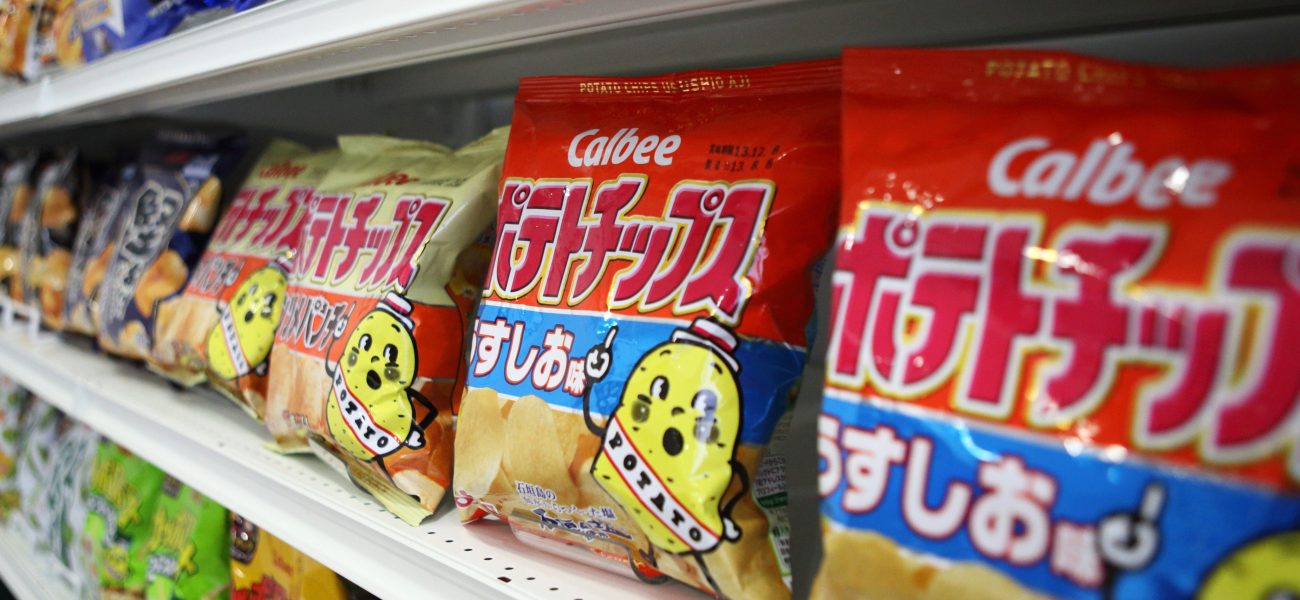
POLICY WIRE — Washington D.C., USA — It’s a subtle shift, almost imperceptible to the average eye. But next time you grab a bag of those brightly colored chips or candy, take a good, hard look. That vibrant packaging—the one that screams ‘buy me’ from a supermarket shelf—is getting duller. Literally. And it’s not because manufacturers are suddenly less artistic. It’s petroleum. Or rather, the lack of it, — and the prohibitive cost of what little there’s.
Because, you see, the global energy crunch isn’t just about what you pump into your car or how much you pay to heat your home. It’s a systemic poison creeping into every corner of modern manufacturing, even the seemingly mundane realm of plastic packaging and the dyes that give it its signature pop. We’re talking polymers, folks. The stuff almost everything’s made from now. It’s derived from oil, — and when crude prices go parabolic, everything down the chemical chain goes with it. The colorful, disposable world we’ve built, piece by plastic piece, is cracking under the weight of geopolitical whims and finite resources. It’s really something, isn’t it? The sheer audacity of it all, that a world powered by black gold could be so vulnerable.
“We’re not just grappling with volatile fuel prices; the invisible costs, embedded in every imported plastic granule, are far more insidious,” stated Dr. Tariq Mirza, Pakistan’s Deputy Minister for Trade, speaking recently at an industry conference in Islamabad. “Our manufacturers—from textile to food packaging—are feeling the squeeze on raw materials, and that trickles right down to the man on the street. It threatens jobs, it stifles innovation, and it frankly, makes life a whole lot harder for everyone trying to just put food on the table.” Pakistan, heavily reliant on imported crude and refined products, finds itself in an especially tight spot. Energy insecurity, coupled with currency depreciation, paints a grim picture for businesses both big and small trying to meet consumer demand.
And it’s not some abstract financial phenomenon confined to spreadsheets in New York or London. This is a ground-level, factory-floor headache. The complex hydrocarbons used in pigments and advanced polymers—the very things that make packaging durable and eye-catching—are simply becoming too expensive for many firms to justify. They’re cutting back. Choosing cheaper, less vibrant alternatives. Sometimes, they’re choosing nothing at all, leaving goods unceremoniously wrapped, or worse, entirely unproduced. Global petrochemical feedstock costs, heavily reliant on crude oil, have climbed an average of 18% over the past six months, according to a recent World Bank analysis, straining manufacturing budgets from Shanghai to Karachi.
“It’s an interconnected mess, really. When upstream feedstock prices jump like they’ve, every single industry that relies on polymer derivatives—from medical supplies to snack food—feels the tremor,” explained Dr. Alistair Finch, an economic analyst at the Geneva-based Global Supply Chain Institute. “Businesses can only absorb so much of that overhead before they pass it on to consumers. Or, — and this is the harsher truth, before they just cease production for specific product lines entirely. The whole system’s interconnected, see?” His voice carried the familiar, world-weary resignation of someone who’d seen this movie too many times.
📄 POLICY WIRE WHITEPAPER PUBLISHED: PAKISTAN'S NATIONAL SECURITY POLICY PRIORITIES
👉 READ BY CLICKING HEREBecause this isn’t just about aesthetics or branding. This is about food security. It’s about pharmaceuticals. Plastic packaging guards perishables, extends shelf life, prevents contamination. If its production costs become prohibitive, what then? Consumers, particularly in emerging economies across the Muslim world and South Asia, already dealing with raging inflation and stretched budgets, will confront not just higher prices but potentially fewer options, or even damaged goods. Imagine trying to run a bustling street stall in Lahore or Dhaka, needing to package fresh goods for sale, only to find the raw materials for those humble plastic bags are now double the price they were last year. That’s a real challenge.
What This Means
The geopolitical squabbles, the distant resource grabs, they don’t stay distant. They cascade down, hitting everyone from corporate behemoths to the guy selling nuts from a cart. Politically, this portends increased consumer discontent, especially in regions already prone to economic instability. Governments face a double-edged sword: either subsidize struggling industries—a financial drain—or face public outrage over price hikes and product shortages. Economically, we’re witnessing a recalibration, a forcing function demanding industries rethink their deep dependence on cheap, readily available petroleum-based products. There’s an inevitable shift towards alternative materials, but those transitions aren’t quick. And, no surprise, they aren’t cheap. Meanwhile, the short-term future holds only muted colors — and higher costs for your average Friday night indulgence. Policy-wise, expect more strategic stockpiling, more desperate pushes for domestic energy production, and renewed attention to sustainable material innovation—though progress often seems glacial in this climate. The bright, shiny world of infinite consumer choices, ironically, might just be losing some of its sheen.