

The Democrats’ Elephant in the Room: Booker Demands ‘Autopsy’ on Harris’s Failed Primary Bid
POLICY WIRE — Washington, D.C. — It’s a debate no one in power truly relishes, the uncomfortable glance in the rearview mirror when the path ahead looks pretty jagged. But New Jersey Senator Cory...

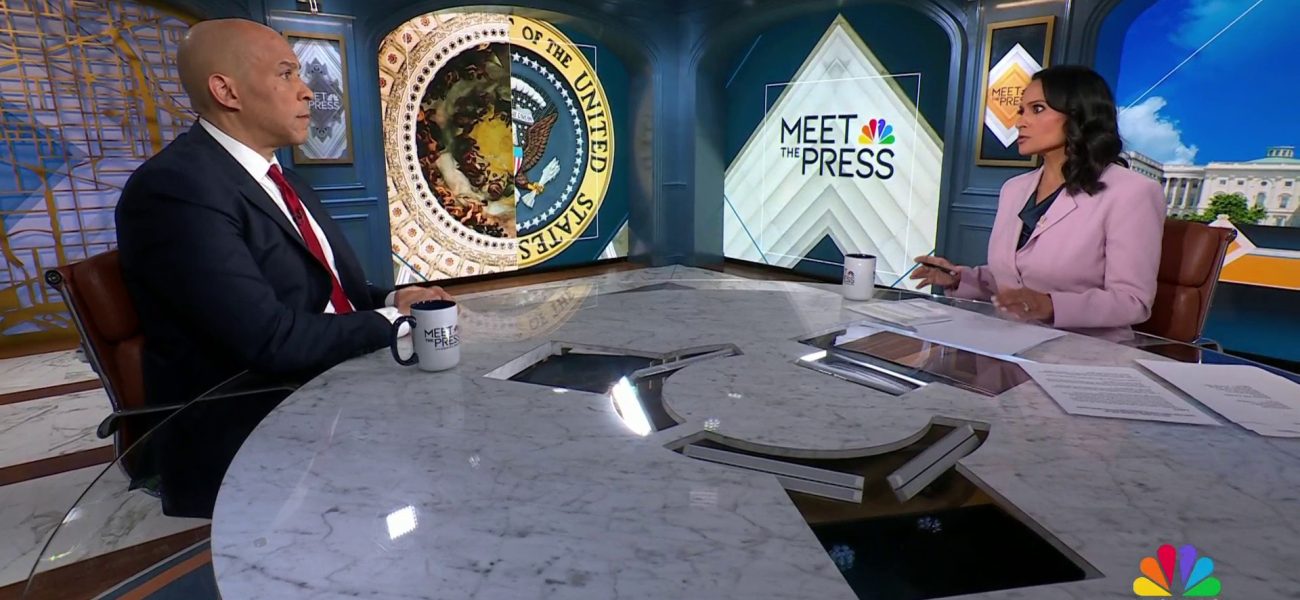
POLICY WIRE — Washington, D.C. — It’s a debate no one in power truly relishes, the uncomfortable glance in the rearview mirror when the path ahead looks pretty jagged. But New Jersey Senator Cory Booker, never one to shy from an honest assessment, has thrown down a gauntlet that’s making some top-tier Democrats sweat: He’s openly calling for the party to conduct a full, unvarnished “autopsy” on Kamala Harris’s deeply troubled — and ultimately doomed — 2020 presidential primary campaign. It’s an inconvenient demand, pointing to the often-ignored debris of political ambition and forcing a conversation that many would prefer stay buried.
Booker’s comments rip open a wound that’s never quite healed for the Democratic establishment. His frankness isn’t just about scoring internal points; it’s a strategic plea. He sees the need for deep, systematic introspection if the party’s gonna avoid repeating past mistakes. And let’s be honest, those past mistakes, particularly surrounding campaigns that don’t quite take flight, they tend to pile up. The stakes are just too high to gloss over tactical blunders and messaging missteps when the Republican machine seems to learn from every loss.
Harris, then a senator from California, entered the primary race with significant hype, positioned by many as a formidable contender for the nomination. She had a strong prosecutorial background, charisma, and a fundraising apparatus that, initially anyway, seemed promising. But her campaign soon found itself in a muddled messaging bog—a consistent narrative eluded her team, and her positions on key issues, especially her past record as a prosecutor, struggled to resonate with the progressive base she needed to energize. Poll numbers tanked, her campaign staff wrestled publicly (which never bodes well), and funds dried up, ultimately forcing her exit in December 2019, months before the Iowa caucuses. A November 2019 Quinnipiac poll, for example, showed her national support had cratered to a mere 3%, a stark drop from her double-digit peaks just months earlier.
“Look, we’ve gotta be brutally honest with ourselves, haven’t we?” Booker reportedly stated, leaning into the urgency of his argument. “If we’re not examining every piece of what went wrong, every campaign hiccup and every misplaced message, we’re setting ourselves up to trip again. The party needs to face the cold facts—that’s how we actually learn and get better, not by pretending the struggles didn’t happen.” It’s a sentiment that whispers through the halls of party strategists, a quiet consensus that sometimes takes a brave voice to utter publicly.
But the very mention of such a post-mortem immediately puts Vice President Harris — who, by any metric, stands a chance of leading the party in the future — in a tough spot. She’s maintained a stoic posture on her primary bid, focusing instead on her current responsibilities. “My focus has always been on the people and the principles we fight for,” a close aide, speaking on condition of anonymity, relayed as her current disposition. “Campaigns are tough, bruising things. But the resolve to keep fighting for justice — and equality? That remains unshaken. What matters now is uniting and pushing forward, not just looking backward.” That’s the tightrope she’s walking, a classic political maneuver — don’t let the past weigh down the present opportunity.
📄 POLICY WIRE WHITEPAPER PUBLISHED: PAKISTAN'S NATIONAL SECURITY POLICY PRIORITIES
👉 READ BY CLICKING HEREAnd yet, this isn’t just an American political squabble. Internal bickering within America’s major parties, as we see play out across media landscapes even in places like Pakistan and other South Asian nations, isn’t just navel-gazing. It signals something broader, doesn’t it? Because these discussions affect how Washington ultimately approaches foreign policy, trade deals, and even humanitarian aid — critical concerns for developing economies. A fractious domestic front can be interpreted as a weakening hand on the international stage, potentially affecting global stability. Much like other political volcanoes erupting overseas, this Democratic discomfort speaks to a foundational stress within the party.
What This Means
Booker’s call, however uncomfortable, points to a deeper malaise within the Democratic Party. It’s not simply about Harris; it’s about institutional memory — and self-correction. Economically, this implies a lack of clear direction could scare away big donors, those folks who bet on perceived winners. Politically, a failure to learn from primary failures could hobble future nominees, especially if the electorate continues to polarize. If the party can’t coalesce behind a candidate and message in its own internal contests, how can it expect to convince a skeptical nation? The internal Democratic struggle isn’t merely an academic exercise; it has real-world consequences, both at home in terms of policy effectiveness and abroad in how America is perceived by allies and rivals alike. It’s about maintaining credibility and the capacity to govern effectively—and perhaps more critically, to win elections when the chips are truly down. They’ve gotta get it right. But that often requires some rather painful soul-searching.