

After the Blood: UFC’s Late-Night Media Circus and the Brutal Economics of Spectacle
POLICY WIRE — NEWARK, NEW JERSEY — As the witching hour crept closer to 1 AM on May 7, 2026, long after the last furious punch had landed and the final drop of sweat had dried, the Prudential Center...

POLICY WIRE — NEWARK, NEW JERSEY — As the witching hour crept closer to 1 AM on May 7, 2026, long after the last furious punch had landed and the final drop of sweat had dried, the Prudential Center in Newark hummed not with the roar of a bloodthirsty crowd, but with the weary hum of air conditioning units. It was here, in the quiet after the storm, that the true spectacle of UFC 328 was set to unfold—a stark, often bizarre, epilogue to sanctioned violence, meticulously orchestrated for the world’s screens. This wasn’t about martial arts anymore. This was about marketing, narratives, and the relentless, grinding machinery of a multi-billion-dollar enterprise that never truly sleeps. It just changes venues.
You see, the combat wasn’t over. Not really. The fighters, often battered and bruised—some ecstatic, others despondent—were simply trading one kind of public pummeling for another: the media scrum. This mandated performance, captured live and streamed globally (because, naturally, MMAFighting.com always wants to get a jump on things), is where reputations are forged, feuds are inflamed, and the market value of human aggression is openly negotiated. It’s a strange, late-night dance, where raw emotion often collides head-on with practiced corporate spin. Sometimes, you just want to go home, you know?
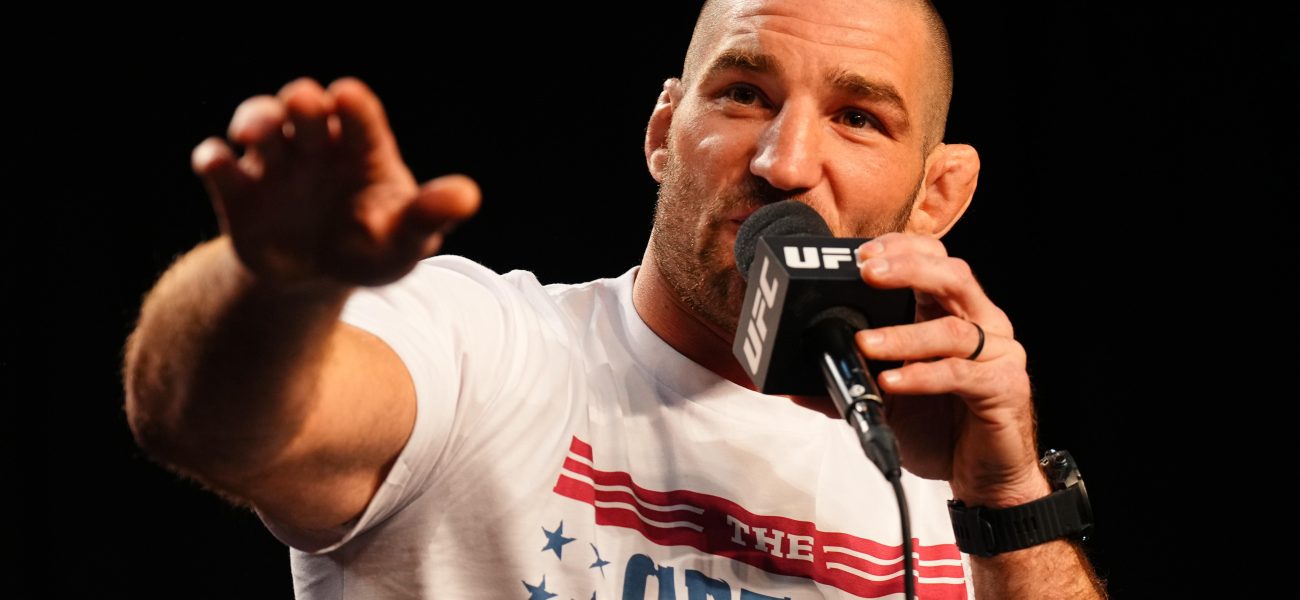
Sean Strickland, the notoriously outspoken middleweight, often finds himself at the nexus of this theatrical obligation. Pushed onto a stage to dissect a fight that just concluded mere minutes prior, often with a fresh contusion blossoming on his cheek, he embodies the uncomfortable reality. It isn’t just about winning or losing; it’s about what you say *after* you’ve won or lost. It’s about giving the content machine its daily — or rather, hourly — feed.
But the real ringmaster of this late-night circus, as always, is Dana White. The UFC President, an undeniable titan in the entertainment landscape, typically strides in around 1 a.m. ET, looking oddly energized despite the hours of high-tension carnage he’s just overseen. He’s the ultimate arbiter, the showman-in-chief, dictating the narrative, showering praise where deserved, and deflecting criticism with practiced ease. “Look, these guys fight their guts out,” White proclaimed, likely after awarding a “Fight of the Night” bonus to two gladiators who’d just pummeled each other senseless for a crowd. “They just put on a show for millions. You think they don’t deserve every damn cent? This ain’t ping-pong, folks. It’s the highest level of human combat, and the world pays to see it.” His voice, always a blend of bluster and conviction, cut through the tired questions, reiterating the organization’s core value proposition.
And he’s not wrong about the viewership. The spectacle of organized fighting has long captivated audiences from the coliseums of ancient Rome to the packed arenas of today. From Lahore to London, Jeddah to Jacksonville, these fights resonate. Because, culturally, the allure of primal conflict cuts across geopolitical lines, even in societies where such overt displays of violence might otherwise be culturally constrained or viewed differently. Many countries across the Muslim world, including Pakistan, are seeing a quiet but significant rise in local MMA circuits and a burgeoning interest in global events like UFC 328, sometimes challenging traditional conservative views on physical combat, often through the prism of athleticism and discipline. It’s a slow cultural shift, one punch at a time, showing how global entertainment transcends borders and sometimes, deeply ingrained social norms. The sheer economic force behind it certainly helps. After all, the UFC, once a niche sport, is now valued north of $12 billion, a testament to its massive global footprint and aggressive marketing.
“Another day, another paycheque,” Sean Strickland muttered into a microphone somewhere later that morning, probably wiping sweat off his brow. “It ain’t pretty, is it? You stand there, get punched, then you gotta smile for the cameras. This is the grind. Anyone says different, they ain’t livin’ it.” His blunt assessment, delivered with a fighter’s weary resignation, captures the often-unseen cost of participating in the grand show, the unspoken exhaustion of extending the performance long past its brutal athletic peak.
What This Means
This late-night media ritual isn’t just an afterthought; it’s a sophisticated, carefully calibrated instrument in the UFC’s broader economic strategy. For policy makers, it signals the expanding global reach of American entertainment and its soft power implications, even in unexpected cultural territories. The sheer volume of international viewership, particularly from rapidly growing markets in South Asia, highlights a lucrative, yet often under-analyzed, aspect of economic diplomacy. We’re talking about eyeballs, sure, but those eyeballs translate into revenue, sponsorship dollars, and cultural influence. From an economic perspective, the post-fight conference acts as a real-time investor call. Fighters, by discussing future matchups, health statuses, and perceived injustices, essentially re-value their stock, providing analysts and future bookmakers—and, crucially, fans—with the next data points for their predictions and wagers. It’s an information economy, pure and simple, fueling endless punditry and an ever-present appetite for more, more, more. But then, as it’s with all highly profitable ventures involving human endeavor, you always gotta wonder: what’s the real cost of putting on such a great show?