

Colombo’s Moral Reckoning: High Monk’s Arrest Rips Through Sri Lanka’s Venerable Fabric
POLICY WIRE — Colombo, Sri Lanka — The hallowed silence around Pallegama Hemarathana Thero’s reputation just snapped. Not with the chime of prayer bells, but the clatter of handcuffs. It...

POLICY WIRE — Colombo, Sri Lanka — The hallowed silence around Pallegama Hemarathana Thero’s reputation just snapped. Not with the chime of prayer bells, but the clatter of handcuffs. It wasn’t the venerable monk’s health issues (he was in a swanky Colombo private hospital, after all) that pushed him into the headlines, but something far uglier: an 11-year-old girl, an alleged atrocity, and the sacred spaces of a 2,000-year-old Buddhist temple turned, ostensibly, into a chamber of horrors. And so, a nation already reeling from economic collapse now grapples with a crisis of moral decay, playing out at its highest religious echelons.
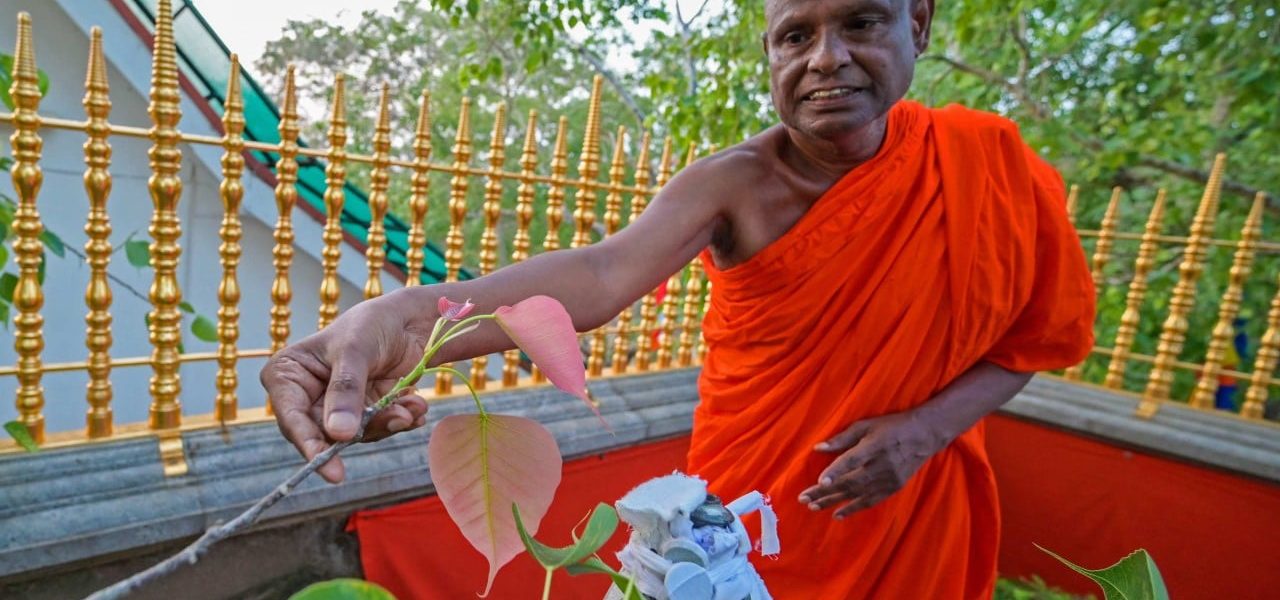
It’s always a shock, isn’t it? When the robes of spiritual authority fray, revealing something rotten beneath. Authorities in this South Asian island nation moved decisively last Saturday, hauling the 71-year-old cleric — a figure once held in high esteem in Anuradhapura’s ancient Mahamewuna Uyana temple, a site of profound historical and religious significance—on accusations of child sexual abuse dating back to 2022. But it’s not merely another grim entry on a police blotter. This arrest, by many accounts, rips through the very moral fabric of Sri Lanka, a country where the Sangha (Buddhist clergy) has long held a near-unquestionable sway, often acting as the state’s conscience, or its loudest critic.
The initial allegations, surfacing almost two years ago, reportedly centered on the alleged abuse of the young girl within the revered temple grounds. Details remain scant—understandably so, given the victim’s age and the sensitive nature of the accusations. But the slow-motion revelation, culminating in Hemarathana Thero’s very public apprehension, isn’t just about one man’s alleged transgression. It’s about systemic failure, institutional protection, and the deafening silence that can sometimes envelop deeply entrenched power structures. You don’t just ‘seek treatment’ at a private hospital amidst an ongoing police probe if you’re an average citizen; but then, the Sangha here is rarely ‘average citizens’.
“No one, regardless of their station or attire, is above the law in Sri Lanka. This government is committed to ensuring justice for all citizens, particularly the most vulnerable,” declared Justice Minister Wijeyadasa Rajapakshe, in a terse, official statement provided to Policy Wire. It’s a sentiment politicians always articulate, of course, particularly when the eyes of the public (and, frankly, international human rights monitors) are burning bright. Because, for many Sri Lankans, particularly in rural areas, religious leaders aren’t just spiritual guides; they’re confidantes, arbitrators, and community pillars. The erosion of that trust? It shakes foundations.
But the government, navigating its own rocky path to legitimacy after years of turmoil, can’t afford to be seen as soft on corruption—spiritual or otherwise. Sri Lanka’s human rights record, particularly concerning child protection, faces ongoing international scrutiny. And the police, often accused of selective justice, seem intent on demonstrating a new-found resolve here. Because the fallout from such cases isn’t contained to headlines; it breeds cynicism, stokes anger, and invites awkward questions about accountability across the board.
It’s an uncomfortable spotlight, not just for the Buddhist clergy but for all faith communities grappling with similar allegations globally. From Catholic priests in the West to Sufi pir-s in Pakistan or evangelical pastors in parts of Africa, the issue of clerical immunity—or perceived immunity—versus secular law is a recurring, painful refrain across diverse societies. “Such accusations, if proven, bring deep shame upon the Sangha — and betray the trust of millions,” lamented Ven. Dimbulkumbure Wimalasara Thero, a senior monk known for his calls for religious reform. “It’s a wound that requires profound introspection and immediate action from within our institutions, not just from external authorities.”
📄 POLICY WIRE WHITEPAPER PUBLISHED: PAKISTAN'S NATIONAL SECURITY POLICY PRIORITIES
👉 READ BY CLICKING HEREThe numbers don’t paint a rosy picture. Child abuse is a persistent, insidious problem here. According to UNICEF data, over 6,000 cases of child abuse were reported in Sri Lanka in 2021 alone, though experts widely agree actual numbers are far higher due to systemic underreporting, particularly in traditional or isolated communities. It’s a quiet epidemic, sometimes bursting into shocking visibility through cases just like this.
What This Means
The arrest of Pallegama Hemarathana Thero signals a profound tremor through Sri Lanka’s socio-political landscape. Politically, it’s a high-stakes gamble for President Ranil Wickremesinghe’s government, which needs to be seen upholding the rule of law without alienating powerful religious factions. Should the prosecution be perceived as swift and fair, it could bolster public trust in a justice system that’s taken more than a few knocks. Conversely, any perceived leniency—or, heaven forbid, interference—would plunge public confidence to new lows, potentially igniting protests from rights groups and an already frustrated populace. Economically, a scandal of this magnitude could subtly bruise the country’s struggling tourism sector, particularly ‘pilgrimage tourism’ which draws devout Buddhists from across Asia, including segments of its large South Asian diaspora.
But beyond the immediate political calculus, this event forces a uncomfortable societal mirror on Sri Lanka. It challenges the traditional reverence for religious institutions — and demands accountability. It opens uncomfortable conversations about child protection, power dynamics within spiritual hierarchies, and whether age-old traditions can (or should) offer sanctuary to those who allegedly break societal laws. Because when a monk, especially a ‘high’ monk, stands accused, it isn’t just one person on trial; it’s, in many ways, an entire belief system, pushing a deeply devout society to wrestle with its most uncomfortable truths. And those truths? They tend to linger, like smoke after a temple fire.