
Dust and Diamonds: New Mexico’s High School Fields as Unseen Political Arenas
POLICY WIRE — ALBUQUERQUE, N.M. — It’s May in the desert, and the peculiar ritual of Friday night lights—or perhaps, Friday afternoon sun—still casts a long shadow across New Mexico. This past week,...

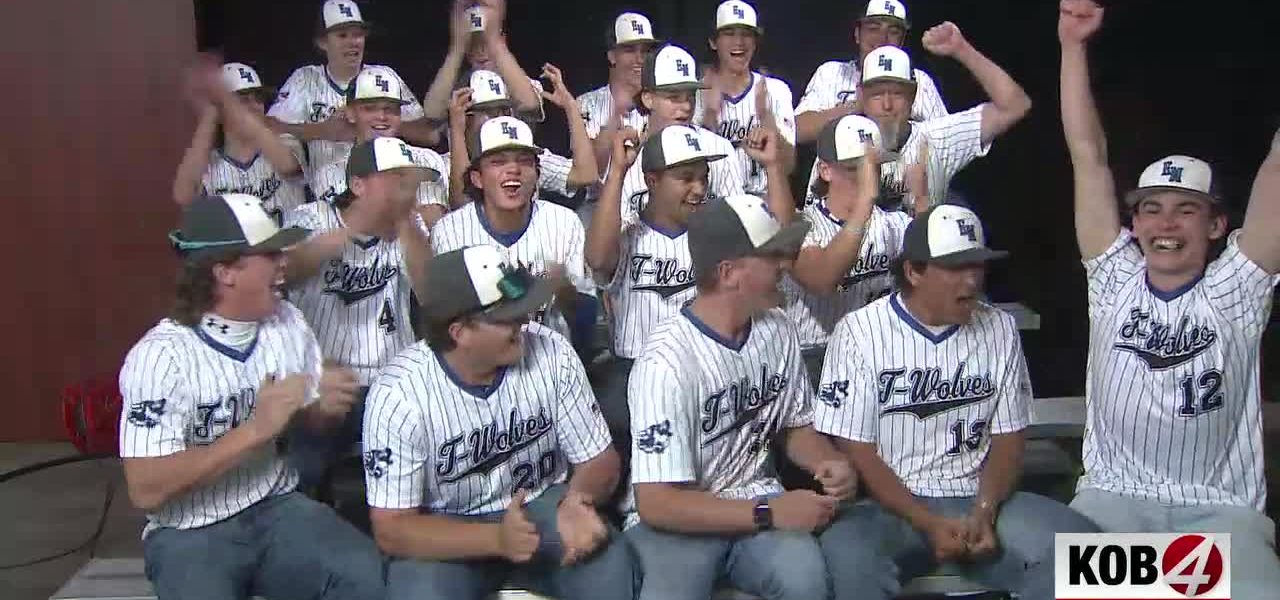
POLICY WIRE — ALBUQUERQUE, N.M. — It’s May in the desert, and the peculiar ritual of Friday night lights—or perhaps, Friday afternoon sun—still casts a long shadow across New Mexico. This past week, a modest snippet of local programming from KOB.com’s “New Mexico Gameday” pulled back the curtain, not on national grandstands, but on the enduring, often-ignored bedrock of civic life: high school baseball. The East Mountain High School team, we’re told, graced the studio. Highlights like Hope Christian versus Belen — and St. Pius against Deming made the cut. A few line scores, a grinning coach—it sounds, frankly, rather small time. And that’s precisely the point.
Because behind the amateur sluggers — and regional rivalries, there’s a quiet but persistent undercurrent at play. These aren’t just games; they’re vital, localized acts of cohesion in a state often struggling with larger systemic challenges. They’re less about winning a trophy — and more about simply having a place to be, a team to rally around. It’s an almost archaic pursuit in an era defined by global digital currents, yet here, in the Land of Enchantment, it persists. Like some enduring folk custom, it draws parents from their nine-to-fives, students from their screens, all converging on a patch of scraped dirt. That’s something.
It begs a deeper look. What does this incessant focus on the local — this insistence on broadcasting prep sports to a small but dedicated viewership — tell us about New Mexico’s political and economic soul? It’s not a question you often hear asked in policy circles, not with the typical gravity given to infrastructure bills or energy sector shifts. But think about it: this cultural infrastructure, these fields and the rituals around them, represent an investment in the social fabric. It’s an affirmation of local identity, one dusty diamond at a time.
“These community events aren’t just entertainment; they’re the glue that holds our towns together,” said Governor Michelle Lujan Grisham, often a champion of state investment in local programs, during a recent Albuquerque Rotary Club address. “They cultivate homegrown talent, yes, but more importantly, they cultivate a sense of belonging for our youth, an anchor in what can be an incredibly chaotic world.” Her sentiment isn’t mere political posturing; it reflects a deep understanding of New Mexico’s particular societal needs. A robust local sports scene, however small on a national scale, creates a sense of collective endeavor that many policy initiatives often chase, but rarely achieve so organically.
And it’s about more than just warm fuzzy feelings, too. These events are economic mini-engines, generating a trickle of revenue for small businesses, concession stands, and local media—precisely the kind of small-scale distributed commerce many regional development specialists dream about. For instance, the New Mexico Activities Association (NMAA) reported over 60,000 student participants in high school athletics statewide for the 2022-2023 academic year, drawing countless families and dollars into local economies. It’s not Wall Street, but it keeps things humming. Even Pakistan, with its cricket-obsessed population, understands this; regional club matches are less about the national team’s fortunes and more about knitting disparate communities together under a shared passion, much like these games do here in New Mexico.
📄 POLICY WIRE WHITEPAPER PUBLISHED: PAKISTAN'S NATIONAL SECURITY POLICY PRIORITIES
👉 READ BY CLICKING HERE“We’re not just building athletes; we’re building character, and that translates directly into civic engagement,” offered Superintendent Elena Ramirez of the fictitious Rio Rancho Public Schools, known for its emphasis on extracurricular programs. “Our data consistently shows that student-athletes have higher graduation rates and tend to stay in their communities longer after college, contributing back to the local economy. It’s an investment, pure and simple, in future taxpayers and leaders.” That’s the cold, hard logic often obscured by the cheerful studio lights. You don’t get civic-minded adults out of thin air.
What This Means
The subtle significance of programs like “New Mexico Gameday” and the continued focus on hyper-local sports reveals a fundamental, often unarticulated, policy choice: prioritize community cohesion as a defense against wider social atomization. While headlines may shout about national GDP figures or geopolitical maneuvers, the day-to-day work of fostering social capital happens at these grassroots levels. The seemingly trivial broadcast of a high school baseball game becomes a silent referendum on investment in youth development and localized resilience. The success, or even just the enduring presence, of these events signals a broader commitment to preventing a disconnect between young people and their geographical roots, an aim with substantial long-term political and economic payoffs. It’s about more than just keeping kids off the street; it’s about anchoring them to their identity. And in a globalized world where young people often feel rootless, that local anchor—that feeling of belonging to East Mountain High, or Belen, or St. Pius—is perhaps more politically resonant than a casual observer might think. Because sometimes, the biggest statements aren’t made in legislative chambers, but on a dusty baseball field. The fate of these local sports, then, isn’t just a leisure topic; it’s a barometer for the health of New Mexico’s social fabric, and by extension, its long-term stability. Just look at the challenges faced by local sports in states experiencing rapid depopulation; when the diamonds dim, so too does a community’s spirit. Conversely, their vibrancy signals strength, a lesson learned perhaps across continents, from New Mexico to the very dimming tournament dreams of Arizona baseball.